
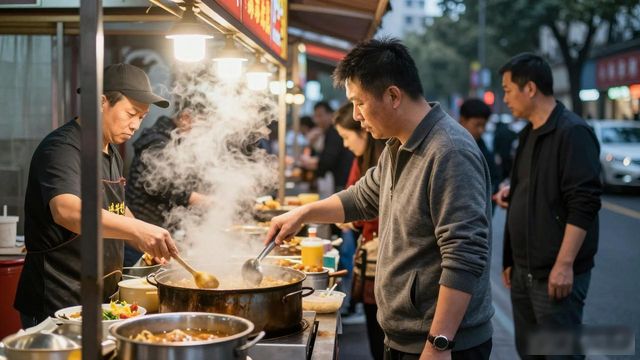
When people talk about Chinese street food, they’re not just talking about cheap eats—they’re talking about a living,breathing part of daily life in China. From sizzling skewers to steaming baskets, the streets are where you find the real flavors that don’t show up in fancy restaurants. You don’t need a guidebook to enjoy it, but knowing what to look for makes the whole experience better.
What makes Chinese street food so popular

It’s not just about the taste. Chinese street food works because it fits right into how people actually live. You’re walking home from work, you’re hungry, you stop at a cart, and within two minutes you’ve got something hot and satisfying in your hand. That convenience is hard to beat. But there’s more to it. Street vendors often specialize in one dish and they make it the same way every single day for years. That kind of repetition builds skill. The jianbing guy who’s been at the same corner for a decade knows exactly how crispy the crepe should be and how much sauce is just right. You can taste that experience.
Another thing is variety. Every city has its own street food culture. In Xi’an, you get lamb skewers rubbed with cumin and chili. In Chengdu, you find spicy cold noodles that make your nose run. In Shanghai, you grab sheng jian bao—pan-fried pork buns with a crispy bottom and a soupy inside. You don’t have to travel far to eat something completely different. That diversity keeps people coming back, because there’s always something new to try.
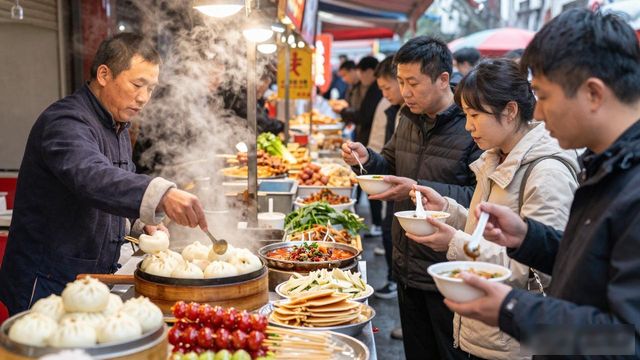
How to pick the best street food without getting sick
A lot of people worry about hygiene, and that’s fair. But the trick is not to avoid street food—it’s to pick the right stalls. Look for vendors who are busy. If there’s a line of locals waiting, that’s a good sign. It means the food is fresh and the turnover is high. Ingredients don’t sit around for hours when customers are buying constantly. Also pay attention to how the vendor handles the food. Are they wearing gloves? Is the oil in the wok clear and not dark and murky? Small details like that tell you a lot.
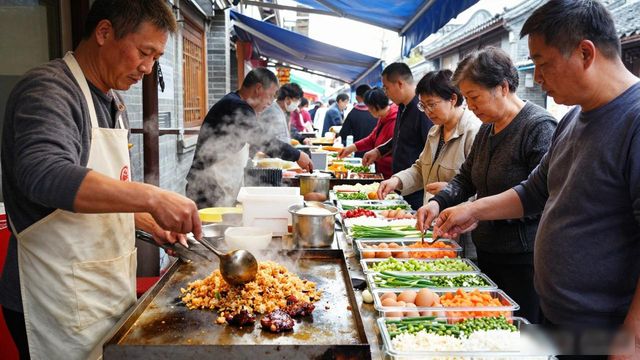
Another thing is to watch what the vendor is cooking. If you see raw meat sitting out in the sun, skip it. But if the meat is cooked right in front of you over high heat, that’s usually safe. High temperatures kill bacteria fast. Dishes like chuan’r (grilled meat skewers) or chao fen (fried rice noodles) are good choices because they’re cooked to order. Cold dishes like liang pi (cold noodles) are riskier if you’re not used to the local bacteria, but they’re still fine if the stall looks clean and the sauce is fresh.
You don’t need to be afraid. Millions of people eat Chinese street food every single day without issues. Use your eyes, trust your nose, and go where the locals go. That’s the real secret.