
Old town tea houses in China are more than just places to drink tea—they are living museums of culture, history, and slow living. Tucked inside ancient alleyways and courtyard buildings, these tea houses offer a rare glimpse into traditional Chinese society, where tea drinking is a ritual of connection and reflection. Having traveled through many preserved old towns like Lijiang, Pingyao, and Zhouzhuang,I’ve come to appreciate how these humble spaces preserve stories of the past while adapting to modern travelers. In this article, I’ll share what makes them special, how to find authentic ones, and what tea to order for a truly local experience.
What makes old town tea houses special

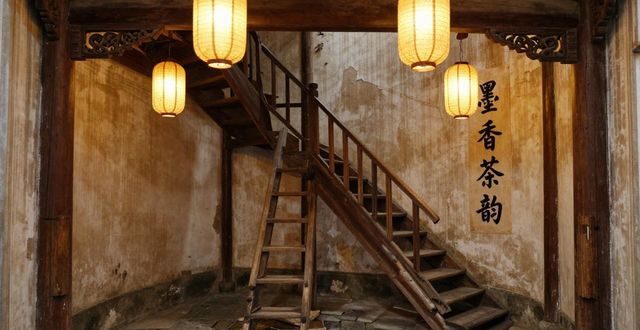
Stepping into an old town tea house feels like traveling back in time. The wooden beams, paper lanterns, and antique calligraphy on the walls create an atmosphere that no modern café can replicate. Many of these buildings are centuries old, with worn stone floors and creaking stairs that have hosted generations of locals and merchants. Unlike fast-paced city teashops, here you are encouraged to sit for hours, sip slowly, and watch the world go by. The charm lies in the details: the old man brewing tea with a clay pot, the faint smell of osmanthus flowers, and the soft sound of a pipa or erhu from a corner. These tea houses are social anchors where villagers gather to play mahjong, chat about daily news, or simply nap in bamboo chairs.
How to choose the best tea house in an old town
Not every tea house in a touristy old town is authentic. To avoid overpriced and mediocre experiences, look for places away from the main pedestrian street. The best tea houses are often hidden in side alleys or near small canals, with no flashy signs or touts outside. A good sign is seeing local elderly people sitting inside—they rarely waste money on tourist traps. Also, check if the tea house uses traditional clay or porcelain teaware rather than disposable cups. Ask to see their tea leaves before brewing; authentic shops will proudly show you whole leaves, not dust. Another tip: peek into the kitchen or storage area. If you see large metal canisters labeled with tea names and harvest years, you’re likely in a genuine place. Take your time to walk around and compare a few before settling down.
What tea should you order at an old town tea house
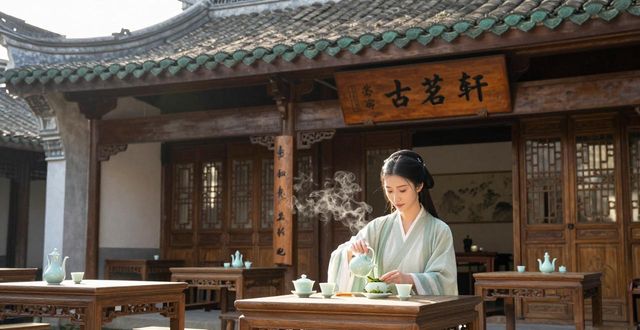
The tea you order greatly shapes your experience. In southern old towns like Lijiang or Dali, try Yunnan black tea (Dian Hong) or Pu’er, which are locally grown and have earthy, rich flavors. In Jiangnan water towns like Wuzhen or Xitang, go for green teas such as Longjing (Dragon Well) or Biluochun, known for their fresh, grassy notes. Some tea houses offer “covering bowl” (gaiwan) service, where you brew the leaves yourself with hot water refills—this is the most authentic way. Don’t be shy to ask the owner for recommendations based on the season. For example, in summer many locals drink white tea or jasmine tea to cool down, while in winter they prefer dark teas or aged Pu’er to warm the body. Avoid fruity “tea drinks” or bubble tea; they are modern inventions and have no place in a traditional old town setting.
Why you should take time to slow down in these tea houses
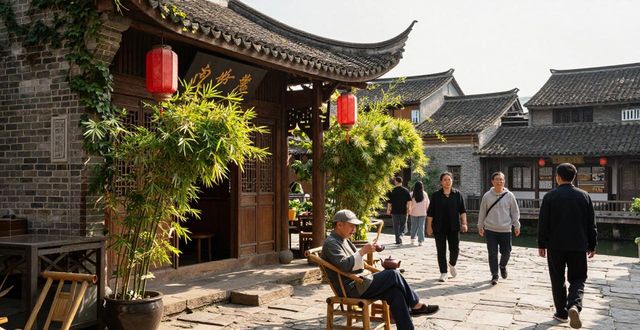
Many travelers rush through old towns, snapping photos and checking off sights, but they miss the true essence. A tea house invites you to do nothing—and that is everything. When you sit for an hour or two, you begin to notice small rhythms: the way sunlight moves across the courtyard, the call of a vendor selling candied hawthorn, the subtle shift in tea flavor from the first steep to the third. This slow pace is a form of cultural immersion that no guidebook can teach. I once spent an afternoon in a Pingyao tea house watching an elderly woman make paper cuttings while sipping Jinhao (Golden Tip) tea. She didn’t speak much Mandarin, but we shared smiles and tea refills. That memory is worth more than any souvenir. So put away your phone, order a pot of tea, and let the old town breathe around you.
Now I’d love to hear from you: Have you ever visited an old town tea house in China, and what made that experience unforgettable? Share your story in the comments below, and don’t forget to like and share this article with fellow tea lovers.