
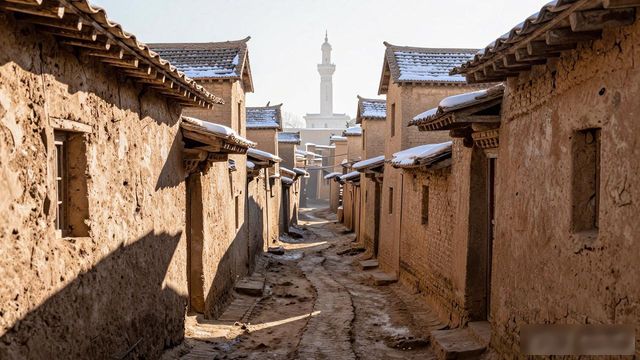
Kashgar, located in the far west of China’s Xinjiang region, is one of the most historically significant and culturally unique cities in the country. As a major stop on the ancient Silk Road, it has long been a meeting point for traders, travelers, and diverse ethnic groups. For foreign visitors, Kashgar offers an authentic glimpse into Uyghur culture, Islamic architecture, and Central Asian traditions that feel worlds apart from Beijing or Shanghai.
What makes Kashgar China a must-visit destination

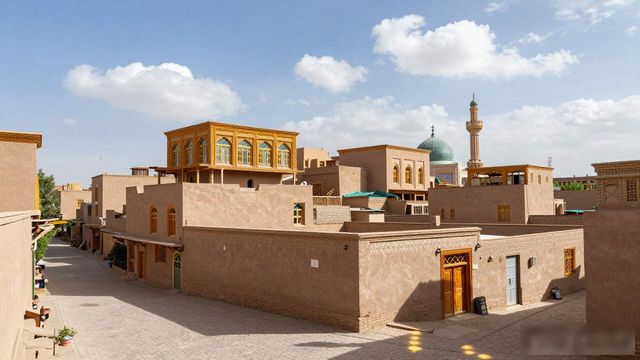
Kashgar is not your typical Chinese city. The old town, with its narrow alleys and mud-brick houses, feels more like somewhere in Uzbekistan or Iran. The Sunday Animal Market is one of the last remaining traditional livestock bazaars in Central Asia, where farmers trade camels, sheep, and donkeys under the open sky. It’s raw, chaotic, and unforgettable.
The Id Kah Mosque, the largest in China, sits at the heart of the old city. Non-Muslims are welcome to visit the courtyard and observe daily prayers from a respectful distance. Nearby, the Abakh Khoja Tomb offers a glimpse into the region’s Islamic heritage. These sites are not just tourist attractions—they are living places of worship and community life.
Food is another major draw. The night market near Id Kah Square comes alive after sunset with sizzling lamb kebabs, naan bread baked in clay ovens, and bowls of hot laghman noodles. Street vendors sell pomegranate juice and dried figs. English menus are rare, but pointing and smiling works fine. The flavors are bold, smoky, and deeply satisfying.
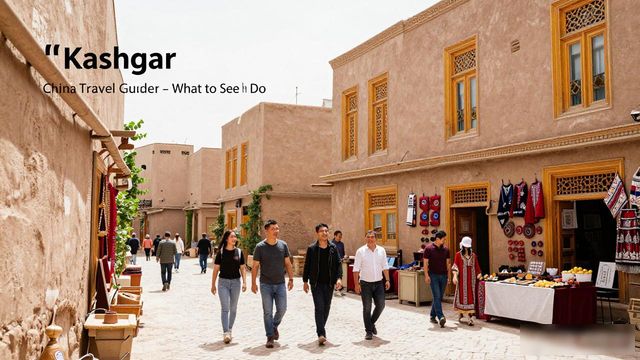
Is Kashgar China safe for foreign travelers
This is the most common question. The answer is yes,but with some practical caveats. Kashgar has a visible police presence, and you will pass through security checkpoints when entering the old town or major sites. This is normal for the region and does not mean danger. Most travelers report feeling welcome and safe during their stay.
Hotel registration requires extra paperwork for foreign guests, and some hotels may not have the license to host foreigners. It’s best to book through reputable platforms or contact hotels in advance. Make sure your Chinese visa covers Xinjiang, as some areas require additional permits. Check with your embassy before departure.
Language can be a barrier. Mandarin is not widely spoken in Kashgar’s older generation, and English is rare. Download offline translation apps and learn a few Uyghur greetings like “Essalamu alaykum.” Locals appreciate the effort. A smile and a nod can go a long way in bridging cultural gaps.
Kashgar rewards the curious and patient traveler. It is not a polished tourist destination, but that is precisely its charm. The city is raw, real, and rich with history. If you are looking for an experience far from the usual China itinerary, Kashgar delivers in ways few places can.