
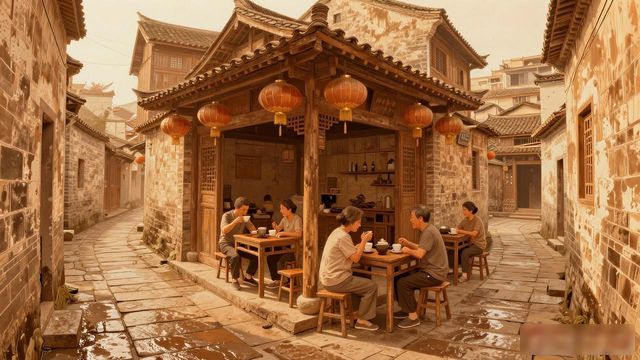
Chengdu is more than just a stopover for pandas and spicy food. It’s a city where ancient traditions breathe alongside modern life, where every street corner holds a story, and where travelers can dive into a cultural experience that feels both authentic and accessible. From teahouses to temples, from Sichuan opera to street art, Chengdu invites you to explore its soul, not just its sights.
What makes Chengdu unique for cultural travelers

Chengdu’s cultural identity is deeply rooted in the daily rhythms of its people. Unlike many Chinese cities that have traded old lanes for skyscrapers, Chengdu has managed to preserve a slower, more human pace. The city’s teahouses, tucked inside parks or hidden behind narrow alleys, are not tourist traps—they are living rooms where locals sip jasmine tea,play mahjong, and chat for hours. Sitting in one of these teahouses, like those at People’s Park, gives you a front-row seat to authentic Chengdu life.
The cultural scene here is also surprisingly diverse. Wuhou Shrine and Jinli Ancient Street offer a glimpse into the Three Kingdoms era, while the Dufu Thatched Cottage brings you closer to China’s greatest poet. But culture in Chengdu isn’t just about history. The city’s contemporary art district, such as the U37 Creative Warehouse and the Blue Roof Art Museum, shows a younger generation reinterpreting tradition through photography, graffiti, and installation art. This contrast between old and new makes Chengdu a layered destination for cultural explorers.
How to plan a cultural exploration trip in Chengdu
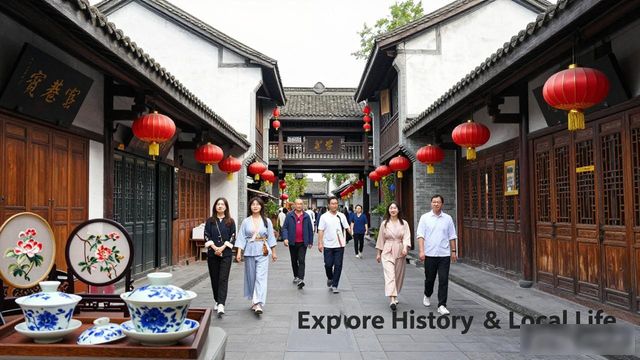
Start your journey in the old town. Spend a full morning at Wuhou Shrine, then walk through Jinli Ancient Street when it opens—before the crowds arrive. The street is lined with traditional architecture, local snacks, and handicraft shops. It’s not overly commercialized if you go early. After lunch, head to People’s Park for the afternoon. Don’t skip the Heming Teahouse. Order a cup of bamboo-leaf green tea and just sit. Watch the locals play chess, practice calligraphy on the ground with water, or dance in the square.
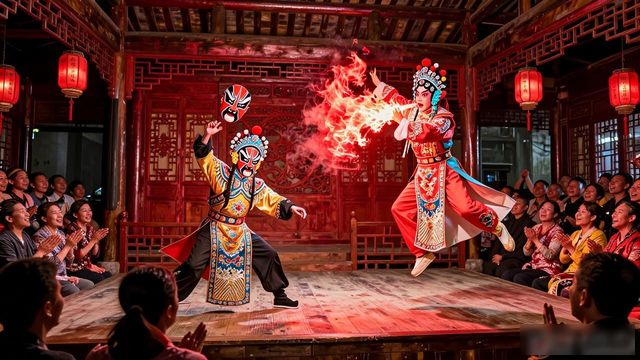
For a deeper cultural layer, book a Sichuan opera show at Shufeng Yayun Teahouse in the evening. The show includes face-changing, fire-spitting, and comedic sketches performed in the Sichuan dialect. It’s loud, raw, and unforgettable. On your second day, visit the Dufu Thatched Cottage. The garden is quiet, the poetry is moving, and the setting feels like walking into a Tang dynasty painting. Leave the afternoon open for exploring the city’s art scene. Try the U37 warehouse in the Dongmen area, where you can find small galleries, independent bookstores, and coffee shops run by local artists.
Don’t rush. Cultural exploration in Chengdu is not about checking off a list. It’s about letting the city reveal itself to you slowly. One of the best things you can do is simply wander—down Jinli at dusk, through the backstreets of Kuanzhai Alley, or along the banks of the Jin River. Every corner has a detail worth noticing.