
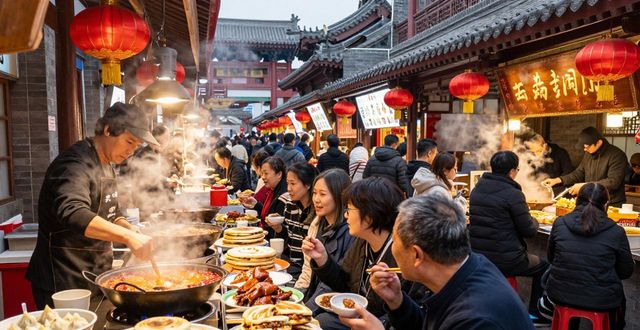
China’s food culture is one of the most diverse and exciting in the world. From sizzling street stalls to family-run hole-in-the-wall restaurants, every meal tells a story of history,geography, and tradition. Having traveled across 20 provinces and tasted hundreds of dishes, I can tell you that authentic China food experiences go far beyond sweet-and-sour pork or fortune cookies. They are about sharing tables with locals, embracing bold flavors, and stepping out of your comfort zone. This guide will help you navigate the real culinary landscape of China, from must-try street snacks to dining etiquette that will impress your hosts.
What are the top street foods in China

No China food experience is complete without exploring night markets. In Beijing, look for jianbing – a crispy crepe filled with egg, cilantro, and hoisin sauce. In Shanghai, shengjianbao (pan-fried pork buns) burst with hot soup when you bite into them. For adventurous eaters, Chengdu’s spicy rabbit heads and Guangzhou’s roast goose feet are local favorites. Street food is usually safe if you choose busy stalls where ingredients are cooked fresh. Always watch how locals order and eat – you’ll learn the right way to dip, wrap, or slurp.
How to eat like a local in China
Eating like a local means mastering chopsticks and sharing dishes family-style. Never stick chopsticks upright in your rice bowl – it resembles incense sticks used at funerals. When tea is poured for you, tap two fingers on the table to say thank you. In northern China, you’ll find hearty wheat-based foods like dumplings and noodles. In the south, rice and seafood dominate. A pro tip: order one more dish than the number of people at your table. And always finish your rice – leaving a little shows you’re full, but cleaning your plate means you want more.
Where to find authentic regional cuisines
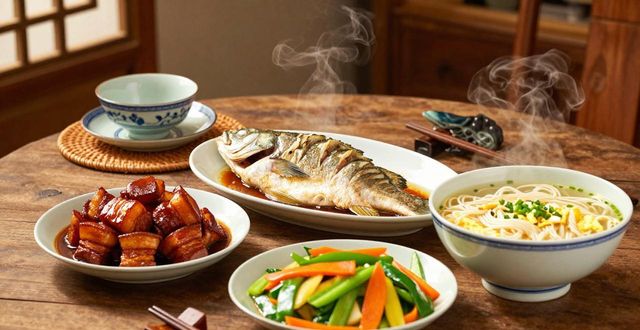
China has eight major culinary traditions, and each offers unique food experiences. Sichuan and Hunan are famous for heat – not just spicy but numbing from Sichuan peppercorns. Try mapo tofu or laziji (chicken with chilies). Cantonese cuisine from Guangdong emphasizes freshness and subtle flavors; dim sum and steamed fish are musts. For something completely different, head to Xinjiang for lamb skewers seasoned with cumin and served with naan bread. Don’t rely on hotel restaurants – walk into alleys where grandparents line up for takeout. Those queues tell you the food is real.
Tips for avoiding common tourist food traps
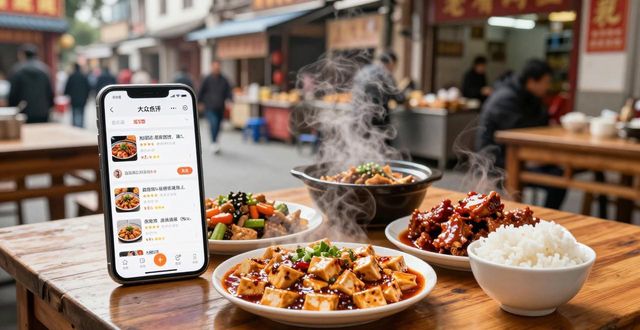
Many visitors end up eating overpriced, bland versions of Chinese food near popular landmarks. To avoid this, never accept menus with pictures of every dish unless you’re in a busy local joint. Use food apps like Dianping (China’s Yelp) – even if you can’t read Chinese, the photos and ratings help. Learn a few phrases: “bu la” (not spicy) if you can’t handle heat, or “zhe ge” (this one) while pointing at someone else’s plate. Also, skip restaurants that employ people waving menus on the street. The best spots often have no English signs, plastic stools, and a line out the door.
Now I’d love to hear from you – what’s the most unforgettable China food experience you’ve had, or which dish are you most excited to try on your next trip? Share your story in the comments, and don’t forget to like and pass this guide along to fellow food lovers.