
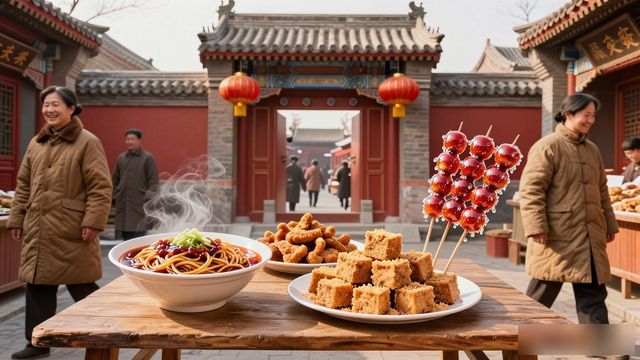
When people think of Beijing, the first thing that comes to mind is often the Great Wall or the Forbidden City. But for anyone who truly wants to understand this city, you have to start with its food. Beijing’s snack culture is a hidden world of bold flavors, strange textures, and centuries-old traditions. These aren’t your typical tourist dishes. They are the everyday eats of locals, packed with history and surprising tastes.
What makes Beijing snacks so different from other Chinese snacks

Beijing snacks stand out because they are deeply rooted in the city’s imperial past and its harsh northern climate. Unlike the sweet, delicate dim sum of the south, Beijing’s snacks are often heavy, salty, and hearty. They were designed to keep people warm during freezing winters and to satisfy hard-working laborers. Take Lü Da Gun, for example. This rolled glutinous rice cake filled with red bean paste gets its name from a donkey rolling in the dirt. It’s soft, chewy, and not too sweet. Then there’s Dou Zhi, a fermented mung bean drink that smells like a barn but tastes surprisingly earthy and comforting to locals. These snacks are not about being pretty. They are about being real.
Another big difference is the use of offal and strong seasonings. Jian Bing, the famous street crepe, is stuffed with crispy fried dough, egg, and a thick brown sauce that is both savory and slightly sweet. But if you want something truly unique,try Bao Du, which is sliced tripe quickly blanched in hot water and dipped in a sesame sauce. The texture is crunchy, and the flavor is pure Beijing. These snacks are not for the faint of heart, but they tell you more about the city than any museum ever could.
Where to find the most authentic unique snacks in Beijing
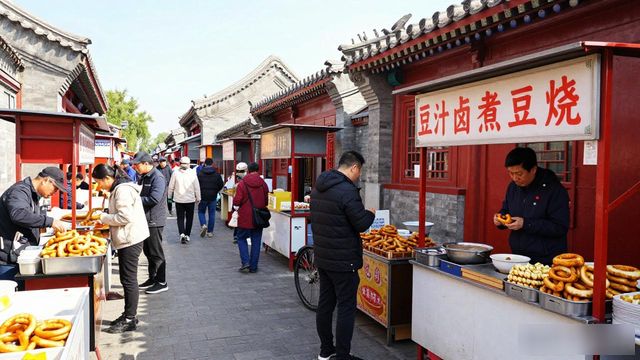
You won’t find the best snacks in fancy restaurants. You have to go to the hutongs, the old alleyways that are the heart of the city. The most famous spot is the Wangfujing Snack Street, but be careful. Many stalls there cater to tourists and sell overpriced, bland versions of the real thing. Instead, head to Niujie Street, the Muslim quarter. The beef and lamb snacks here are incredible. Try the Wontons in Chili Oil and the Roasted Lamb Skewers from small family-run carts.
If you want a more local experience, visit the Huguosi Snack Street near the Drum Tower. This is where old Beijingers go. You will see elderly men sipping Er Guo Tou liquor while eating Zha Jiang Mian with a thick soybean paste sauce. Another hidden gem is Jiaomen Snack Market in the south of the city. It is a bit off the tourist path, but the Fried Sauce Noodles and Soybean Milk with Deep-Fried Dough Sticks are absolutely worth the trip.
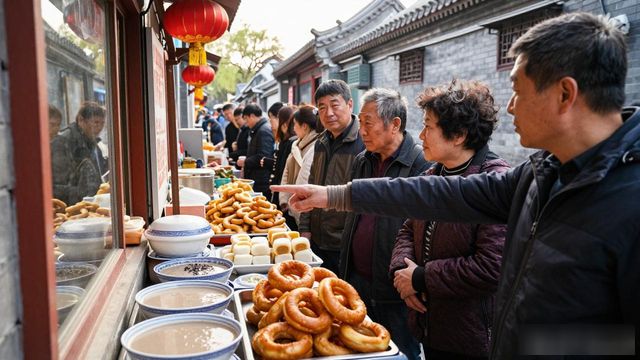
The key to finding real Beijing snacks is to follow the crowd. If you see a long line of locals waiting for a tiny window stall, get in that line. Do not be afraid to point at what others are eating. Most vendors do not speak English, but they are friendly and will help you. And remember, the best time to go is early morning or late afternoon when everything is freshly made.
Beijing’s unique snacks are not just food. They are a living history of a city that has always been proud, resilient, and unapologetically itself. So skip the expensive hotel buffet and go get your hands dirty in the alleys. You will not regret it.