
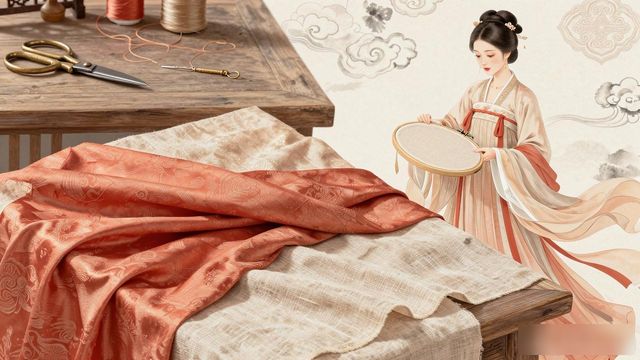
The hanfu making process is a beautiful blend of art, history, and craftsmanship. It involves careful fabric selection, precise cutting, and detailed sewing to recreate the flowing silhouettes of ancient Chinese dynasties. Whether you are a costume designer, a cultural enthusiast, or a DIY beginner, understanding this process helps you appreciate the cultural significance behind every fold and stitch.

What Fabric Do You Need for Hanfu
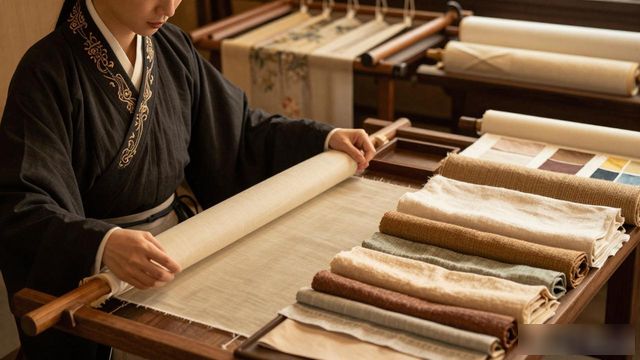
Choosing the right fabric is the foundation of any authentic hanfu. Traditionally, hanfu was made from natural materials like silk, linen, or cotton, depending on the wearer’s social status and the season. Silk is the most luxurious option, perfect for formal or ceremonial garments, while cotton and linen offer breathability for everyday wear. For modern makers, polyester blends can be a budget-friendly alternative that still drapes well. The fabric width should be at least 45 inches to accommodate the wide sleeves and long panels typical of hanfu. Always pre-wash your fabric to prevent shrinking later. Lightweight, flowing materials work best for the outer robe, while sturdier fabrics suit the underlayers.
How to Cut and Sew Hanfu Patterns
Once your fabric is ready, you need a basic pattern. Hanfu consists of several key pieces: the cross-collar top (usually with a right-side wrap), a long skirt or pants, and sometimes an outer robe. Start by measuring the wearer’s shoulder width,chest, waist, and desired garment length. Cut the front and back panels as large rectangles, leaving extra seam allowance. The sleeves are typically wide and straight, extending from the shoulder to the wrist or longer. Sew the shoulder seams first, then attach the sleeves. The most distinctive feature is the overlapping front collar, which requires careful folding and stitching to create a clean, symmetrical wrap. Hem all edges to prevent fraying. For the skirt, gather the top edge and attach a waistband with ties. Use a sewing machine for straight seams, but hand-sew delicate areas like collar edges for precision.