
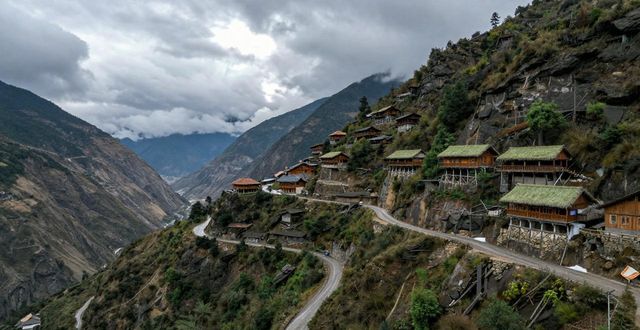
When most travelers think of Yunnan, they picture Dali’s ancient town or Lijiang’s canals packed with tourists. But the real magic of Yunnan lies in its forgotten corners—places where time moves differently and local life hasn’t been staged for cameras. This article is for those who want to trade crowded paths for raw encounters, and souvenir shops for genuine moments.
What are the best secret villages to visit in Yunnan

Start with the Nu River Valley in the northwest. This region is home to the Lisu, Nu, and Dulong ethnic groups, living in villages that cling to steep cliffs. The roads are rough, often unpaved, and landslides are common after rain. But that’s exactly why it remains untouched. You’ll see wooden houses on stilts, hear ancient polyphonic singing,and share meals with families who still use slash-and-burn farming. No Wi-Fi. No English menus. Just raw hospitality.
Another hidden gem is the village of Dengfeng in Honghe Prefecture. Unlike the famous Yuanyang rice terraces, Dengfeng sees almost no foreign visitors. The terraces here are older, smaller, and steeper. Farmers still use water buffaloes to plow. You can hike for hours without meeting another tourist. The best time is just before sunrise, when mist settles between the layers of rice paddies like a soft blanket.
If you want something even more remote, head to the borders of Myanmar in Pu’er Prefecture. Villages like Laomian and Wengji are home to the Blang and Wa people. They practice animist rituals, tattoo their faces, and brew tea from trees over a thousand years old. Locals will invite you into their homes without hesitation. You’ll sleep on bamboo mats, eat wild mushrooms foraged that morning, and wake up to roosters and the smell of wood smoke.

How to travel Yunnan off the beaten path without a guide
You don’t need a guide, but you do need patience and flexibility. Public buses run infrequently in remote areas. Sometimes they don’t run at all. Hitchhiking is common and safe, especially on the back of pickup trucks. Locals wave you down, not to ask for money, but to offer fruit or water.
Learn a few phrases in local dialects. Mandarin won’t always work in deep villages. Saying “Ngài mâi” in the Hani language can open doors. Carry small bills and practical gifts—lighters, salt, or pens for children. Cash is king. No ATMs in these towns. Also, pack a sleeping bag liner. Some guesthouses have thin blankets.

Respect local customs. Never point your feet at a stove or altar. Ask before taking photos, especially of elders. Many villagers believe a camera steals their spirit. If they say no, put your phone away. These encounters are not photo ops; they are exchanges between people.
Finally, slow down. You won’t see five attractions in one day. You might spend an entire afternoon drinking tea with a grandmother who doesn’t speak a word of English. That’s the point. The off-the-beaten-path experience is not about ticking boxes. It’s about losing track of time and finding something real. Yunnan’s hidden corners reward those who stay curious, humble, and open to the unexpected.