
Planning a trip to China often starts with one big question: how much will it actually cost. Many travelers assume China is either extremely cheap or surprisingly expensive, but the reality sits somewhere in between. Your daily budget depends heavily on where you go, how you travel, and what kind of experience you want. A backpacker in Chengdu will spend far less than a business traveler in Shanghai, but even mid-range travel can be very affordable compared to many Western countries.
What is the average daily budget for a China trip

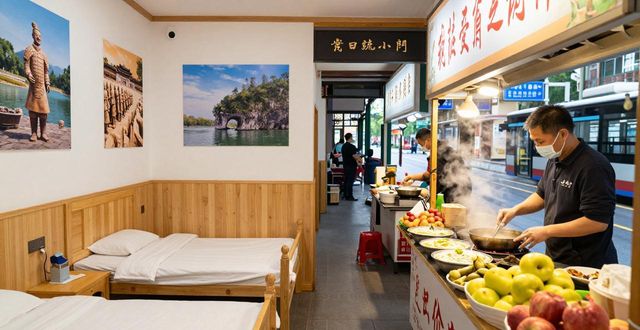
For budget travelers, daily costs can range from 30 to 60 USD. This typically covers a dorm bed in a hostel, street food or simple local meals, public transportation like buses and metro, and a few paid attractions. Hostels in cities like Xi’an or Guilin charge around 8 to 15 USD per night, while a bowl of noodles costs 2 to 4 USD. If you stick to local eats and walk or use shared bikes, you can stretch your money quite a bit. For mid-range travelers, expect 80 to 150 USD per day. This means a private room in a comfortable hotel, meals at mid-tier restaurants, metro and taxi rides, and entrance fees to major sights like the Great Wall or the Forbidden City. A four-star hotel in Beijing or Shanghai costs about 60 to 100 USD per night, and a decent meal with drinks runs 10 to 20 USD per person. Luxury travelers should budget 200 USD and up per day, including five-star hotels, fine dining, private guides, and first-class train tickets.
How do transportation costs affect the total trip
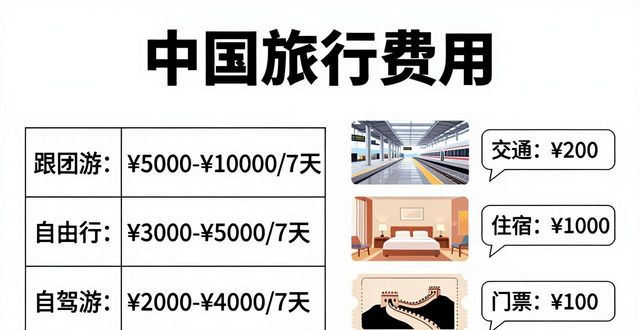
Domestic travel in China can add up quickly if you are not careful. High-speed trains are efficient but not always cheap. A second-class ticket from Beijing to Shanghai costs around 80 USD, while the same route by overnight sleeper train might be only 40 to 50 USD. Budget airlines like Spring Airlines offer even lower fares if you book early, but watch out for baggage fees. For shorter distances, buses and subways are extremely affordable. A metro ride in most cities costs less than 1 USD, and a bus ride is often half that. Taxis and ride-hailing apps like Didi are reasonably priced compared to Europe or the US, with most city trips costing between 3 and 10 USD. If you plan to visit multiple cities, consider buying a China Rail Pass or booking flights early to lock in lower prices.
Are there hidden costs travelers often miss
Visa fees, travel insurance, and domestic data plans are often overlooked. A standard tourist visa costs around 140 USD, and you may need to pay extra for expedited processing. Travel insurance for a two-week trip runs about 30 to 60 USD, which is well worth it given potential medical costs. A local SIM card or eSIM with data costs 10 to 20 USD for a month, and having internet access is crucial for using maps, payment apps, and translation tools. Some attractions also charge higher prices for foreign visitors, though this is becoming less common. Always check if a site requires advance booking, as last-minute tickets can cost more or be sold out entirely. Tipping is not expected in China, which is a nice relief for Western travelers, but be aware that some hotels add a service charge.