
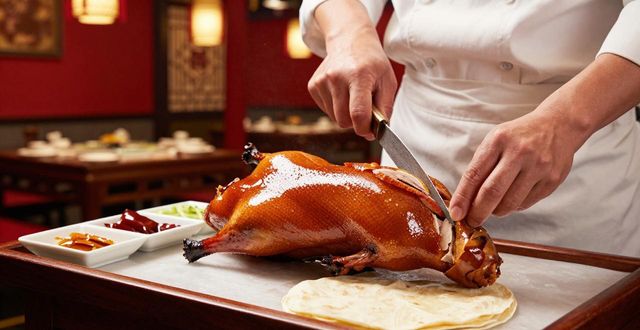
When people think of Beijing, the first thing that comes to mind is often the Great Wall or the Forbidden City. But for travelers with a curious palate, the city’s signature food tells a deeper story of culture, history, and everyday life. Beijing’s food scene is not just about eating—it’s about experiencing centuries of tradition through flavor. From royal dishes once served in the imperial court to street snacks sold in bustling hutongs, the city’s culinary identity is rich, bold, and unforgettable.
What is the most famous signature dish in Beijing

If you ask any local or seasoned traveler what dish defines Beijing, the answer is almost always Peking Duck. This is not just a meal; it’s a ceremony. The duck is roasted until the skin becomes incredibly crispy, then sliced right in front of you. You wrap the tender meat and crackling skin in a thin pancake with scallions, cucumber, and sweet bean sauce. The combination of textures and flavors is something you won’t find anywhere else. Many restaurants in Beijing, like Quanjude or Da Dong, have been perfecting this dish for generations. Tourists often line up for hours just to get a taste, and it’s easy to see why. Peking Duck is the crown jewel of Beijing’s culinary scene, and no visit to the city is complete without it.
How do Beijing locals eat breakfast like a true Beijinger
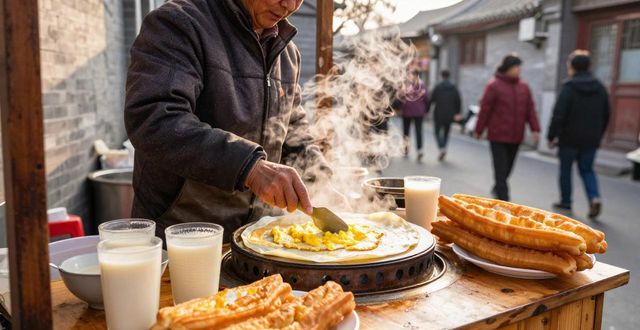
Breakfast in Beijing is a whole different world. Locals don’t sit down for a slow brunch—they grab something quick, hot, and deeply satisfying. The most common breakfast item is jianbing, a savory crepe made from a thin layer of batter spread on a hot griddle. An egg is cracked on top, then the crepe is brushed with hoisin sauce and chili paste, sprinkled with scallions and cilantro, and folded around a crispy fried cracker. It’s crunchy, savory, slightly sweet, and filling. You’ll see street vendors making jianbing on nearly every corner in the morning. Another local favorite is doujiang, or warm soy milk, often paired with youtiao, a deep-fried dough stick. Dipping the crispy youtiao into the warm, slightly salty soy milk is a simple pleasure that Beijingers have enjoyed for decades. These breakfast foods are cheap, fast, and packed with flavor—perfect for starting a day of exploring.
What street foods should tourists try in Beijing
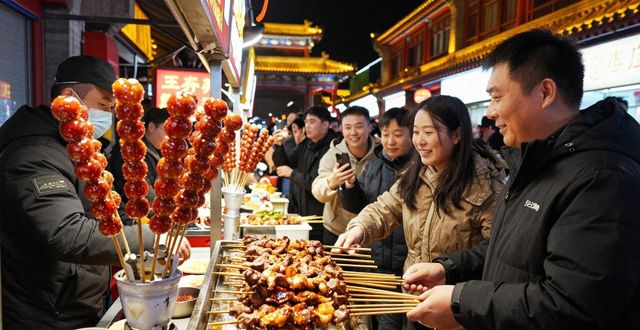
Beyond the famous dishes, Beijing’s street food culture is vibrant and accessible. In areas like Wangfujing Snack Street or the hutongs around Gulou, you’ll find vendors selling everything from lamb skewers seasoned with cumin and chili to tanghulu—candied hawthorn berries on a stick that are sweet and tart at the same time. One of the most intriguing street foods is zhajiangmian, or noodles with fried sauce. It’s a bowl of thick wheat noodles topped with a rich sauce made from fermented soybean paste and ground pork, then finished with fresh cucumber shreds and bean sprouts. It’s hearty, comforting, and very different from the noodle dishes you might find in other parts of China. For the adventurous eater, there’s also baozi, steamed buns filled with meat or vegetables, and ludagunr, a sweet rolled cake made from glutinous rice and red bean paste. These street foods give you a real taste of how Beijingers eat every day—quick, flavorful, and deeply satisfying.
Beijing’s signature food is more than a list of dishes. It’s a journey through the city’s streets,markets, and kitchens. Whether you’re sitting down for a formal Peking Duck dinner or grabbing a quick jianbing on the go, every bite tells a story. For anyone visiting Beijing, eating like a local is the best way to understand the soul of the city.