
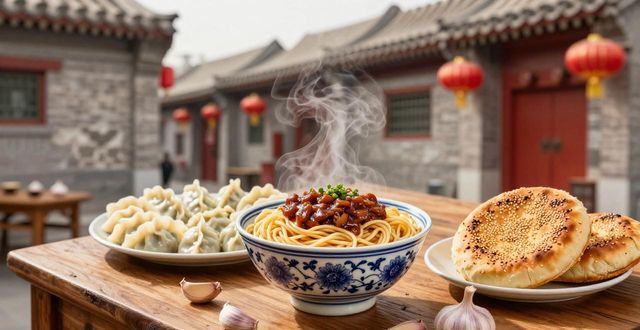
When people talk about Beijing food delights, they often think of one iconic dish—Peking duck. But the city’s culinary scene goes far beyond that single star. From humble street snacks to hearty imperial dishes, Beijing’s food culture tells the story of its history, climate, and the daily lives of its people. It’s bold, savory, and surprisingly comforting once you know where to look.
What makes Beijing food truly special

The first thing you notice about Beijing food is its reliance on wheat rather than rice. Noodles, dumplings, and flatbreads are everyday staples. This is northern Chinese cooking at its core—hearty and filling, designed to keep you warm through cold winters. The flavors are not shy: lots of garlic, dark vinegar, sesame paste, and fermented bean curd. A bowl of zhajiangmian, or fried sauce noodles, is a perfect example. Thick wheat noodles are topped with a rich sauce made from ground pork and fermented soybean paste, then finished with fresh cucumber shreds and soybeans. It’s simple, messy, and absolutely addictive.
Another thing that stands out is the street food culture. You’ll find vendors selling jianbing, a crispy crepe filled with egg, scallions, and a crunchy fried wonton sheet, wrapped up and eaten on the go. Then there’s lamb skewers dusted with cumin and chili, sizzling on open grills. These aren’t fancy dishes, but they capture the pulse of the city. Locals line up every morning and night for these flavors, and once you try them, you understand why.
Where to find the best local flavors
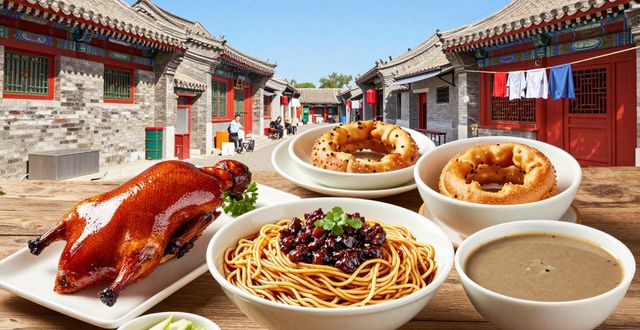
If you want to eat like a Beijing local, avoid the tourist-packed restaurant chains and head to the hutongs. In neighborhoods like Dongsi or Nanluoguxiang, small family-run shops have been serving the same recipes for decades. Look for a place with a line of locals out the door. That’s where you’ll find the most authentic bowls of lǘdagunr, a sweet glutinous rice roll coated with soybean flour, or douzhi, a fermented mung bean drink that’s definitely an acquired taste but deeply traditional.
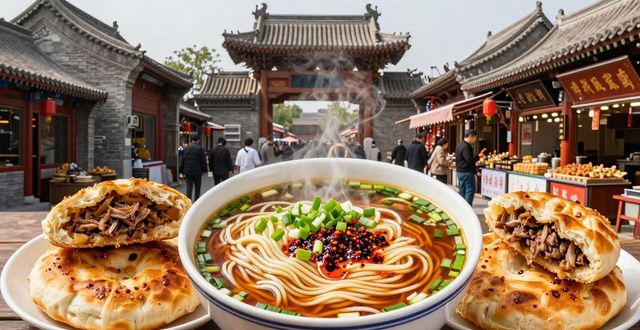
Don’t overlook the Muslim quarter near Niujie. Beijing has a significant Hui Muslim community, and their beef and lamb dishes are outstanding. Try the hand-pulled noodles in clear beef broth, or the crispy flatbread filled with spiced minced lamb. These dishes are clean, aromatic,and entirely different from the heavier Han Chinese fare. For dessert, grab a bowl of sweet red bean soup or a piece of sugared hawthorn on a stick—both are classic Beijing street treats that finish a meal perfectly.
Beijing food delights are not about refinement or delicate plating. They are about honest, bold flavors that have been feeding generations. Once you step into a local eatery and order with confidence, you’ll taste the real soul of this ancient city.