
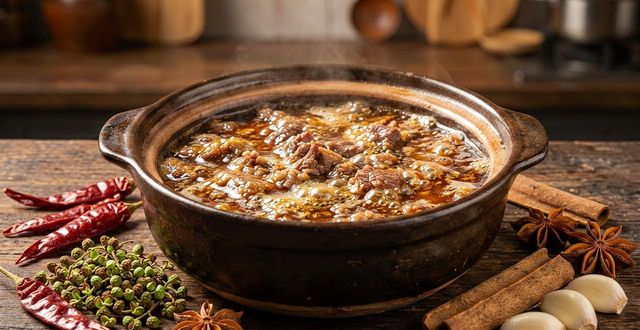
If you have ever walked through the streets of Chongqing or Chengdu, the fragrant and fiery aroma of spicy hot pot is impossible to miss. Spicy hot pot in China is not just a meal — it is a social ritual, a culinary adventure, and a cultural symbol all rolled into one. The bubbling red broth, packed with dried chilies and Sichuan peppercorns, delivers a unique numbing and tingling sensation that keeps people coming back for more.
What is the secret behind the bold flavor

The magic of spicy hot pot lies in its broth. A traditional Sichuan-style broth starts with beef tallow, which gives the soup a rich and savory base. Then comes a generous handful of dried red chilies, Sichuan peppercorns, star anise, cinnamon, and garlic. The slow simmering process allows these spices to infuse deeply, creating a complex layering of heat, numbness, and aromatic sweetness. Many locals believe the longer the broth boils, the better it tastes. Some restaurants even keep their base broth simmering for years, adding fresh ingredients daily to maintain the depth of flavor.
Another key factor is the dipping sauce. Unlike the broth, the dipping sauce is customizable. Diners mix sesame oil, minced garlic, chopped cilantro, and fermented bean paste to balance the intense spiciness. The contrast between the hot broth and the cooling sauce creates a delightful eating experience. This personalization makes each meal feel unique and interactive.
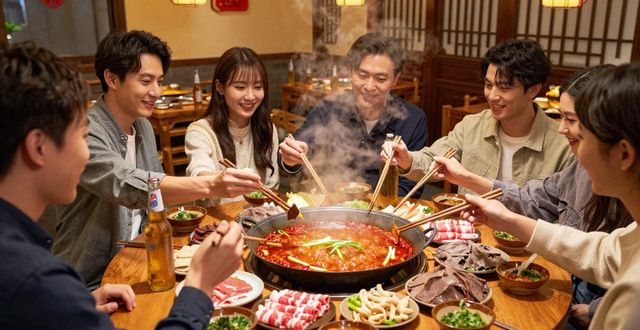
How do people eat spicy hot pot together
Eating hot pot is a highly social activity. Friends and family gather around a boiling pot placed at the center of the table. Each person gets a small personal bowl and a set of chopsticks. Raw ingredients like thinly sliced beef,lamb, tofu skin, lotus root, mushrooms, and leafy greens are placed on plates around the pot. Everyone picks what they want and cooks it in the bubbling broth right at the table.
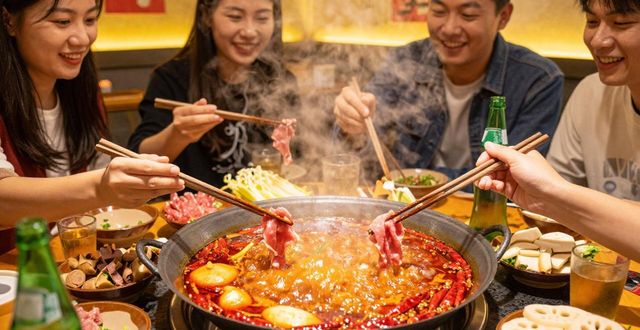
The cooking time varies by ingredient. Thin slices of meat need only ten to fifteen seconds, while root vegetables may take a few minutes. This real-time cooking keeps the meal lively and engaging. People chat, laugh, and share food while waiting for their next bite. The shared experience strengthens bonds and turns a simple dinner into a memorable event. Many restaurants also offer “yuanyang” pots — a split pot with spicy broth on one side and mild broth on the other — to accommodate different spice tolerance levels.
Spicy hot pot in China is more than food; it is a sensory journey and a tradition of togetherness that has gained fans across the globe.