
If you’re visiting Shanghai for the first time, the sheer size of the city can feel overwhelming. But once you understand a few basics about Shanghai transportation, getting around becomes surprisingly easy. The system is modern, efficient, and well-connected, making it one of the best ways to explore both the famous landmarks and the hidden corners of the city.
Is it easy to use the Shanghai Metro as a tourist

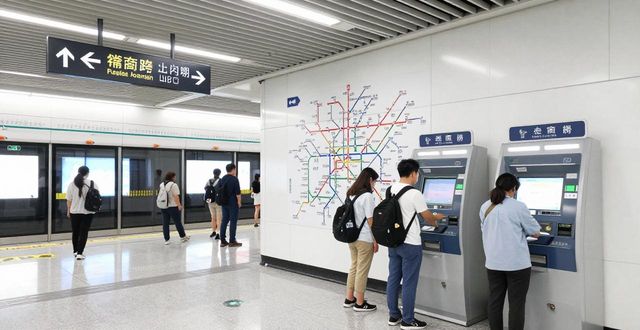
The Shanghai Metro is the backbone of local travel and it’s actually very tourist-friendly. With 18 lines and over 400 stations, it reaches almost every major attraction. The signs are in both Chinese and English,and station announcements are bilingual. You’ll find ticket machines that accept cash, Alipay, or WeChat Pay. But if you don’t have a Chinese bank card, some machines won’t work for you. In that case, head to the customer service window to buy a single-ride token. The trains are clean, air-conditioned, and run from around 5:30 AM to 10:30 PM. During peak hours, they get packed. Really packed. But it’s still the quickest way to cross the city.
How do I pay for buses and taxis in Shanghai
Buses are cheap and go where the metro doesn’t. You can pay with a transportation card, which you can buy at any metro station. This card also works on the ferry and some taxis. For a single bus ride, you just scan the card on the reader when you get on. Some newer buses also let you scan a QR code from Alipay. But if you don’t have that setup, the card is your safest bet. Taxis are everywhere, but not all drivers speak English. Have your destination written in Chinese characters ready on your phone. Didi, the local ride-hailing app, is more reliable than hailing a cab on the street. Download the English version before you arrive.
Walking and cycling are also part of the experience. The streets around the Bund and French Concession are best explored on foot. Shared bikes like Mobike and HelloBike are parked at almost every corner. You unlock them by scanning a QR code with Alipay. Just be careful on bigger roads where traffic can be chaotic. The city government has been improving pedestrian crossings and bike lanes, but you still need to stay alert.
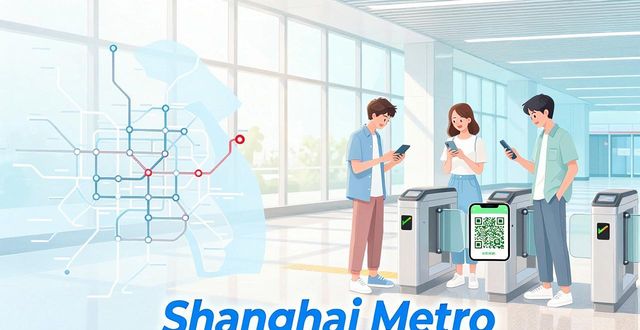
Shanghai transportation is not something to fear. It’s a tool that opens up the entire city. Once you get the hang of the metro map and a few payment methods, you’ll feel confident moving around like a local. The key is to prepare a little before you go and stay flexible when plans change.