
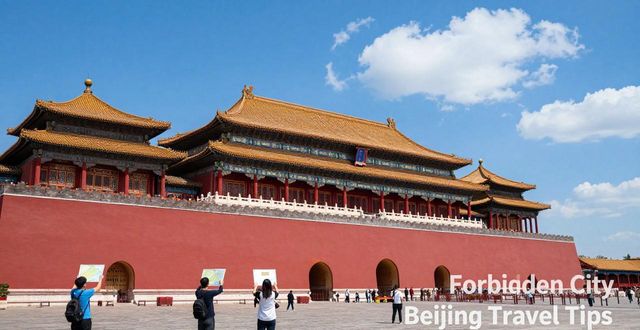
The Forbidden City in Beijing is one of the most iconic historical sites in the world. As a former imperial palace spanning over 500 years of Chinese history, it draws millions of visitors annually. Whether you are a history buff, a casual traveler, or a photographer, understanding the scale and layout of this vast complex is essential for a meaningful visit. This article breaks down practical advice and historical insights to help you make the most of your trip.
What is the best time to visit the Forbidden City

Timing can make or break your experience. The Forbidden City is busiest during Chinese national holidays like Golden Week in October and the Spring Festival. If you can, plan your visit on a weekday in spring or autumn. The weather is mild, and the crowds are thinner. Mornings right after the gates open at 8:30 AM offer a quieter atmosphere, especially if you head straight to the inner courtyards. Avoid midday tours in summer when the sun beats down on the stone pathways with little shade. Winter visits are less crowded but cold, so dress warmly. If you want to capture photos without hundreds of strangers in the frame, aim for late afternoon near closing time,when the golden light hits the red walls beautifully.
How to buy tickets and skip long lines
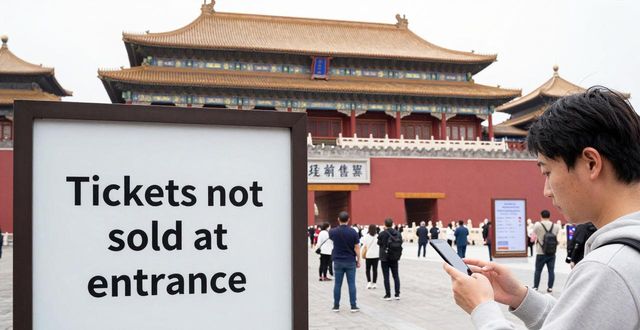
Tickets are not sold at the entrance anymore. You must book online in advance through the official website or authorized platforms. Foreign visitors often need to use a passport number to register. Tickets sell out days ahead during peak seasons, so do not wait until the last minute. There are different ticket types: the basic entrance ticket covers the main palace halls, while a combined ticket also includes the Treasure Gallery and the Clock and Watch Gallery. These side exhibits are worth the extra cost because they offer rare artifacts that tell stories of imperial life. Once inside, you will find that the Forbidden City is huge. Plan at least three to four hours to walk through the main axis and a few side halls. Wear comfortable shoes because you will do a lot of walking on uneven stone floors.
What not to miss inside the palace walls

Most visitors follow the central path from the Meridian Gate to the Hall of Supreme Harmony, but the real magic lies in the lesser known areas. The Garden of Imperial Comfort is a peaceful retreat with ancient cypress trees and rockeries. The Palace of Tranquil Longevity houses exquisite furniture and jade carvings. Do not skip the Hall of Mental Cultivation, where emperors like Qianlong actually worked and lived. Each hall has a different architectural style and purpose, from political ceremonies to private residences. Reading the English placards or using an audio guide adds depth to what might otherwise feel like a sea of identical rooftops. Pay attention to the details: the carved dragon motifs on marble ramps, the bronze lions guarding gates, and the painted beams that have faded over centuries but still glow with color.