
A tea ceremony is far more than just drinking a bowl of tea. It is a meditative art form that has been refined over centuries, blending hospitality, aesthetics, and mindfulness into a single ritual. For many first-timers, the experience can feel mysterious or even intimidating, but once you understand its rhythm and meaning, it becomes a deeply enriching journey. In this guide, I will walk you through what actually happens during a tea ceremony, how to prepare yourself, why it is worth your time, and where to find an authentic one.
What does a tea ceremony involve
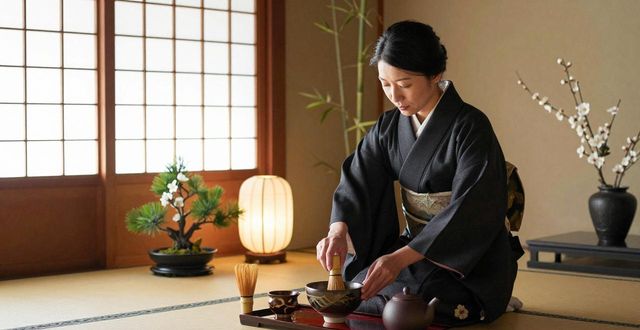
A typical tea ceremony, whether Japanese chanoyu or Chinese gongfu cha, follows a precise sequence of movements. The host begins by purifying the utensils – a tea bowl, whisk, and scoop – using graceful, deliberate gestures. Then a small amount of matcha powder (or loose-leaf tea) is placed into the bowl, followed by hot water poured from a iron kettle. The host whisks the mixture into a frothy, vibrant green liquid using a bamboo whisk. Each step is performed with quiet focus, often in a tatami-mat room or a traditional tea house. Guests observe in silence, appreciating the seasonal decorations, the calligraphy scroll, and the simple ceramic ware. When the tea is ready, the host presents the bowl to the first guest with a slight bow.

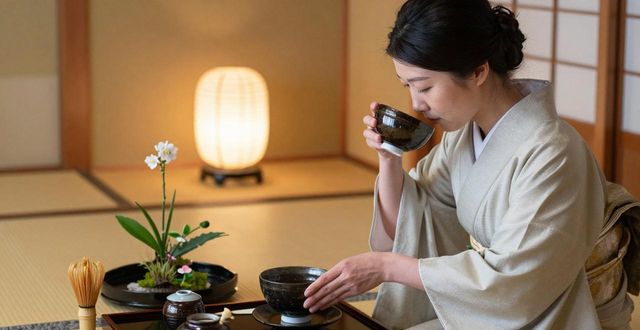
The guest receives the bowl with both hands, turns it slightly to avoid drinking from the front (a sign of respect), and takes a slow sip. After drinking, the guest wipes the rim with a paper napkin, admires the empty bowl, and returns it to the host. This exchange may sound simple, but it is layered with meaning. Every gesture – from how you hold the bowl to how you place your hands on the tatami – communicates gratitude and humility. The entire ceremony can last from 30 minutes to four hours, depending on the formality. A casual tea gathering might include light sweets served before the tea to balance the bitterness. What surprises most newcomers is how such a small bowl of tea can feel so satisfying, not just for the taste but for the mental stillness it creates.
How to behave during the ceremony
If you are attending a tea ceremony for the first time, knowing a few basic etiquette rules will help you feel more comfortable. First, arrive on time and dress modestly – avoid flashy jewelry or strong perfumes, as these can distract from the tea’s aroma. Remove your shoes before entering the tea room and kneel or sit in a relaxed seiza position (if kneeling is painful, it is acceptable to sit cross-legged in informal settings). During the ceremony, do not speak unless spoken to; conversations are usually limited to brief compliments about the utensils or the seasonal decorations. When the host offers you a sweet, eat it in one or two bites before the tea arrives – the sweetness cleanses your palate. As the tea bowl is passed to you, bow slightly to the previous guest and then to the host. Never lift the bowl with one hand; always use both hands as a sign of respect.
Another important point is how to handle the bowl itself. Rotate it clockwise two or three times so that you do not drink from its front (the side that faced the host). After drinking, gently wipe the spot where your lips touched with your thumb or a piece of paper, then rotate the bowl back to its original position before returning it. Do not slurp or make loud noises. If the tea is too hot, wait a moment – blowing on it is considered impolite. Remember that the tea ceremony is a choreographed dance of small actions. The host has spent years practicing these movements, so your role is simply to receive with an open heart. Even if you make a mistake, such as holding the bowl incorrectly, do not panic. A gracious host will guide you with quiet gestures. The most important rule is to stay present and enjoy the moment without rushing.
Why you should try a tea ceremony
Many people sign up for a tea ceremony experience out of curiosity about Asian culture, but they leave with something much deeper. In our fast-paced world, where coffee is gulped down on the way to work, the tea ceremony forces you to slow down. Those thirty minutes or an hour become a sanctuary from notifications and deadlines. You are not allowed to check your phone; you are not even allowed to think about your to-do list. Instead, you focus on the warmth of the bowl in your palms, the earthy scent of matcha, and the quiet sound of boiling water. This kind of intentional mindfulness has been shown to reduce stress and lower blood pressure. Many participants report feeling a sense of calm that lasts for hours after the ceremony ends.
Beyond personal wellness, a tea ceremony offers a unique window into philosophy. The principles of harmony (wa), respect (kei), purity (sei), and tranquility (jaku) are not abstract ideas – they are embodied in every motion. When the host cleans the utensils in front of you, it is not about hygiene alone; it is a demonstration of purity of heart. When you bow to each other, it is an acknowledgment of equal human dignity. These small acts rebuild a sense of community that is often missing in modern life. Also, the tea itself is surprisingly delicious. High-quality matcha has a creamy, umami-rich flavor with a slight sweetness, completely different from the bitter powder used in lattes. For travelers, a tea ceremony is an unforgettable memory – one that connects you to centuries of tradition in a single sip. Whether you are an art lover, a spiritual seeker, or just tired, this experience has something to offer.
Where to find authentic tea ceremony experience
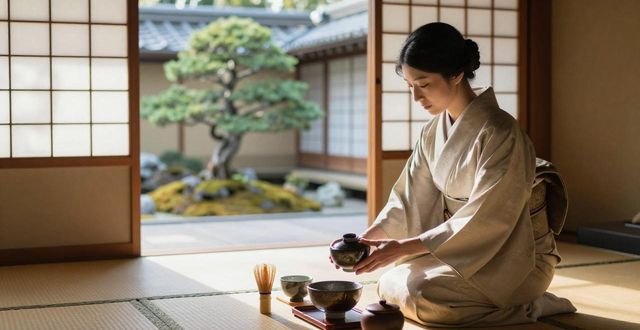
Authentic tea ceremonies are available in many cities around the world, but the most immersive ones are naturally in Japan – particularly in Kyoto, Tokyo, and Kanazawa. In Kyoto,you can visit temples like Kodai-ji or private tea houses in Gion district that offer English-friendly sessions. Many of these experiences are led by certified tea masters who explain each step as they go. Prices range from 2000 to 5000 yen (about 15–35 USD) for a casual session, while formal ceremonies with kimono dressing and sweets can cost more. Be careful of tourist traps that rush you through in ten minutes with a plastic cup of powdered tea. A real ceremony will last at least 30 minutes, use authentic utensils, and allow you to whisk your own tea in some cases. Always check online reviews and look for venues that mention “tea ceremony experience” with cultural education, not just a photo opportunity.
Outside Japan, major cities like New York, London, and San Francisco have Japanese cultural centers or tea schools that host public ceremonies. For example, the Urasenke Foundation has branches worldwide offering beginner-friendly classes and demonstrations. Another option is to look for Chinese tea ceremony experiences, which are more common in Chinatowns and often focus on gongfu cha – a method using small clay teapots and multiple steepings of oolong or pu’er tea. These are less formal than Japanese tea ceremonies but equally fascinating. Before booking, ask how long the session lasts, whether you will be seated on floor cushions or chairs, and if there is an English interpreter. Also, consider taking a short online tutorial on basic etiquette so you feel less nervous. Ultimately, the best place is wherever a knowledgeable host can share their passion with you. Do not be afraid to travel an extra mile for a genuine connection.
Have you ever participated in a tea ceremony, or are you planning to try one soon? What aspect of the experience most interests you – the meditation, the history, or simply the taste of matcha? Share your thoughts in the comments below, and if you found this guide helpful, please like and share it with fellow tea lovers.