

Ming Qing dynasty architecture represents one of the most refined and enduring building traditions in human history. Spanning over five centuries, these two dynasties produced palaces, temples, gardens, and city walls that still shape China’s urban and cultural landscape today. To truly appreciate this architecture, one must look beyond the curved roofs and red pillars, into the deeper logic of space, structure, and symbolism that guided every design decision.
Why did Ming Qing architecture use so much wood and color

The heavy reliance on timber in Ming and Qing buildings was not just a matter of tradition but a deliberate engineering choice. Wooden columns and beams formed a flexible framework that could absorb seismic shocks, an essential feature in a region prone to earthquakes. The intricate bracket sets, known as dougong, were not merely decorative; they distributed the weight of massive roofs across the columns, allowing for wide eaves and open interiors. Color, particularly the bold red of columns and the golden yellow of imperial roof tiles, carried deep symbolic meaning. Red represented vitality and good fortune, while yellow was reserved exclusively for the emperor. The use of paint also served a practical purpose, protecting the wood from moisture and insects. In the Forbidden City, for example, every shade of lacquer and every gilded detail reinforced the political and cosmic order, making architecture a visible statement of power.
What makes a Ming Qing garden different from a European garden
Chinese gardens from the Ming and Qing periods operate on a completely different logic than their European counterparts. While French gardens like Versailles emphasize symmetry, open vistas, and human control over nature, Ming Qing gardens aim to recreate the essence of natural landscapes in miniature. Paths twist and turn, rocks are placed to suggest mountain ranges, and water features are designed to evoke lakes and streams. The famous Garden of the Humble Administrator in Suzhou demonstrates this principle perfectly. Every window frames a carefully composed scene, and every pavilion offers a new perspective. The goal is not to impress with size but to create a space for contemplation and retreat. These gardens were built for scholars and poets, not for public display, and their intimate scale and complex spatial sequences reward slow, repeated visits. The use of borrowed scenery, where distant towers or hills are incorporated into the garden’s visual field, blurs the boundary between inside and outside.
How did Ming Qing city walls and gates shape daily life
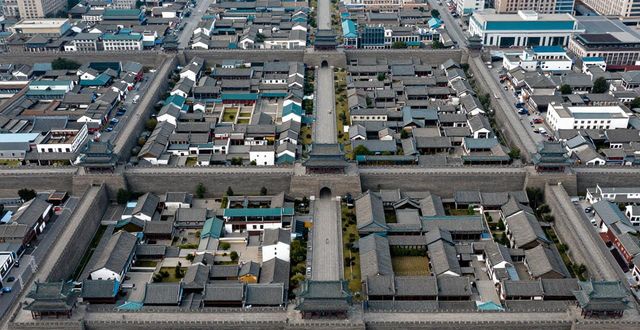
City walls in the Ming and Qing dynasties were far more than defensive barriers; they were instruments of social and economic control. The typical Ming city followed a rectangular plan, with gates aligned to cardinal directions. Inside, the grid of streets created distinct quarters for officials, merchants,and commoners. The Drum Tower and Bell Tower regulated daily rhythms, announcing the hours for work, rest, and curfew. Gates were locked at night, and movement between districts was restricted. This spatial hierarchy reinforced the social order. In Beijing, the Forbidden City sat at the center, surrounded by concentric layers of walls that separated the emperor from the populace. The outer city housed markets and entertainment districts, while the inner city was reserved for nobles and government offices. Even today, the remnants of these walls shape traffic patterns and neighborhood identities. The Ming city wall of Nanjing, built with massive stone blocks and bricks, remains one of the longest surviving city walls in the world, a testament to the engineering ambition of the era.