
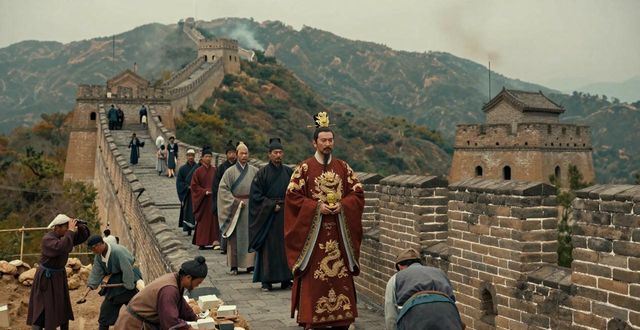
The Great Wall of China is one of the most iconic structures in human history, yet many misconceptions surround this ancient wonder. Stretching thousands of miles across northern China, it was not a single continuous wall but a series of fortifications built by different dynasties over two millennia. In this article, I will share practical insights about its history, dimensions, and the best ways to experience it today. Whether you are planning a visit or simply curious, you will find clear answers to the most common questions.
Why was the Great Wall built
Contrary to popular belief, the Great Wall was not primarily designed to keep out entire armies. Its main purpose was to control border trade, regulate immigration, and impose taxes on silk road caravans. Small watchtowers allowed soldiers to light signal fires, warning garrisons of approaching raiders. The wall also prevented common bandits from sneaking into farming villages. By the Ming dynasty, however, the threat from Mongol cavalry became so severe that massive stone and brick sections were constructed. Understanding this defensive strategy helps explain why the wall snakes across mountains rather than following a straight line.

Another key reason was political propaganda. Emperors used the wall to project strength and legitimacy, showing that they could protect their people. The labor force included soldiers, peasants, and even prisoners. Many workers died during construction and were buried near the wall. Recent archaeological digs have uncovered bones and tools, proving the human cost behind this grand project. So when you look at the wall, remember it is also a monument to sacrifice.
How long is the Great Wall really
The most common figure you hear is 13,171 miles, but that includes all branches and natural barriers like rivers and hills that were integrated into the system. A 2012 state survey using GPS technology measured the actual man-made wall sections from the Ming dynasty at about 5,500 miles. If you add walls from earlier dynasties such as Qin and Han, the total exceeds 12,000 miles. However, large portions have crumbled into dirt mounds or were dismantled for building materials by local villagers. Only about 8% of the original structure remains in good condition today.
For perspective, the Great Wall could stretch from New York to Los Angeles four times over. Yet many first-time visitors are surprised to learn that the wall is not visible from space with the naked eye. Astronauts have confirmed this myth was debunked decades ago. What you can see from low orbit are city lights and reservoirs, not the wall. The real marvel is how ancient engineers aligned the wall with mountain ridges to maximize visibility and defense, using only manual tools and gunpowder for blasting.
What is the best section to visit
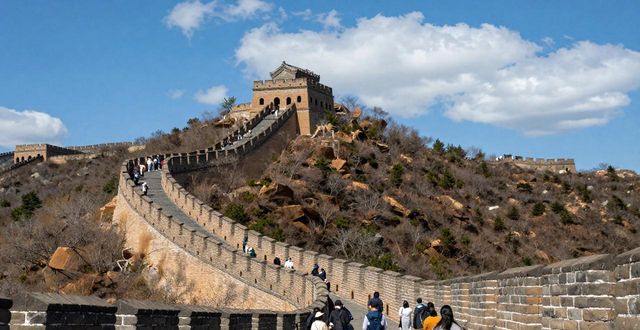
Badaling is the most crowded section because it is closest to Beijing and has cable cars, making it accessible for elderly travelers and families. However, you will struggle to take a photo without strangers in the background. For a more authentic experience, consider Mutianyu,which is less packed and offers a beautiful restored watchtower with sweeping views. It also has a thrilling toboggan slide to ride down the mountain. If you are a hiking enthusiast, Jinshanling to Simatai is the classic trek. This stretch features wild, unrestored wall where crumbling bricks and overgrown vegetation create a haunting atmosphere.
Each section has trade-offs. Badaling has the best souvenir shops and restrooms but feels like a theme park. Mutianyu balances convenience and scenery. Jinshanling requires a two-hour drive from Beijing but rewards you with sunrise photography that no postcard can match. I recommend checking the weather forecast before going – fog can completely hide the wall, while snow transforms it into a dragon of white stone. Also, avoid Chinese national holidays like Labor Day week in May, when all sections become shoulder-to-shoulder queues.
How can you avoid tourist traps

Many package tours include a “tea ceremony” or “jade factory” stop that adds hours to your trip and pressures you to buy overpriced goods. Instead, take public bus 877 from Deshengmen in Beijing to Badaling for only 12 yuan. For Mutianyu, book a direct shuttle bus online that departs from Dongzhimen. Hire a local guide only if they show a certified license from the China Tourism Administration. Some fake guides will lead you to unfinished sections that lack safety railings. Always carry cash because remote ticket booths may not accept credit cards.
Another trap is buying “Great Wall certificates” from street vendors. These are not official and use blurry stamps. The real souvenir is the memory – and maybe a piece of fallen brick from the ground (never break off the wall itself, as it is illegal and damages history). Wear sturdy hiking shoes even on restored sections because the steps are uneven, some as high as your knee. Bring twice as much water as you think you need, especially in summer, because there are few shops once you leave the entrance area. And finally, start your climb before 8 a.m. to beat both the heat and the crowds.
Now here is a question for you: Have you visited the Great Wall, or which section would you most like to explore – and why? Share your thoughts in the comments below, and if you found these tips helpful, please like and share this article with fellow travelers.