
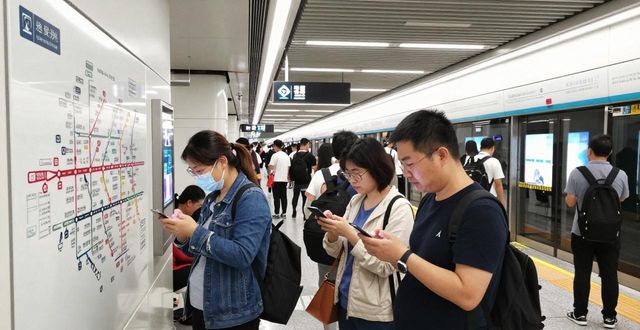
China’s public transportation system is one of the most extensive and efficient in the world, connecting cities, suburbs, and rural areas through a network of high-speed trains, subways, buses, and ferries. For foreign travelers, the biggest challenge is not the lack of options, but understanding how to use these connections seamlessly. The system is designed for speed and reliability, but it operates differently from what many Westerners are used to. This article breaks down the key aspects of China’s public transportation connections, focusing on the most practical questions that visitors and expats frequently ask.
How do I connect between high-speed trains and local subways

One of the biggest advantages of China’s transportation system is the seamless integration between high-speed rail stations and urban metro networks. Most major high-speed rail stations, such as Beijing South, Shanghai Hongqiao, and Guangzhou South, have direct subway lines built into the station complex. You don’t need to step outside to transfer. After arriving on a high-speed train, simply follow the signs marked with the subway logo, which is usually a blue and white “M” or a red circle with a metro icon. The walk from the train platform to the subway entrance often takes less than ten minutes, depending on the station size. Payment is unified through the same mobile apps like Alipay or WeChat, or you can use a physical transit card that works on both trains and subways in most cities. The key is to plan your arrival station ahead of time. For example, if you are heading to central Shanghai, choosing Hongqiao Station puts you directly on Lines 2, 10, and 17. This connection saves you from dealing with confusing taxi queues or language barriers.
What is the best way to plan a multi-city trip using public transport
Traveling between Chinese cities using public transportation is incredibly straightforward, but it requires some upfront planning. The most popular method is to use the high-speed rail network, which operates like a subway system for the entire country. Trains run from early morning until late evening, with frequencies as high as every three to five minutes on busy corridors like Beijing to Shanghai. To plan a multi-city trip, start by identifying the main rail hubs along your route. For instance, if you want to visit Beijing, Xi’an, and Chengdu, you can book a series of trains that connect directly between these cities. The official app “12306” is the only authorized platform for booking tickets, but it is available in English and accepts foreign passports. You can also use third-party apps like , which add a small service fee but offer an easier interface. When connecting, always leave at least one hour of buffer time between arrival and next departure, because Chinese trains rarely run late and the boarding process is strict. Luggage storage lockers are available at major stations, allowing you to explore a city for a few hours without dragging heavy bags. This integrated system makes it possible to cover thousands of kilometers in a single day, something that is far more expensive and time-consuming in other parts of the world.
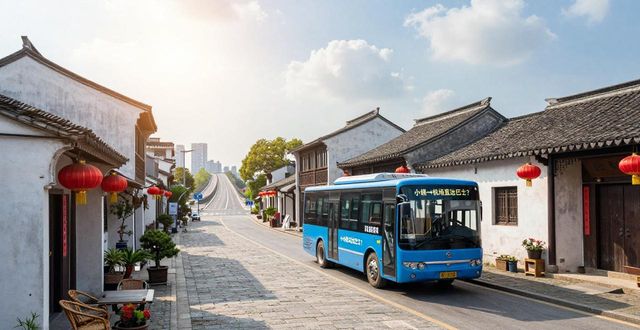
Are there direct bus connections from small towns to major airports
While high-speed trains dominate the conversation, buses fill a critical gap in China’s public transportation connections, especially for smaller towns and rural areas. Many small towns do not have direct high-speed rail links, but they are almost always connected by long-distance buses to the nearest major airport. These buses are operated by provincial transportation companies and run on fixed schedules. For example, a town like Yangshuo in Guangxi has direct buses to Guilin Liangjiang International Airport, taking around one and a half hours. The buses are comfortable, air-conditioned, and cost significantly less than a taxi. You can buy tickets at the local bus station or through apps like Ctrip and Fliggy. One thing to note is that bus schedules are less frequent than trains, so it is wise to check the departure times a day in advance. Also, bus stations in smaller towns may have limited English signage, so having a translation app ready is helpful. Despite these minor inconveniences, bus connections are reliable and affordable, making them a practical choice for budget-conscious travelers and those exploring off-the-beaten-path destinations.
How do I transfer between different subway lines in big cities
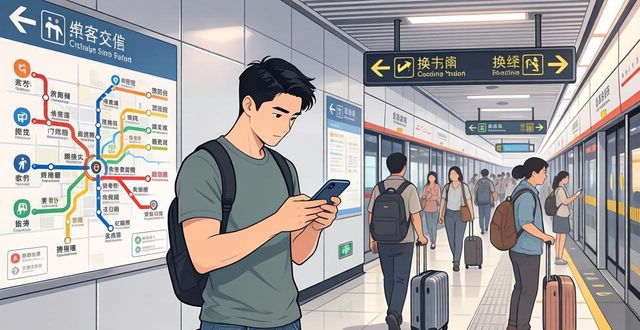
Transferring between subway lines in China’s megacities is an experience that balances efficiency with complexity. In cities like Shanghai, Beijing, and Shenzhen, subway stations often have multiple levels and long walking corridors between different lines. For instance, the transfer at People’s Square Station in Shanghai between Lines 1,2, and 8 can involve walking up to 800 meters underground. The good news is that signage is consistent and includes English translations alongside Chinese characters. Color-coded lines make it easy to follow your route. Many stations also have digital maps showing real-time train positions and estimated waiting times. The critical point to remember is that you usually do not need to exit the ticketed area to transfer. Your single ticket or transit card covers the entire journey as long as you stay inside the turnstiles. This means you can transfer multiple times without paying extra. If you get lost, station staff are generally helpful, and using a translation app to show your destination line number works well. The biggest challenge is during peak hours, typically 7:30-9:00 AM and 5:30-7:00 PM, when trains and corridors are packed. Planning your travel outside these windows makes transfers much smoother.
The public transportation connections in China are not just a means of travel; they are a reflection of the country’s investment in accessibility and efficiency. For foreign visitors, the initial learning curve is real, but once you understand how trains, subways, and buses link together, the entire country becomes easy to navigate. The key is to rely on official apps, allow extra time for first-time transfers, and always have a backup plan for language barriers. With a bit of preparation, you can move from a rural village to a bustling metropolis without ever needing a private car.