
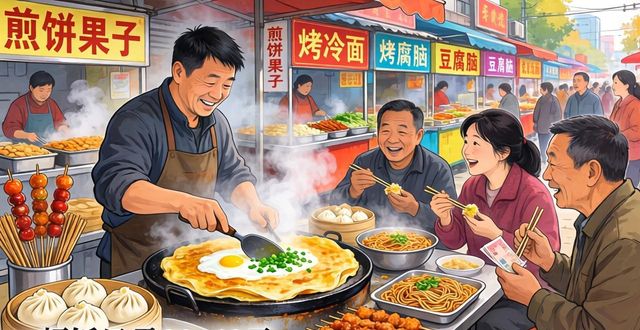
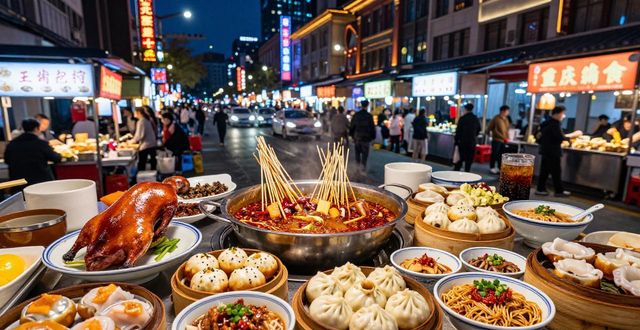
Street food in Chinese cities is more than just a quick bite—it’s a window into daily life, local culture, and centuries-old culinary traditions. From sizzling skewers in bustling night markets to steaming dumplings in quiet alleyways, the variety is staggering. For travelers and food lovers alike, navigating this vibrant scene can be overwhelming but deeply rewarding. Understanding what to try, where to go, and how to eat like a local makes all the difference.
What makes Chinese street food so unique
Chinese street food stands out for its bold flavors, fresh ingredients, and the sheer creativity of vendors. In cities like Xi’an, you’ll find lamb skewers seasoned with cumin and chili, grilled over charcoal until smoky and tender. In Shanghai, xiaolongbao—soup dumplings—are served steaming hot, their thin skins hiding a burst of savory broth. Every region has its signature: Chengdu is famous for spicy cold noodles and numbing mapo tofu on sticks; Guangzhou offers cheung fun,silky rice noodle rolls drizzled with soy sauce.

But the experience goes beyond taste. The open-air cooking, the chatter of locals, the sight of a vendor skillfully flipping a pancake or pulling noodles by hand—it’s immersive. And affordability is a huge draw. A full meal can cost as little as 20 to 40 yuan, roughly 3 to 6 US dollars. For budget-conscious travelers, that’s a game changer.
You also get to see ingredients and techniques up close. No mystery kitchens. You watch your food being made, often right in front of you. That transparency builds trust and adds to the excitement. It’s a far cry from packaged or processed food.
How to stay safe while enjoying street food
Many first-timers worry about hygiene, and it’s a valid concern. But with a few sensible precautions, you can enjoy street food without issues. First, look for busy stalls. High turnover means fresher ingredients and less time for food to sit around. If locals are lining up, that’s a good sign.
Pay attention to how vendors handle food. Are they using gloves or tongs? Is raw meat kept separate from cooked items? Trust your instincts. And watch for cooking temperatures—food that’s fried, grilled, or boiled at high heat is generally safer than raw or lukewarm items.
Another tip: eat where you see families and office workers. These are repeat customers who care about quality. Avoid stalls with flies or unclean surfaces. Also, drink bottled water, not tap, and skip ice unless you’re sure it’s made from purified water.
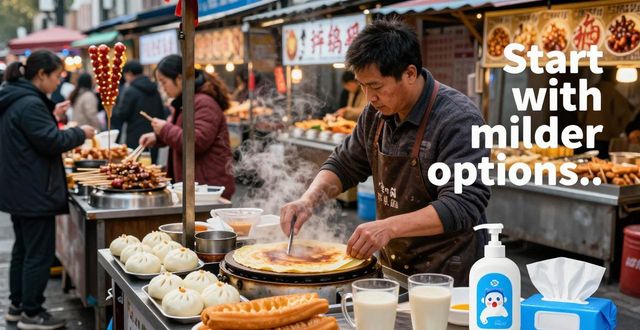
Start with milder options if you have a sensitive stomach. Jianbing (Chinese crepes) or steamed buns are gentle entries. Spicy skewers can wait until you’ve adjusted. And carry hand sanitizer or wet wipes—many stalls don’t have sinks readily available.
Above all, listen to your body. If something tastes off, don’t finish it. And don’t be afraid to ask questions. Most vendors are happy to explain what’s in their dishes, especially if you smile and show interest.
Street food in Chinese cities is an adventure worth taking. It’s real, it’s alive, and it connects you to the heartbeat of urban China. With a little curiosity and common sense, you’ll walk away with full stomach and lasting memories.