
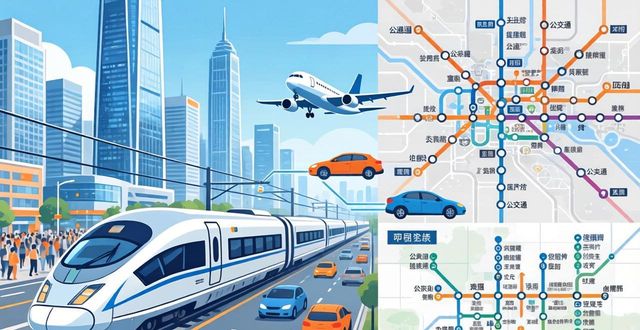
China’s public transportation system is one of the most extensive and efficient in the world, connecting cities,suburbs, and rural areas through a tightly woven network of trains, buses, subways, and ferries. For foreign travelers, understanding how these connections work can make the difference between a smooth journey and a frustrating one. The system is designed for speed and scale, but it also requires some local know-how to navigate effectively.
How do I connect between high-speed trains and local metros

The backbone of China’s public transportation is its high-speed rail network, which links nearly every major city. Upon arriving at a high-speed rail station, you will almost always find a direct connection to the local metro system. Stations like Beijing South, Shanghai Hongqiao, and Guangzhou South are built as integrated hubs, meaning you can walk from the train platform to the metro entrance without stepping outside. Signage is bilingual in most major stations, so you can follow English indicators for “Metro” or “Subway.” However, ticket machines for the metro often require a Chinese ID or WeChat Pay, so it is wise to keep small amounts of cash or download Alipay beforehand. If you get lost, station staff are generally helpful, though English proficiency varies. A good rule is to screenshot your destination station name in Chinese characters before you travel.
Can I use one payment method for all public transport
This is one of the most practical questions for any foreign visitor. The short answer is yes, but with some preparation. Alipay’s “Transport” feature now supports metro and bus QR codes in over 300 Chinese cities. Once you set it up in the app, you can scan to board subways and buses without buying individual tickets. WeChat Pay offers a similar function. For high-speed trains, you will need a separate app like “12306” or use the official website, which now has an English version. Taxis and ride-hailing services like Didi also integrate with Alipay. The key is to link your international credit card to Alipay before you arrive, as some features require verification. Cash is still accepted on buses and metros, but it is slower and not always convenient. Having one digital wallet simplifies your entire journey.
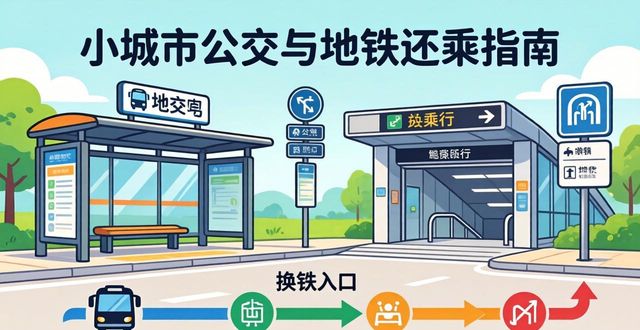
How do I transfer between bus and metro in smaller cities
While first-tier cities have seamless transfers, smaller cities like Kunming, Guiyang, or Lanzhou present more challenges. Bus routes may not directly align with metro lines, and English signage is less common. In these places, the best strategy is to use a map app like Baidu Maps or Amap, which offer real-time transit directions. These apps show you the exact bus stop where you can transfer to a metro station, including walking time. Bus fares are typically 1 or 2 yuan, and you can pay with the same Alipay QR code used for the metro. One practical tip: in smaller cities, buses often stop running by 9 PM, so plan your connections early. If you miss the last bus, ride-hailing apps remain reliable, even in less developed areas.
What is the best way to plan a multi-city trip using public transport
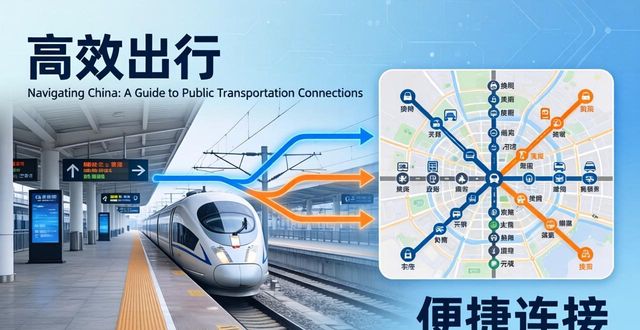
For a multi-city itinerary, the high-speed rail network is your strongest asset. You can travel from Beijing to Shanghai in about four and a half hours, or from Shanghai to Hangzhou in under an hour. The key is to book tickets in advance, especially during Chinese holidays, as seats sell out quickly. Use the 12306 app to search for trains between cities, and pay attention to the station names—some cities have multiple stations, like Shanghai Hongqiao and Shanghai Railway Station. Once you arrive at a new city, the local metro will get you to most central areas. For example, after arriving at Chengdu East, you can take Metro Line 7 directly to the city center. Always allow at least 30 minutes for transfer time within the station, as security checks can cause delays.
China’s public transportation connections are built for efficiency, but they reward those who prepare ahead. By downloading the right apps, understanding transfer points, and planning your payment method, you can move between cities and within them with ease. The system is not always intuitive for first-time foreign travelers, but once you grasp the basic patterns, the entire network becomes a reliable tool for exploring the country.