
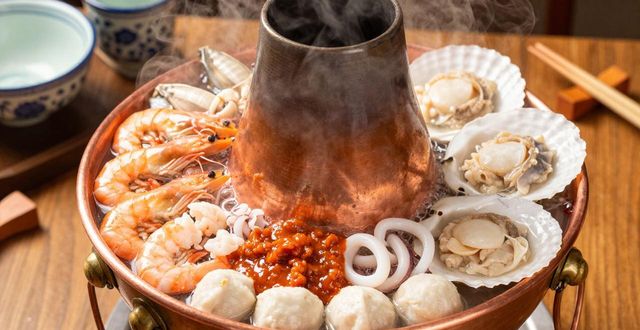
If you are new to hot pot, the array of ingredients laid out on the table can feel overwhelming. Traditional hot pot is more than just a meal—it is a shared experience built around fresh ingredients, simmering broth, and personal dipping preferences. At its core,the selection of ingredients is designed to offer variety in texture, flavor, and cooking time.
Thinly sliced meats are the foundation of any traditional hot pot spread. Beef, lamb, and pork are sliced paper-thin so they cook in seconds when swished through the bubbling broth. The marbling in these cuts provides richness, while the quick cooking preserves tenderness. Many regulars insist on starting with a plate of fatty beef brisket to season the broth right from the beginning.

Seafood also plays a significant role, especially in regions near the coast. Shrimp, fish fillets, squid, and scallops are common choices. Some prefer whole shrimp with shells on for extra flavor, while others go for peeled varieties for convenience. Fish balls and shrimp paste are also popular, offering a bouncy texture that soaks up the broth beautifully.
Vegetables and tofu provide balance and freshness. Leafy greens like spinach, napa cabbage, and watercress are favorites because they wilt quickly and absorb the savory broth. Enoki mushrooms, shiitake mushrooms, and wood ear fungus add earthy depth. Tofu comes in many forms—silken, firm, or fried—each bringing a different mouthfeel. Tofu skin and tofu puffs are especially good at trapping broth inside.
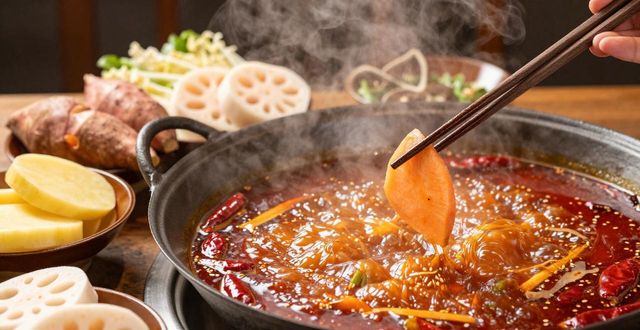
Starchy ingredients round out the meal and help fill you up. Potato slices, sweet potato, lotus root, and taro are common. They take a bit longer to cook, so many people drop them in early and let them simmer. Noodles are often saved for the end, cooked in the now-flavored broth to create a satisfying final course.
Dipping sauces are where personal preference truly shines. A basic sauce might include sesame paste, garlic, chopped scallions, and a splash of soy sauce. Others add chili oil, vinegar, or fermented bean paste. Some people mix their own bowl before the meal even starts, while others build it as they go, adjusting with each bite.
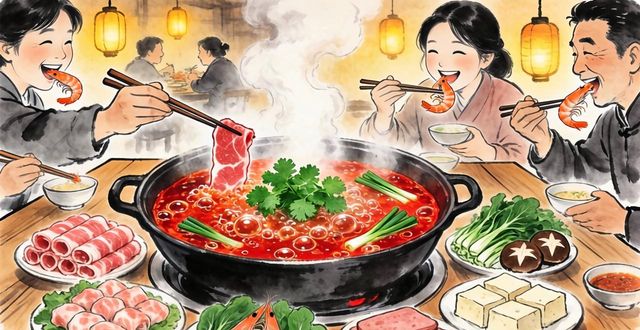
Traditional hot pot ingredients are chosen not just for taste, but for how they interact with the broth and the company around the table. The slow boil, the shared pot, and the endless combinations make every meal unique. Whether you are a first-timer or a seasoned eater, understanding these staples helps you build a bowl that feels just right for you.