
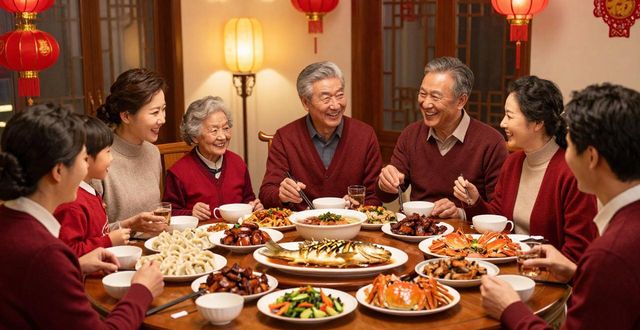
The Spring Festival, also known as Chinese New Year, is the most important traditional holiday in China. It is a time for family reunions, feasting, and celebrating the beginning of a new lunar year. For foreigners, understanding these customs can help you appreciate the culture, avoid awkward mistakes, and even join in the fun. Let’s dive into the key traditions you should know.
Why do people clean their houses before the festival
A few days before the Spring Festival, Chinese families thoroughly clean their homes. This is not just about tidiness. The tradition believes that cleaning sweeps away bad luck from the past year and makes room for good fortune. But there is a catch. You must finish cleaning before New Year’s Eve. If you sweep or take out trash during the first few days of the new year, you might be throwing away good luck. Many foreigners find this rule surprising, but it is taken very seriously. So if you are visiting a Chinese home, do not offer to sweep the floor during the holiday.
Another interesting point is that some families decorate their doors with red paper cutouts and couplets. These are usually poetic lines wishing for happiness and prosperity. Red is the dominant color because it symbolizes good luck and wards off evil spirits. You will see this color everywhere, from lanterns to clothes.
What is the significance of the New Year’s Eve dinner

The New Year’s Eve dinner, called “nian ye fan,” is the heart of the celebration. It is a huge family feast that often includes dishes with symbolic meanings. For example, fish is a must-have because the Chinese word for fish sounds like “surplus.” Eating fish represents having abundance in the coming year. Dumplings are also popular, especially in northern China. Their shape resembles ancient Chinese gold ingots,so they symbolize wealth.
If you are invited to such a dinner, expect a lot of food. Do not eat everything on your plate, as leaving some food indicates that the host has provided more than enough. Also, avoid sticking your chopsticks upright in a bowl of rice. This resembles incense sticks used at funerals and is considered bad luck. Instead, rest them on the chopstick holder or the edge of your plate.
How do red envelopes work in modern times
Red envelopes, or “hong bao,” are gifts of money given during the Spring Festival. Traditionally, elders give them to children and unmarried young adults. The amount should be an even number, as odd numbers are associated with funerals. But avoid the number four, which sounds like death. Eight is a lucky number, so amounts like 88 or 888 are common.
Today, digital red envelopes are popular through apps like WeChat. People send small amounts to friends and family groups for fun. If you receive a red envelope, thank the giver with both hands and do not open it in front of them. That would be seen as greedy. For foreigners, it is a good idea to have some small bills ready if you plan to give red envelopes to children you meet.
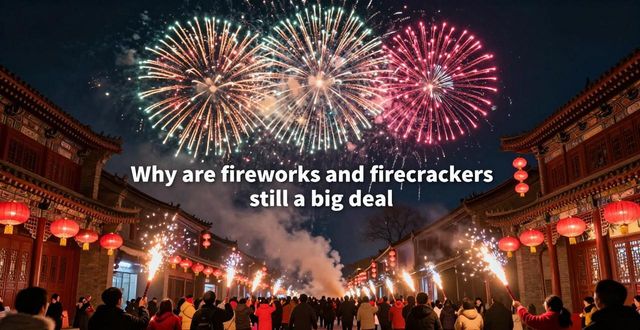
Why are fireworks and firecrackers still a big deal
Fireworks and firecrackers have a long history in Spring Festival customs. The loud noises are believed to scare away a mythical beast called Nian, which used to attack villages at the start of the new year. Today, the practice continues in many places, though some cities have banned them due to safety and pollution concerns.
If you are in a place where fireworks are allowed, be prepared for sudden loud sounds late at night. Earplugs can help if you are a light sleeper. Also, never set off fireworks without proper safety gear or supervision. Many accidents happen during this period. Watching a professional fireworks display is safer and equally enjoyable.
What should you wear during the Spring Festival
Red is the dominant color for clothing during the Spring Festival. It brings good luck and happiness. Many people buy new clothes, especially red ones, to wear on New Year’s Day. Black and white are avoided because they are associated with mourning. If you are invited to a celebration, wearing something red or bright will be appreciated.
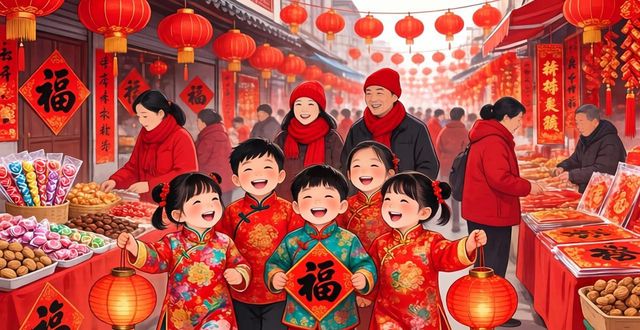
Children often wear traditional outfits like “tang zhuang” or “qipao,” but adults usually go for modern red clothing or accessories. A red scarf or a red hat is enough to show respect for the tradition. Just avoid wearing all black or all white unless you want to confuse your hosts.
How to greet people properly during the festival
Greetings are important during the Spring Festival. The most common phrase is “Xin Nian Kuai Le,” which means Happy New Year. You can also say “Gong Xi Fa Cai,” which means wishing you prosperity. When greeting elders, use both your hands to hold theirs or bow slightly. This shows respect.
Avoid saying negative words like death, illness, or poverty. Even joking about these topics is considered bad luck. Instead, focus on positive wishes like good health, wealth, and happiness. If you meet someone who speaks English, a simple “Happy New Year” works too.
Spring Festival customs are rich with history and meaning. By understanding these traditions, you can enjoy the festival more fully and connect with Chinese friends and family on a deeper level. Whether you are eating dumplings, watching fireworks, or receiving a red envelope, remember that the core of the celebration is about togetherness and hope for a fresh start.