
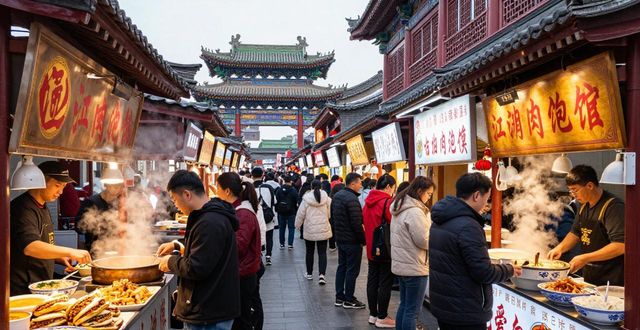
Xi’an is not just the home of the Terracotta Warriors. It is one of China’s most exciting food cities, with a culinary history that stretches back over a thousand years. If you are planning a trip here, you probably already know that the food is a huge part of the experience. But navigating the Muslim Quarter, understanding the street stalls, and knowing what to order can be overwhelming. That’s where a food tour comes in. A good food tour does more than feed you. It opens doors to flavors and stories you would never find on your own.
What makes Xi’an food tours different from other cities

Xi’an sits at the crossroads of Chinese and Central Asian cultures. This unique position has created a food scene unlike anywhere else in China. The most obvious example is the Muslim Quarter, home to the Hui ethnic minority. Their cuisine blends traditional Chinese cooking techniques with halal ingredients and Middle Eastern influences. On a food tour here, you will taste things like lamb skewers grilled over charcoal, pita bread soaked in rich lamb soup, and cold noodles drenched in chili oil and vinegar. A local guide can explain why the noodles are pulled by hand, why the bread is torn instead of cut, and how these recipes have survived for generations. You will also visit hidden alleys where the best stalls are tucked away, far from the tourist crowds. These are places that rarely show up on Google Maps or travel blogs. A food tour gives you access to them in a way that feels natural and respectful, not rushed or superficial.
Another thing that sets Xi’an apart is the sheer variety within a small area. Within a ten-minute walk, you can go from a steaming bowl of dumplings to a crispy sesame cake stuffed with spiced beef, then to a glass of sour plum juice made from a family recipe. The density of food in the Muslim Quarter is staggering. A good guide knows which stalls have been run by the same family for three or four generations, and which ones have changed hands recently. This kind of local knowledge transforms a simple eating walk into a cultural deep dive. You are not just tasting food. You are tasting history, migration, and survival.
How to choose the right food tour for your trip
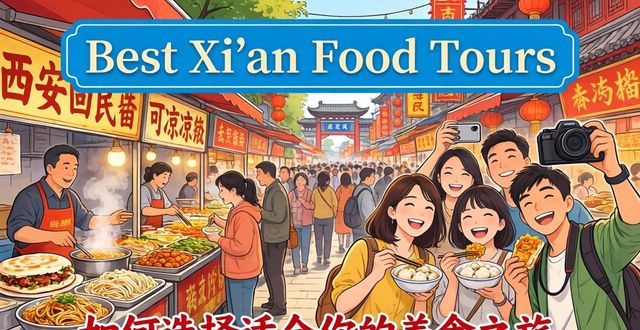
Not all food tours are created equal. Some are designed for quick Instagram stops, while others focus on deep storytelling and hands-on experiences. If your goal is to understand the culture behind the food, look for small group tours with no more than six to eight people. Smaller groups mean more interaction with the guide and more time at each stop. You want a tour that includes at least eight to ten tastings, not just samples the size of a spoonful. A proper tasting should feel like a real meal by the end. Some of the best tours also include a sit-down meal, like a full serving of yangrou paomo, where you tear the bread yourself and watch the broth being poured.
Language is another factor. If you are not fluent in Chinese, choose a tour led by an English-speaking guide who has lived in Xi’an for several years. They should be able to explain not just what you are eating, but why it matters. For example, biangbiang noodles are not just wide noodles. They are named after the sound of the dough slapping against the counter, and the character for biang is one of the most complex in the Chinese language, with over 50 strokes. A good guide will tell you that story while you chew. They will also help you navigate spice levels, dietary restrictions, and the etiquette of eating at a busy street stall. You do not want to be the person who accidentally grabs the wrong kind of chopstick or drinks the wrong tea at the wrong time.
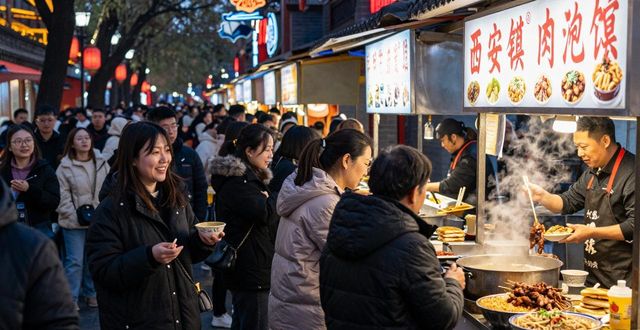
Timing also matters. Evening tours tend to be more lively, with the Muslim Quarter fully lit and packed with locals and travelers alike. Morning tours are quieter and often include breakfast items like hu la tang, a spicy pepper soup that wakes you up better than coffee. If you are short on time,a three-hour tour can cover the highlights. If you really want to dig in, look for a four- or five-hour tour that includes a visit to a local market or a home kitchen. Either way, make sure the tour operator is licensed and insured. The best ones are run by locals who grew up in the city and still live there today. They do not just memorize a script. They share their own memories, their favorite childhood snacks, and the places they still go to on their days off.
A food tour in Xi’an is not just about eating. It is about connecting with a city that has been feeding travelers for over a thousand years. Every bite tells a story, and a good guide helps you hear it.