
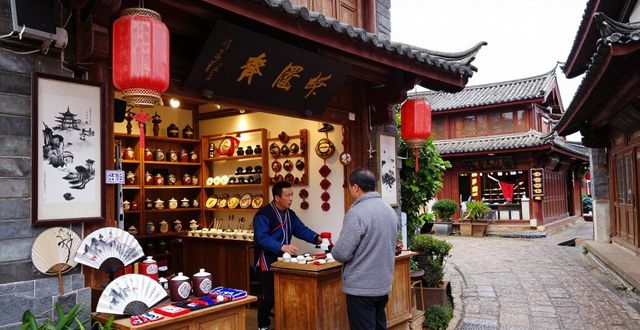
Old town shops in China are more than just places to buy souvenirs. They are living museums of culture, craft, and daily life. These shops, tucked inside ancient alleyways and historic districts, offer travelers a rare glimpse into the country’s rich heritage. Walking through these narrow streets, you don’t just see old buildings — you smell incense, hear the clatter of a carpenter’s hammer, and taste freshly made street food. For foreign visitors, these shops are the heartbeat of China’s past, still beating strong today.
What makes old town shops in China so special

Old town shops in China are not like modern malls. They are small, often family-run, and have been passed down through generations. In places like Lijiang, Pingyao, or Chengdu’s Jinli Ancient Street, you can find shops that sell handmade tea, hand-painted fans, or traditional Chinese medicine. The shopkeepers are often artisans themselves. They can tell you how a piece of silk was dyed or how a porcelain vase was fired. This personal touch is something you rarely get in big cities. It’s not just about buying — it’s about connecting with someone’s life story.
These shops also preserve skills that are disappearing. For example, in some old town shops in China, you can watch a craftsman carve a seal or paint a landscape on a paper fan. These are not mass-produced items. Each piece is unique. Foreign visitors often find this deeply meaningful. Instead of buying a plastic keychain, they take home a piece of art that carries history. The atmosphere in these shops is also different. There is no loud music or bright neon lights. Instead, you hear the soft sound of bamboo brushes on paper or the gentle boiling of water for tea. It’s a slower, more thoughtful way to shop.
How to find the best old town shops in China
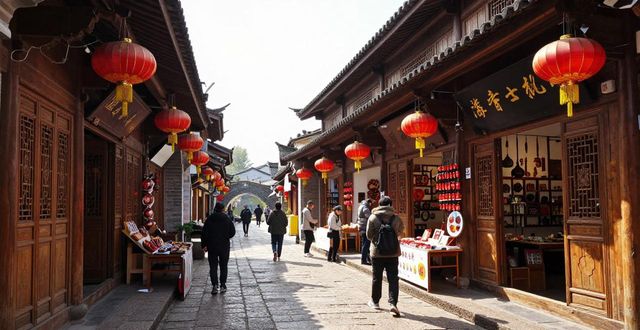
If you want to experience real old town shops in China, you need to look beyond the main tourist streets. Many popular spots like Beijing’s Nanluoguxiang or Shanghai’s Tianzifang are crowded and commercial. The real gems are often in side alleys. Ask local people or your guesthouse owner for recommendations. They often know a small shop that sells handmade dumplings or a tiny store that repairs antique clocks. These shops might not have fancy signs, but they are full of character.
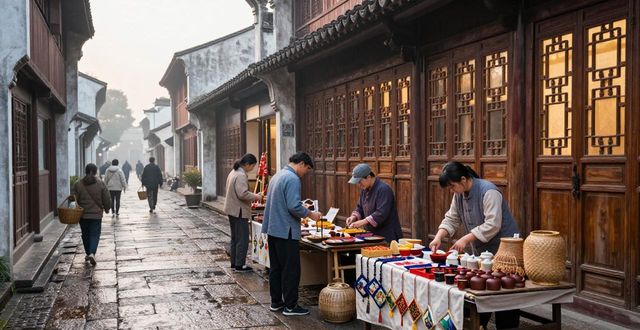
Another tip is to visit early in the morning. That’s when shopkeepers are preparing their goods and the streets are quiet. You can watch them set up their stalls, arrange their wares, and sometimes even chat with them before the crowds arrive. Old town shops in China are also usually open late into the evening, but mornings offer a more authentic experience. Also, don’t be afraid to bargain. In many old town shops, haggling is expected. But do it politely and with a smile. It’s part of the cultural exchange.
Finally, pay attention to what is being sold. Some old town shops in China sell items that are specific to a region. For example, in Yunnan, you might find handwoven fabrics from ethnic minorities. In Suzhou,you can find silk embroidery. In Xi’an, calligraphy brushes and ink stones. These regional specialties tell you a lot about local history and customs. Buying from these shops supports local families and keeps traditions alive. For a foreign traveler, it’s a way to bring a piece of China’s soul back home.