
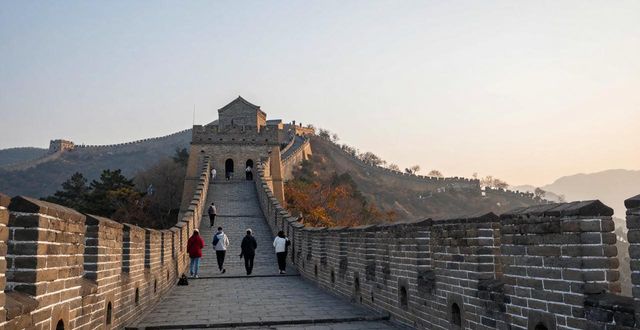
China is a photographer’s dream, offering everything from futuristic city skylines to ancient temples and vast natural landscapes. Whether you are a beginner or a seasoned traveler, knowing a few practical photography tips can make a huge difference. This article covers the essential dos and don’ts to help you capture stunning images while navigating China’s unique cultural and environmental conditions.
How to handle crowds and get clean shots

One of the biggest challenges when photographing in China is the sheer number of people. Popular spots like the Great Wall, the Bund in Shanghai, and West Lake in Hangzhou are almost always packed. You need to adjust your timing and technique to avoid getting dozens of strangers in every frame. Wake up early, ideally before sunrise, to reach famous sites when they first open. This gives you a solid 30 to 60 minutes of relatively quiet shooting before the crowds arrive.
Another useful trick is to use a longer focal length lens, like a 70-200mm, to isolate details and frame your shots tightly. Instead of trying to capture the entire square or temple, focus on a small section, such as a decorative roof corner or a single street vendor. This approach works particularly well in places like the Forbidden City or the ancient alleys of Beijing’s hutongs. Also, consider using a neutral density filter to create long exposures of moving crowds, turning them into ghostly blurs while keeping the background sharp. This technique is especially effective at busy intersections in Hong Kong or Nanjing Road.
What camera gear is practical for China travel
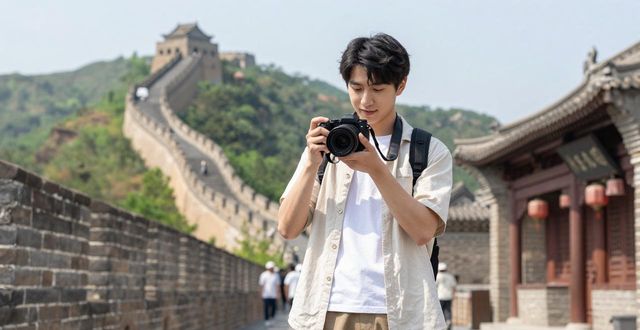
You do not need to bring your entire studio to China. In fact, carrying too much gear can slow you down and attract unwanted attention. A lightweight mirrorless camera with a versatile zoom lens, such as a 24-70mm f/2.8, is ideal for most situations. This setup covers landscapes, portraits, and street photography without forcing you to switch lenses constantly. If you prefer prime lenses, a 35mm or 50mm f/1.8 is compact and excellent for low-light conditions, especially in temples and evening markets.
Battery life is a real concern. Many scenic spots in China, like Zhangjiajie National Forest Park or the rice terraces of Longji, are far from power outlets. Bring at least two fully charged spare batteries and a power bank that can charge your camera via USB if possible. Also, pack a small travel tripod that weighs under one kilogram. It is essential for sunrise and night shots, but many indoor attractions and museums ban tripods entirely. Always check the rules before setting up your gear. Finally, consider a polarizing filter to cut through haze and enhance the blue sky, which is especially useful in smog-prone cities like Beijing or Chengdu.
How to respect local culture while taking photos
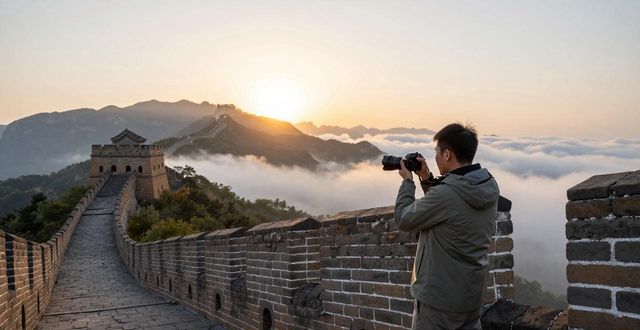
Taking pictures in China is generally welcomed, but you must be mindful of local customs and privacy. Never photograph military installations, border areas, or government buildings. This rule is strictly enforced, and breaking it can lead to confiscation of your gear or worse. Also, avoid taking close-up portraits of strangers without asking for permission first. In rural areas, especially in Tibet or Yunnan, some locals believe a camera can steal their spirit. A simple smile and gesture asking for consent goes a long way.
When visiting temples or religious sites, always turn off your flash and avoid disruptive behavior. Monks and worshippers appreciate silence and respect. If you want to photograph inside a temple, look for signs indicating whether photography is allowed. In some places,you can buy a photography pass for a small fee. Also, be careful when photographing street performers or artisans. Many expect a small tip in return for a picture. Handing over a few yuan or buying a small item from them shows good faith and keeps the interaction positive.