
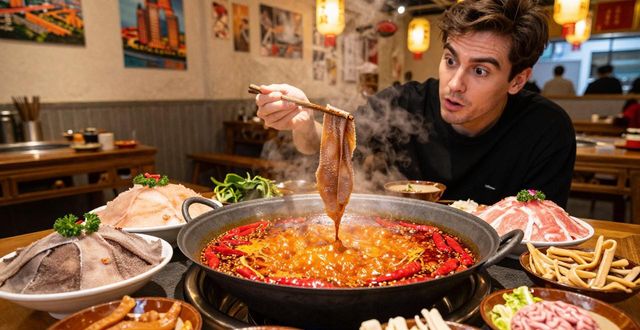
If you’ve never tried hot pot in Chongqing, you haven’t really experienced Chinese food culture. This isn’t just a meal—it’s a fiery ritual, a social event, and a test of your spice tolerance all rolled into one bubbling pot. For foreigners visiting China, Chongqing hot pot stands out as one of the most authentic and unforgettable culinary adventures you can have.
What makes Chongqing hot pot different from other hot pot styles
You might have tried hot pot in Beijing or Sichuan, but Chongqing hot pot is in a league of its own. The most obvious difference is the broth. It’s not just spicy—it’s a deep, oily, numbing experience powered by a heavy dose of Sichuan peppercorns and dried chilies. The base is made with beef tallow,which gives the soup a rich, savory flavor that stays on the ingredients even after a quick dip.

Unlike the milder broths found in other regions, Chongqing’s version is intentionally intense. Locals believe the spiciness is what cleanses your palate and makes every bite exciting. If you’re someone who loves bold flavors, this is your paradise. But even if you’re not a spice lover, you can still enjoy it—most restaurants offer a split pot with a mild broth on one side, often called a “yuanyang” pot.
Another key difference is the dipping sauce. In Chongqing, you don’t drown your food in sesame sauce or peanut butter. Instead, you get a small bowl of sesame oil, minced garlic, chopped cilantro, and a dash of vinegar. This simple combination cools down the heat and enhances the natural flavors of the meat and vegetables.
What foreigners need to know before going to a Chongqing hot pot restaurant
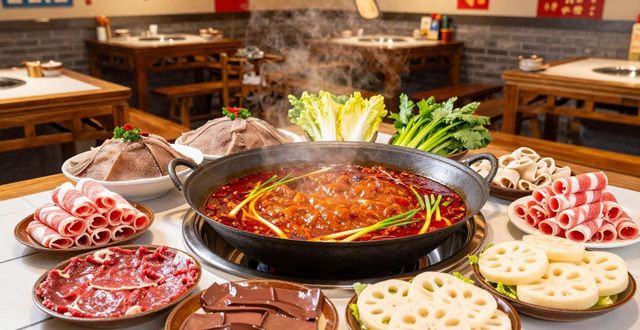
First, don’t be afraid of the menu. Many hot pot places in Chongqing don’t have English menus, but that’s not a problem if you prepare a little. Common ingredients include thinly sliced beef, lamb, tripe, duck blood, tofu skin, lotus root, and leafy greens. If you’re adventurous, try the beef tripe—it’s a local favorite and has a satisfying crunchy texture when cooked just right.
Second, know the cooking timing. Some ingredients cook in seconds, while others take several minutes. Thin slices of meat only need about 10 to 15 seconds in the boiling broth. Overcook them, and they become tough. Vegetables and tofu need a bit longer. If you’re unsure, watch the locals or ask your server—they’re usually happy to help.
Third, pace yourself. Chongqing hot pot is a marathon, not a sprint. The broth gets spicier as it boils and reduces, so if you’re not used to it, start with milder ingredients and drink plenty of water or beer. Many locals also order a bowl of rice to balance the heat.
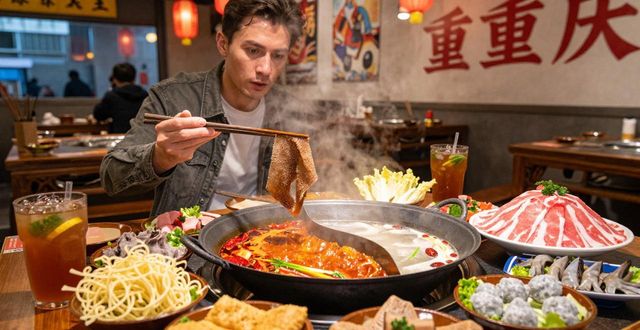
Finally, don’t forget the atmosphere. The best hot pot experiences happen in crowded, noisy restaurants where steam rises from every table and people are laughing and talking loudly. This is part of the charm. You’re not just eating—you’re participating in a local tradition that brings people together.
Chongqing hot pot is more than food. It’s a journey into the heart of the city’s culture, where spice and community meet in a single bubbling pot. Whether you’re a seasoned traveler or a first-time visitor, this is one experience you won’t want to miss.