
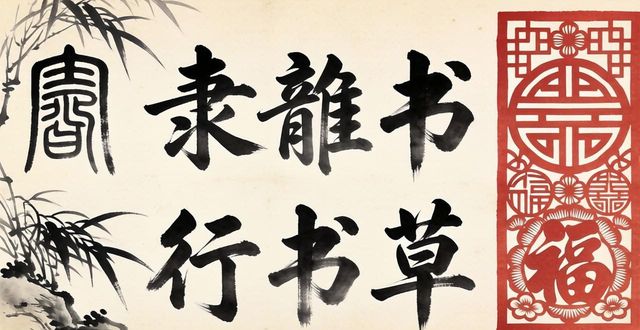
Chinese calligraphy and paper cutting are two of the most cherished traditional arts in China, each with a history that stretches back thousands of years. They are not just decorative crafts but profound expressions of Chinese philosophy, culture, and aesthetic values. For anyone curious about Chinese culture, understanding these art forms offers a window into the soul of a civilization that values harmony, patience, and the beauty of simplicity.
What Makes Chinese Calligraphy a Unique Art Form
Chinese calligraphy is far more than just writing characters. It is a visual art that captures the rhythm, energy, and emotion of the writer through the brush. Each stroke carries meaning, and the way a character is written can reveal the personality and mood of the calligrapher. The tools used—brush, ink, paper, and inkstone—are collectively known as the “Four Treasures of the Study,” and mastering them takes years of practice and discipline.

When you first look at a piece of calligraphy, you might notice how the ink flows from thick to thin, dark to light. This is not random. It reflects the calligrapher’s breath and movement. The five major script styles—seal, clerical, regular, running, and cursive—each have their own rules and beauty. Regular script,for example, is clear and structured, while cursive script is wild and free, almost like abstract art. Many foreigners find that even without knowing Chinese, they can appreciate the visual balance and energy of the characters.
For collectors and art lovers, calligraphy is also a meditative practice. Writing characters slowly and deliberately can calm the mind and improve focus. If you are planning to try it yourself, start with basic strokes and simple characters like “永” (eternity), which contains all the essential brush techniques. Over time, you will develop not only skill but also a deep appreciation for the cultural stories behind each character.
How Paper Cutting Brings Stories to Life
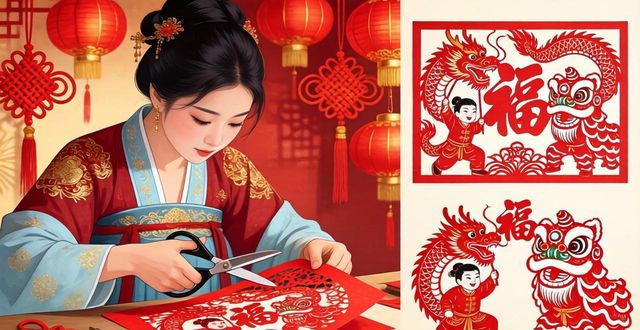
Paper cutting, or “jianzhi,” is another folk art that surprises many foreigners with its intricacy. Artists use scissors or knives to cut patterns from a single sheet of paper, creating scenes that often tell stories from Chinese folklore, celebrate festivals, or symbolize good luck. The most common motifs include dragons, phoenixes, flowers, and Chinese characters for happiness and longevity.
Unlike calligraphy, which relies on ink and brush, paper cutting is all about negative space. The artist must imagine the final image in reverse, cutting away parts of the paper to leave the design behind. This requires incredible spatial awareness and precision. Some paper cuttings are incredibly detailed, with tiny gaps that seem impossible to achieve with scissors. In rural China, women would gather together to practice this art, passing traditions from mother to daughter.
What makes paper cutting so accessible is that anyone can try it, even without special training. You only need paper and a pair of sharp scissors. For beginners, start with simple symmetrical designs like a butterfly or a window flower. As you improve, you can attempt more complex scenes like the twelve zodiac animals or traditional wedding symbols. Many foreigners enjoy making paper cuttings as a hands-on way to connect with Chinese culture, and the results make beautiful decorations or personalized gifts.
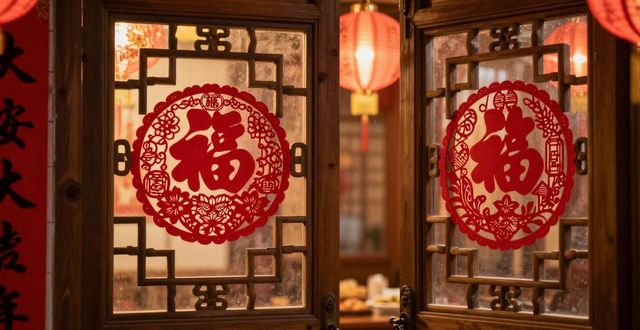
If you ever visit China during the Spring Festival, you will see red paper cuttings pasted on windows and doors. Red is the color of good fortune, and the cuttings are believed to ward off evil spirits and welcome prosperity. Each region has its own style. For example, northern paper cuttings are often bolder and more rustic, while southern styles are finer and more delicate. Exploring these differences can be a fascinating cultural journey in itself.
Both calligraphy and paper cutting remind us that art does not have to be complicated to be powerful. They invite us to slow down, pay attention to detail, and find joy in the simple act of creating. Whether you are an artist, a collector, or just a curious traveler, these traditional arts offer endless opportunities for learning and inspiration.