
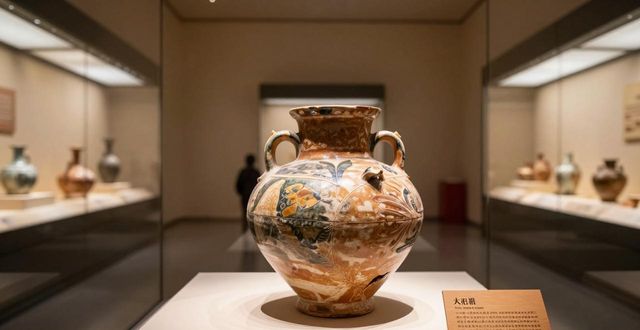
The Palace Museum, housed within Beijing’s Forbidden City, holds one of the most significant collections of Chinese art and artifacts in the world. With over 1.8 million items spanning 5,000 years of history, the collection is not just a display of imperial luxury but a window into the cultural soul of China. For first-time visitors and seasoned art lovers alike, knowing what to look for can transform a casual visit into a meaningful journey.
What makes the Palace Museum collection so special
The sheer scale of the Palace Museum collection is staggering. It includes paintings, ceramics, jade, bronze, calligraphy, clocks, furniture, and imperial seals. What sets it apart is not just the quantity but the quality and historical continuity. Many pieces came directly from the Ming and Qing imperial courts, meaning they were crafted by the best artisans of their time and used by emperors, empresses,and their courts.

Take the ceramic collection, for example. It spans from Neolithic pottery to exquisite Ming dynasty blue-and-white porcelain. The museum holds some of the finest examples of doucai and falangcai enamel wares, which were made exclusively for the imperial household. These pieces are not only beautiful but also tell stories of trade, technology, and taste across centuries.
Another highlight is the painting and calligraphy collection. Works by masters like Gu Kaizhi, Zhang Zeduan, and Zhao Mengfu are housed here. The most famous is perhaps “Along the River During the Qingming Festival,” a Song dynasty scroll that captures daily life in ancient Bianjing. Seeing it in person is an experience no photograph can replicate.
How to plan your visit to see the best artifacts
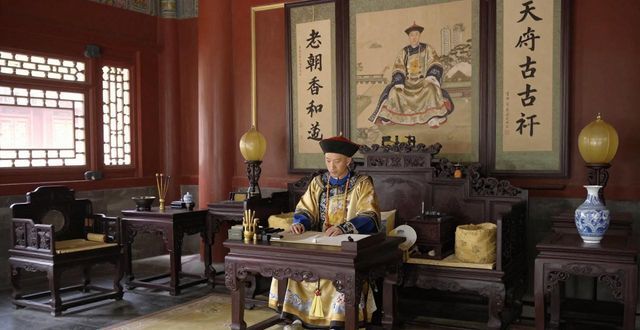
Given the museum’s enormous size, you cannot see everything in one day. Focus on a few key halls and galleries. Start with the Hall of Mental Cultivation, where many late Qing emperors worked and lived. The interior retains original furnishings and personal items, offering a rare glimpse into imperial daily life.
Next, head to the Treasure Gallery and the Clock Gallery. The clocks are a fascinating blend of Chinese craftsmanship and European engineering, gifted by foreign diplomats or commissioned by emperors curious about Western technology. They are whimsical, ornate, and often still functional.
For jade lovers, the jadeite cabbage with insects is a must-see. This small but intricate piece carved from a single piece of jadeite is one of the museum’s most beloved artifacts. It symbolizes purity and fertility and demonstrates the incredible skill of Qing dynasty jade carvers.
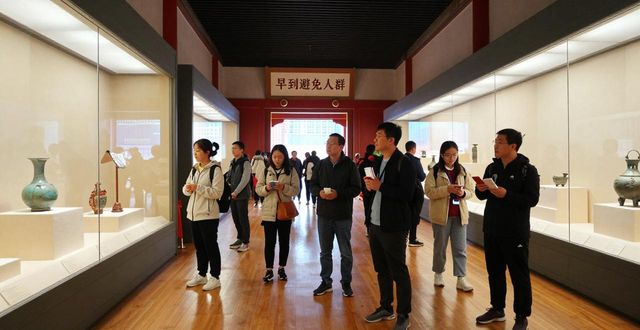
To avoid crowds, arrive early on a weekday, and consider renting an audio guide or joining a small group tour. The museum also offers online ticket booking with timed entry. Wear comfortable shoes, bring water, and allow at least three to four hours for a focused visit.
The Palace Museum collection is not just a set of old objects. It is a living record of Chinese civilization, preserved within the walls of one of the world’s most iconic architectural complexes. Whether you are drawn by art, history, or curiosity, what you find here will stay with you long after you leave.