
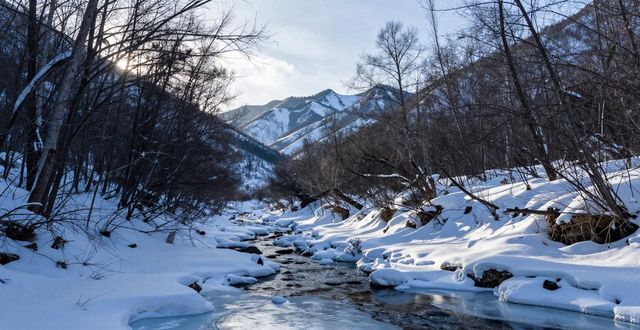
When most travelers think of winter in China, they picture the Great Wall dusted with snow or the icy festivals of Harbin. But there is a quieter, more intimate side to China’s winter landscape—one that unfolds in remote villages, frozen lakes, and misty mountain trails far from the tourist crowds. This article explores three lesser-known destinations where you can experience authentic winter scenery, local culture, and a sense of peaceful isolation that is hard to find on the typical itinerary.
Why choose offbeat winter destinations in China

The main draw of traveling off the beaten path in winter is the opportunity to see a different China—one that feels untouched by mass tourism. In popular spots like Beijing or Zhangjiajie, winter brings fewer crowds, but you still have to contend with ticket queues and commercialized experiences. In contrast, places like Kanas Lake in Xinjiang,the snow-covered rice terraces of Yuanyang in Yunnan, or the ancient village of Hongcun in Anhui offer a raw, unfiltered connection with nature and local life.
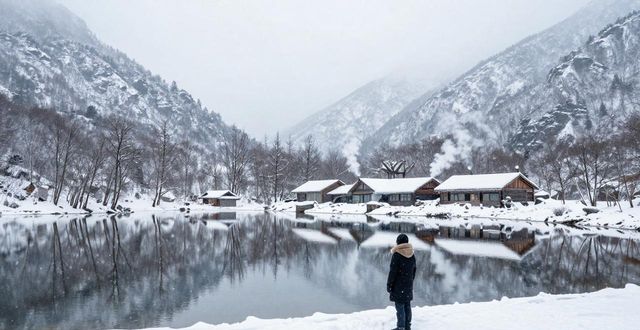
Take Kanas Lake, for example. In winter, the lake freezes over and the surrounding forests are buried under thick snow. The area is home to the Tuvan people, a small ethnic group with traditions tied to reindeer herding and shamanism. You can stay in a wooden cabin, walk across the frozen lake, and listen to the silence broken only by the cracking of ice or the distant call of a bird. It is not a place you go for luxury—it is a place you go to feel small and present.
Another example is the rice terraces of Yuanyang. In winter, the terraces are filled with water, reflecting the gray clouds and morning mist. The Hani minority villages perched on the hillsides add a human element to the landscape. You might wake up at dawn to watch the sun rise over the terraces, the light slowly painting the water in shades of silver and gold. It is a photographer’s dream, but more than that, it is a reminder that beauty does not require fame.
How to prepare for a trip to China’s hidden winter spots
Traveling to these remote areas requires more planning than a standard trip. First, consider transportation. Many offbeat destinations are not well connected by high-speed rail or major airports. For Kanas, you would fly into Urumqi and then take a long drive or a local flight to Burqin County. For Yuanyang, the nearest city is Kunming, followed by several hours on winding mountain roads. It is wise to hire a private driver or join a small-group tour that specializes in offbeat travel.
Accommodation in these areas tends to be basic but charming. You might stay in a guesthouse run by a local family, where the heating comes from a wood stove and the meals are cooked over an open fire. Bring warm clothing, especially thermal layers, waterproof boots, and a good sleeping bag if you have one. The cold is dry but intense, and the nights are long.
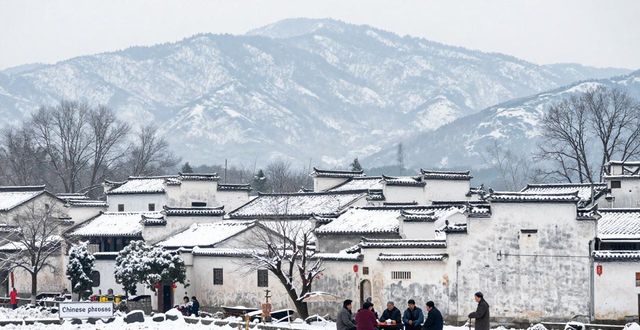
Language can also be a challenge. English is rarely spoken in these villages. It helps to learn a few phrases in Mandarin or download a translation app. But do not let the language barrier discourage you. The locals are often curious and welcoming, and a smile goes a long way. In Hongcun, for instance, an elderly woman might invite you into her home to warm up by the fire and share a cup of tea, even if you cannot exchange more than a few words.
The real reward of traveling off the beaten path in winter is the sense of discovery. You are not following a checklist—you are letting the landscape guide you. Whether it is the sight of a lone fisherman on a frozen river in Xinjiang or the sound of wind blowing through ancient pine forests in Anhui, these moments stay with you long after you return home.