
When you picture Chongqing, imagine a city that defies gravity—a sprawling metropolis carved into steep hills, wrapped in mist, and lit by neon at night. As a writer who has spent years exploring China’s most dynamic urban landscapes, I can tell you that Chongqing is not just a stopover; it’s a destination that demands your attention. Famous Chongqing travel landmarks are not merely tourist spots—they are windows into a city where ancient history, modern engineering, and fiery cuisine collide. From the dazzling riverside skyline to the haunting wartime tunnels, every landmark tells a story. Let me walk you through the ones you absolutely cannot miss.
Why is Hongyadong the most photographed landmark in Chongqing
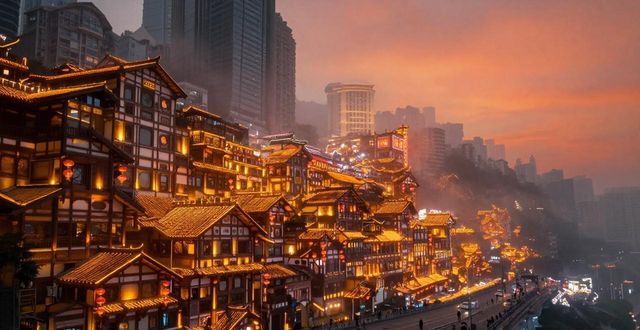
You’ve probably seen the photos before you even book your flight—a cascading cluster of stilted houses glowing gold against the night sky. That’s Hongyadong, arguably the most famous Chongqing travel landmark. Built into the cliffs along the Jialing River, this 11-story complex looks like it stepped out of a Chinese ink painting, but it’s very real and very alive. The reason it draws so many visitors is simple: it offers a sensory overload that’s pure Chongqing. You can wander through narrow alleyways filled with snack stalls selling spicy skewers, step into traditional teahouses, or simply stand on the riverfront promenade and watch the lights reflect on the water.

What most guidebooks won’t tell you is that Hongyadong is best visited at dusk, when the city’s famous fog begins to settle and the lanterns flicker on. The crowds can be intense, so expect to move slowly. But that’s part of the experience. Locals will tell you that the real magic happens when you cross the bridge to the other side of the river and look back—you’ll see the entire structure mirrored in the dark water, and that’s when you understand why this place has become a global icon. Don’t rush through it. Let the chaos wash over you.
What makes the Yangtze River Cable car a must-try experience
If you want to understand how Chongqing’s geography shapes its life, take a ride on the Yangtze River Cable car. This isn’t a theme park attraction—it’s a functioning piece of public transport that locals have used for decades to cross the river. But for visitors, it offers one of the most unforgettable views of any famous Chongqing travel landmark. The car glides slowly over the muddy brown waters of the Yangtze, giving you a bird’s-eye view of the city’s layered skyline, the rusty cargo ships passing below, and the green hills rising on the opposite shore.
The line can be long, especially on weekends, but the ride itself lasts only about four minutes. Some travelers complain it’s too short, but I’d argue that’s exactly why it’s special—it’s a brief, concentrated dose of Chongqing’s vertical beauty. Go early in the morning when the mist still hangs low, and you’ll feel like you’re floating through a dream. The cable car terminates on the south bank, where you can immediately hop into a taxi and head to your next stop. Pro tip: bring your camera but keep it safe—the car can get crowded, and you don’t want to drop anything into that powerful river.
How does Ciqikou preserve ancient Chongqing culture
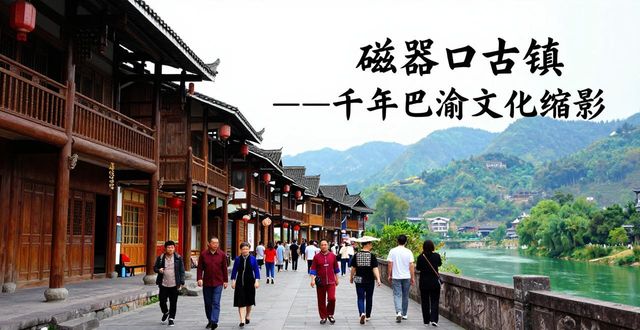
A twenty-minute taxi ride from the city center takes you to Ciqikou, a historic town that feels worlds apart from the skyscrapers downtown. This famous Chongqing travel landmark is a preserved Ming and Qing dynasty market town, with cobblestone streets, wooden shopfronts, and the aroma of tea and fried tofu hanging in the air. Walking through Ciqikou is like stepping into a time capsule—you’ll see artisans making porcelain by hand, calligraphers painting scrolls, and elderly women selling pickled vegetables from baskets.
But don’t mistake Ciqikou for a sterilized museum piece. It’s a living, breathing community where locals still go about their daily routines. The tourist shops are plentiful, but if you venture into the side alleys, you’ll find quiet courtyards and tiny temples that few foreigners ever see. The most authentic experience is to sit down at a street-side stall and order a bowl of Chongqing xiaomian—noodles drenched in chili oil and Sichuan pepper. It will make your nose run and your eyes water, but that’s how you know you’re tasting the real city. Spend at least two hours here, and let yourself get lost. The best discoveries happen when you have no map.
Where to see the best views of the city skyline
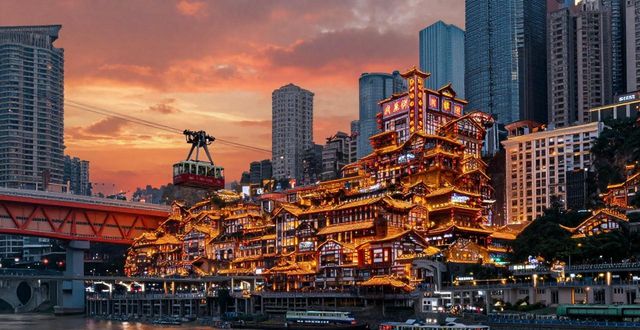
Every traveler asks me this question, and my answer is always the same: go to Nanshan, the mountain on the south bank of the Yangtze. From the Nanshan Observatory, you can see the entire Yuzhong Peninsula—the heart of the city—spread out before you like a circuit board lit up at night. Among all famous Chongqing travel landmarks, this viewpoint offers the most comprehensive perspective. The skyscrapers seem to grow directly out of the cliffs, and the two rivers curve around them like ribbons of liquid metal.
You can reach Nanshan by taxi or bus, but the drive up the winding road is part of the adventure. Once you’re at the top, find a spot near the railing and just watch. The city below is constantly moving—cars stream across bridges, ferries cut through the water, and lights flicker in thousands of windows. There’s a small teahouse nearby where you can sit and sip jasmine tea while the sunset slowly turns the sky orange and purple. Bring a jacket, even in summer. The mountain breeze can be surprisingly cool, and you’ll want to stay until the stars come out.
Chongqing is a city that doesn’t explain itself easily. Its landmarks are not just places to check off a list—they are experiences that challenge your senses and change how you see urban life. Whether you’re standing on a cable car suspended over the Yangtze or wandering through the ancient lanes of Ciqikou, you’ll feel the pulse of a city that has always done things its own way. So pack comfortable shoes, bring an appetite for spice, and let these famous Chongqing travel landmarks show you a side of China you’ll never forget.