
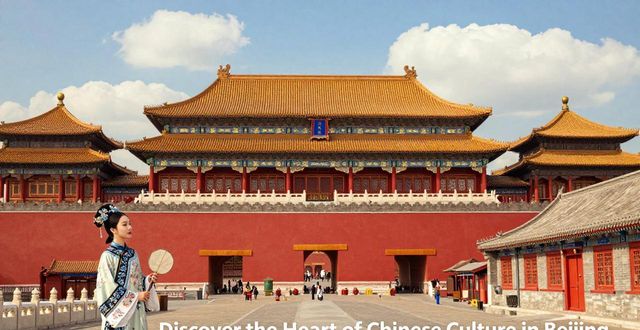
Beijing, as the capital of China, embodies the essence of Chinese civilization, merging ancient traditions with modern dynamism. From imperial palaces to contemporary art districts, the city offers a living museum of cultural heritage. It is a place where history echoes in every corner, and new cultural expressions thrive. Understanding Beijing’s cultural landscape provides a gateway to appreciating China’s rich past and vibrant present.
Why is Beijing the best city to experience Chinese culture
Beijing’s status as a cultural hub stems from its historical role as an imperial capital for centuries. The Forbidden City, with its intricate architecture and vast courtyards, stands as a testament to Ming and Qing dynasty artistry. Walking through its halls, visitors can almost hear the whispers of emperors and courtiers. Nearby, the Temple of Heaven showcases ancient rituals aimed at harmonizing heaven and earth, reflecting deep philosophical roots. These sites are not mere relics; they are active symbols of continuity in Chinese identity.

Beyond monuments, Beijing’s hutongs—narrow alleyways lined with traditional siheyuan courtyards—reveal everyday life steeped in tradition. In areas like Nanluoguxiang, families have lived for generations, preserving customs like tea ceremonies and Peking opera singing. Local markets offer handcrafted items, from cloisonné to paper cuttings, each telling a story of regional craftsmanship. Engaging with residents in these neighborhoods offers authentic insights into cultural values such as family and community.
Modern institutions complement historical ones. The National Museum of China houses artifacts spanning millennia, while the 798 Art District transforms old factories into galleries for contemporary Chinese art. This blend allows visitors to see how tradition inspires innovation. Cultural festivals, like the Spring Festival temple fairs, bring ancient customs to life with lion dances and calligraphy displays. For foreigners, Beijing’s layered approach makes culture accessible and immersive.
How can foreigners explore Chinese culture in Beijing practically
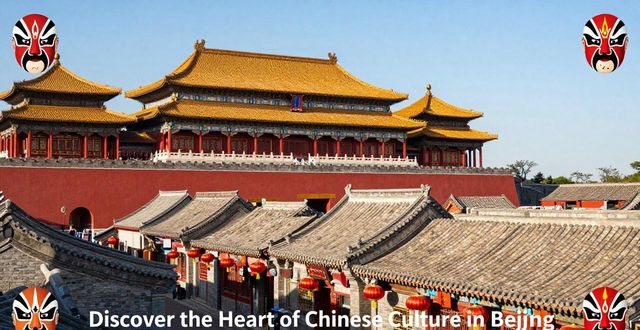
Practical exploration begins with planning visits to key sites, but delving deeper requires local guidance. Joining a guided tour of the Great Wall at Mutianyu, for example, provides context on its historical significance beyond just photos. Many tours include cultural activities, such as learning to make dumplings or practicing tai chi in a park. These hands-on experiences bridge gaps, turning observation into participation. Language barriers fade when actions speak louder than words.
Food is a direct portal to culture. Beijing’s culinary scene, from Peking duck banquets to street-food stalls, reflects regional diversity and history. Trying dishes like zhajiangmian or douzhi can spark conversations about ingredients and traditions. Cooking classes,often held in local homes, teach not just recipes but also the etiquette of sharing meals. This communal aspect highlights Chinese values of harmony and hospitality, making meals a cultural lesson.
For longer stays, cultural workshops offer sustained engagement. Calligraphy or painting sessions in places like the Prince Gong’s Mansion allow foreigners to create their own art under master guidance. Similarly, short courses in Mandarin at language schools include cultural modules on idioms or folklore. Participating in community events, such as mid-autumn moon gatherings, fosters personal connections. These activities ensure cultural learning is continuous and meaningful, not just a checklist.
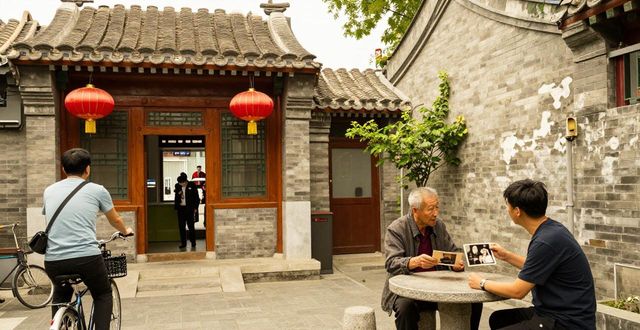
Accommodation choices also matter. Staying in a renovated hutong guesthouse rather than a standard hotel immerses visitors in architectural heritage. Many hosts share stories about neighborhood history, adding a personal touch. Using public transport, like the subway, alongside cycling through hutongs, offers glimpses of daily life. Apps with cultural notes can enhance self-guided exploration, but spontaneity—like stumbling upon a local opera performance—often yields the richest memories.
Beijing’s culture is a dynamic tapestry, woven from threads of history and modernity. By engaging actively with its sites, people, and traditions, foreigners can move beyond surface-level tourism. The city invites curiosity, rewarding those who seek to understand its soul. In every interaction, from a temple visit to a shared meal, cultural bridges are built, enriching perspectives on China’s enduring legacy.