
Chinese food is far more than a collection of dishes; it is a living, breathing expression of Chinese philosophy, history, and social values. For millennia, it has served as a medium for communication, a marker of identity, and a cornerstone of family and community life. To understand Chinese food is to gain a profound insight into the Chinese worldview, where harmony, balance, and symbolism are woven into every meal. This culinary tradition is not static but a dynamic narrative, telling stories of migration, adaptation, and enduring cultural pride that resonate on dinner tables across the globe.
How does Chinese food reflect the philosophy of Yin and Yang
The concept of Yin and Yang, representing complementary opposites, is fundamental to Chinese culinary practice. This principle guides the selection and preparation of ingredients to achieve a harmonious balance in the body. A meal is carefully composed to consider not just taste, but also the energetic properties of food—cooling (Yin) versus warming (Yang). For instance, a stir-fry might pair “cooling” vegetables like cucumber with “warming” spices like ginger. This pursuit of equilibrium extends to flavors and textures, ensuring a meal is neither overwhelmingly heavy nor too light, but perfectly poised. It is a daily practice of seeking harmony, turning nourishment into a holistic experience that cares for both physical and energetic well-being.

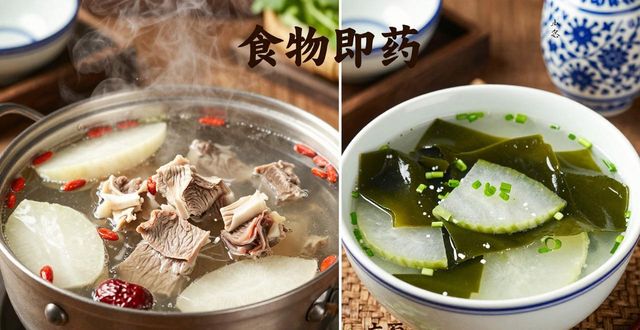
This philosophical approach dictates that food is medicine. Ingredients are chosen for their perceived health benefits, aligning with seasonal changes and individual constitutions. A winter meal might feature hearty, warming stews to combat the cold, while summer brings an abundance of hydrating soups and fresh salads. The goal is always to maintain internal balance, preventing illness before it starts. This deep-seated belief makes dining an act of preventive care,where every bite is considered for its contribution to overall vitality and long-term health.
Why is sharing food so central to Chinese social customs
In Chinese culture, a meal is inherently a communal event, fundamentally about connection rather than mere consumption. The practice of sharing multiple dishes from the center of the table reinforces family bonds, cements friendships, and facilitates business relationships. The round dining table itself is a symbol of unity and equality, with no single seat of prominence. Ordering a variety of dishes demonstrates generosity and consideration for others’ tastes, creating a tapestry of shared experience. This ritual transforms eating from a solitary act into a powerful social glue, strengthening the fabric of community with every shared bite.
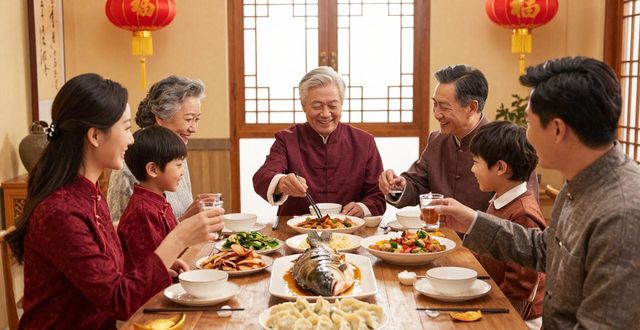
This custom is vividly displayed during festivals and celebrations. The Lunar New Year’s Eve reunion dinner is perhaps the most important meal of the year, where specific symbolic dishes like fish (for abundance) and dumplings (resembling ancient gold ingots) are mandatory. These meals are less about gastronomy and more about ritual, honoring ancestors, and expressing hopes for the future. To refuse an offered dish or eat alone is often seen as isolating or impolite, highlighting how deeply food is intertwined with social etiquette and emotional expression.
What makes Chinese cuisine so adaptable around the world
The global journey of Chinese food is a story of remarkable adaptation and resilience. Chinese immigrants, facing new environments and limited ingredients, ingeniously modified their traditional recipes, giving birth to distinct regional variations like American Chinese or Peruvian Chifa cuisine. These adaptations were not a dilution but a creative survival strategy, using local produce to recreate familiar flavors. Dishes like General Tso’s Chicken became bridges between cultures, offering a taste of home for diasporic communities while introducing new audiences to Chinese culinary concepts.
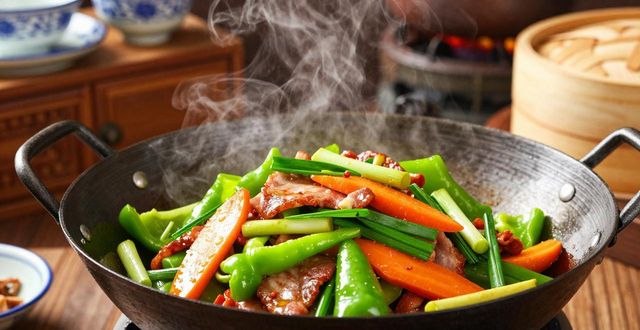
This adaptability stems from the cuisine’s core principles—balance, texture, and umami—which are versatile enough to transcend specific ingredients. The technique of stir-frying, for example, can be applied to virtually any combination of meat and vegetables. This flexibility has allowed Chinese food to become a truly global phenomenon, evolving while retaining its soul. It demonstrates the culture’s pragmatic and inclusive spirit, showing how tradition can travel and thrive, creating new hybrid identities that continue to enrich the global culinary landscape.
From the philosophical balance on a single plate to the noisy, joyful sharing of a banquet, Chinese food carries the weight of history and the warmth of human connection. It is a language understood worldwide, speaking of harmony, community, and resilience. Each dish, whether in a Beijing hutong or a New York storefront, serves as a delicious ambassador, telling an ongoing story of a culture that finds its deepest meanings in the shared experience of a meal.