
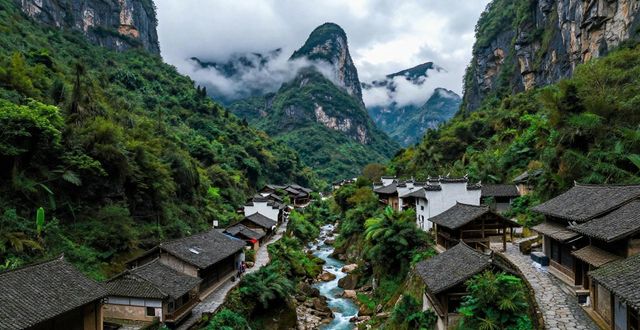
China, a land often associated with its iconic Great Wall and Terracotta Army, holds countless lesser-known wonders waiting to be explored. Beyond the bustling metropolises lies a tapestry of hidden cultural sites,breathtaking natural landscapes, and authentic local experiences that offer a deeper, more intimate understanding of this vast country. For the curious traveler seeking to move beyond the guidebook highlights, these hidden gems provide a unique and unforgettable journey into the heart of China’s diverse heritage and stunning geography.
What are the best hidden natural wonders in China
Nestled in the southwestern province of Guizhou, the Fanjingshan Mountain is a UNESCO World Heritage site that remains surprisingly under the radar. Its unique rock formations, covered in lush vegetation and often shrouded in mist, create a scene of otherworldly beauty. The hike to the summit passes ancient Buddhist temples perched precariously on stone pillars, offering a spiritual and visual feast far from the crowds of more famous mountains.

Further north, the Kanas Lake region in Xinjiang feels like a piece of Switzerland transplanted into Central Asia. Its crystal-clear waters change color with the seasons, surrounded by dense Siberian taiga forests and the traditional wooden houses of the Tuva people. The area offers serene hiking trails and a chance to experience the culture of China’s ethnic minorities in a setting of pristine, alpine beauty.
Where to find undiscovered historical sites in China
The ancient city of Pingyao is a well-preserved jewel, but venture into its quieter lanes and you’ll find the Shuanglin Temple, a site adorned with over two thousand painted clay statues dating back to the 12th century. The expressive figures, each with intricate details, tell stories from Buddhist lore and offer a silent, powerful artistic encounter without the jostling crowds of larger museums.

In the remote deserts of Gansu, the Yulin Caves present an alternative to the famed Mogao Grottoes. This complex of Buddhist cave temples features magnificent murals and sculptures spanning a millennium. The relative quiet here allows for a more contemplative appreciation of the art, where you can almost hear the echoes of ancient Silk Road travelers and monks who once frequented this oasis.
How to experience authentic local culture away from tourists
For a taste of traditional water town life without the commercial hustle, head to Xitang in Zhejiang province during the early morning or on a weekday. Glide through its narrow canals on a boat, watch locals go about their daily routines from centuries-old covered corridors, and savor a steaming bowl of braised pork at a family-run eatery. The atmosphere is one of timeless tranquility.
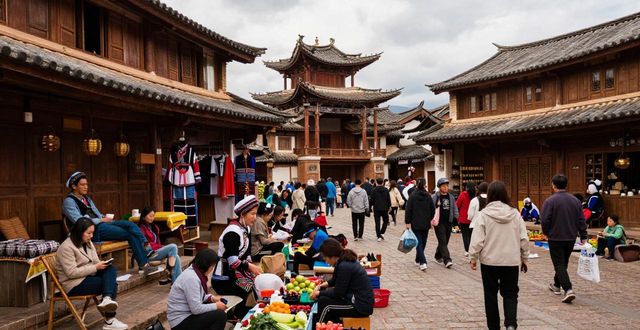
In Yunnan, the market town of Shaxi, once a key horse caravan stop on the Tea Horse Road, has been carefully restored. Every Friday, the Sideng Square market comes alive with local Bai and Yi people trading goods. Sitting in a quiet courtyard guesthouse, listening to the distant sounds of the market and the nearby stream, provides a genuine connection to a living history that mass tourism has yet to overwhelm.
These hidden corners of China invite travelers to look closer and wander further. They remind us that the true essence of a place is often found not in its most advertised landmarks, but in the quiet moments of discovery—a shared smile with a local artisan, the unexpected vista at a trail’s end, or the profound silence of an ancient temple. Seeking out these gems leads to a richer, more personal narrative of China, one woven from its lesser-known but deeply resonant threads.