
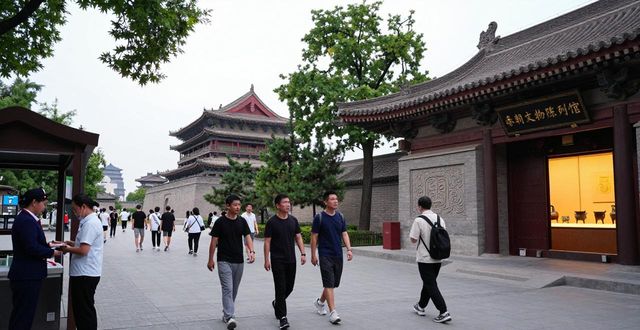
Xian, once known as Chang’an, is a city where China’s ancient history is vividly preserved. As a traveler and history enthusiast who has wandered through its ancient streets and ruins, I can attest that Xian is more than just a destination; it’s a living museum. From the iconic Terracotta Army to the ancient city walls, each site tells a story of dynasties, innovations, and cultural exchanges that shaped Chinese civilization. This article aims to guide foreign visitors through Xian’s key historical sites, offering insights into their significance and practical tips for exploration.
How to visit the Terracotta Army in Xian
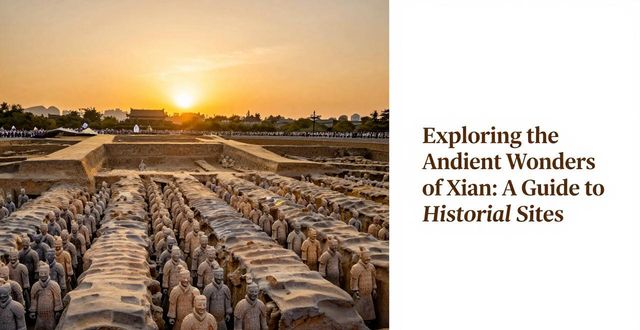
The Terracotta Army, discovered in 1974, is a breathtaking collection of life-sized clay soldiers built to protect Emperor Qin Shi Huang in the afterlife. Located about an hour’s drive from downtown Xian, this UNESCO World Heritage site features three main pits showcasing thousands of unique figures, each with distinct facial expressions and armor. To make the most of your visit, plan to arrive early in the morning to avoid crowds, especially during peak tourist seasons from April to October.

Wear comfortable shoes as the site covers a large area, and consider hiring a local guide or using an audio tour to understand the historical context. The on-site museum provides detailed exhibits about the excavation process and Qin dynasty artifacts. For foreign visitors, it’s helpful to book tickets online in advance to skip long queues, and don’t forget to explore the nearby Bronze Chariots and Horses exhibition for a deeper glimpse into ancient Chinese craftsmanship.
What are the best ancient city walls to explore in Xian
Xian’s Ming Dynasty City Wall is one of the best-preserved ancient fortifications in China, stretching over 13 kilometers around the old city center. Built in the 14th century, it offers a unique perspective on Xian’s layout and history. You can walk or cycle along the top of the wall, with rental bikes available at several gates, providing a leisurely way to enjoy panoramic views of the city’s blend of old and new architecture.

The South Gate (Yongning Gate) is the most popular starting point, often hosting cultural events and light shows in the evenings. For a quieter experience, head to the East or West Gates, where you’ll find fewer tourists and more opportunities to capture photos of traditional watchtowers and moats. The wall is especially enchanting at sunset when the ancient stones glow in the golden light, and it’s easily accessible via Xian’s metro system, making it a convenient stop for a half-day visit.
Why is the Big Wild Goose Pagoda important to Xian’s history
The Big Wild Goose Pagoda, constructed in the Tang Dynasty around 652 AD, stands as a symbol of Xian’s role in the Silk Road and the spread of Buddhism in China. Originally built to house Buddhist sutras brought from India by the monk Xuanzang, this seven-story pagoda is located within the serene Daci’en Temple complex. Its simple yet elegant design reflects ancient Chinese architecture, and climbing to the top rewards visitors with a view over the surrounding gardens and cityscapes.
The pagoda’s square base and brick structure have withstood earthquakes and time,testifying to the engineering skills of the Tang era. Surrounding the area, the North Square features a musical fountain show and statues depicting Xuanzang’s journey, while the nearby Shaanxi History Museum offers context on the pagoda’s cultural impact. For foreign travelers, visiting during weekdays can avoid the weekend crowds, and combining it with a stroll through the adjacent Tang Paradise theme park enhances the historical experience.
Xian’s historical sites are not just relics of the past but gateways to understanding China’s rich heritage. Whether you’re marveling at the Terracotta Army’s grandeur, cycling along ancient walls, or reflecting at the Big Wild Goose Pagoda, each site offers a unique connection to the stories that define this ancient capital. As you explore, remember that Xian continues to evolve, blending its historical depth with modern vibrancy, making it a must-visit for anyone seeking to uncover the roots of Chinese civilization.