
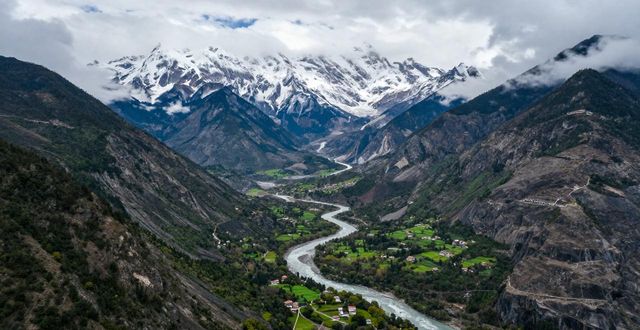
The concept of the “Last Shangri-La” is often associated with pristine, isolated places that seem untouched by modern chaos. In China, this title is frequently bestowed upon the remote and breathtakingly beautiful region of the Eastern Himalayas, particularly areas like the Yarlung Tsangpo Grand Canyon and parts of the Tibetan Plateau. These landscapes, with their towering snow-capped peaks, deep valleys, and unique cultures, offer a glimpse into a world that feels both ancient and serene. For many foreign travelers, it represents the ultimate destination for authentic cultural immersion and unparalleled natural beauty, a place where time appears to stand still amidst some of the planet’s most dramatic geography.
What makes China home to the Last Shangri-La

The geographical and cultural isolation of these regions is paramount. Shielded by the world’s highest mountain ranges, valleys like Pemako and the hidden reaches of the Yarlung Tsangpo have historically been incredibly difficult to access. This natural fortress has preserved ecosystems and ways of life that have evolved with minimal external influence for centuries. The biodiversity here is staggering, with countless endemic species of flora and fauna found nowhere else on Earth.
Cultural preservation is another cornerstone. The indigenous communities, including various Tibetan ethnic groups, maintain spiritual traditions, languages, and social structures deeply intertwined with the land. Their reverence for nature, expressed through practices and festivals, creates a harmonious human-environment relationship that is increasingly rare. This profound cultural integrity, existing in concert with such formidable landscapes, fuels the modern Shangri-La narrative.
How to plan a responsible trip to the Last Shangri-La
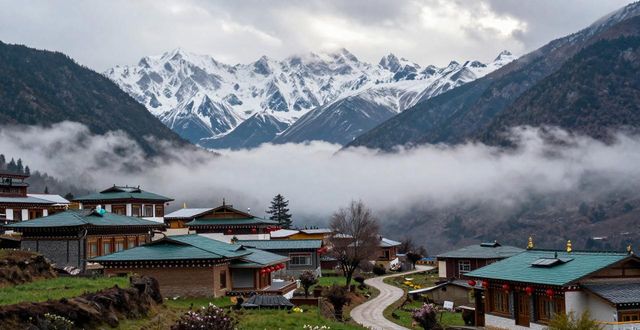
Traveling to these sensitive areas requires careful forethought and a commitment to responsible tourism. Access is often regulated, and visitors typically need special permits in addition to a Chinese visa. It is crucial to plan well in advance, often through specialized travel agencies experienced in high-altitude and culturally sensitive expeditions. The best times to visit are generally late spring or early autumn, avoiding the harsh winter and the heavy summer monsoon rains.
Choosing the right tour operator is essential. Look for companies with a proven track record of supporting local economies, employing local guides, and adhering to strict ecological principles. Packing appropriately for rapid weather changes and high altitudes is non-negotiable. Beyond logistics, mental preparation is key; this is not a typical luxury holiday but a journey that demands physical resilience and deep cultural respect to be truly rewarding.
What are the real experiences beyond the Shangri-La myth
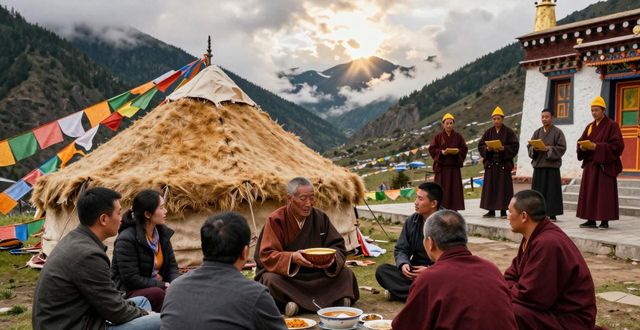
While the landscape is undeniably majestic, the real magic lies in genuine human connection. Visitors might share a simple meal with a nomadic family in their yak-hair tent,listening to stories passed down through generations. They might witness monks engaging in philosophical debates at an ancient monastery perched on a mountainside, the air thick with the scent of juniper incense. These moments of shared humanity transcend the postcard-perfect scenery.
The journey itself is transformative, often involving trekking along pilgrim paths or navigating winding mountain roads. It challenges preconceptions and offers a humbling perspective on one’s place in the world. Travelers leave not just with photographs of peaks, but with a deeper understanding of resilience, spirituality, and the delicate balance of life in one of Earth’s last great sanctuaries. The myth of Shangri-La, then, becomes a personal encounter with enduring beauty and timeless culture.