
The Forbidden City, a UNESCO World Heritage site, stands as a monumental symbol of China’s imperial past. Beyond its awe-inspiring architecture and vast courtyards lies its true heart: a priceless collection of artifacts that tell the story of over five centuries of Ming and Qing dynasty rule. These treasures, ranging from exquisite ceramics to intricate timepieces, are not merely objects of beauty but tangible links to the rituals, power, and daily life of the emperors who once resided within these crimson walls. Understanding this collection offers a profound glimpse into the sophistication and cultural zenith of ancient China.
What are the most valuable treasures in the Forbidden City
Many visitors wonder what constitutes the “most valuable” items within the palace museum. Value here is multifaceted, encompassing historical significance, artistic mastery, and material rarity. The collection of imperial ceramics, particularly from the Yongle and Qianlong periods, represents the pinnacle of Chinese porcelain craft. Pieces like the famille-rose vases and monochrome glazed bowls are celebrated globally for their technical perfection and aesthetic harmony.

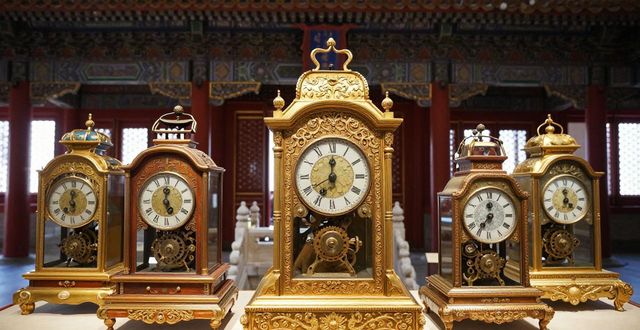
Another category of immense value is the collection of timekeeping instruments. The Hall of Clocks and Watches houses elaborate mechanical clocks gifted by European envoys or crafted by palace workshops. These are marvels of cross-cultural exchange, blending European mechanics with traditional Chinese decorative motifs like dragons and pearls. Their complexity and state of preservation make them uniquely precious, illustrating the emperor’s access to the world’s technological wonders.
How to see the best artifacts on a short visit
With thousands of rooms and millions of items, seeing everything is impossible for a day visitor. Strategic planning is essential. Focus your energy on the permanent galleries within the central axis palaces, such as the Hall of Supreme Harmony and the Palace of Heavenly Purity, where significant state artifacts are displayed. The Clock Gallery, located in the Hall of Ancestral Worship, is a must-see for its concentrated display of spectacular automata.
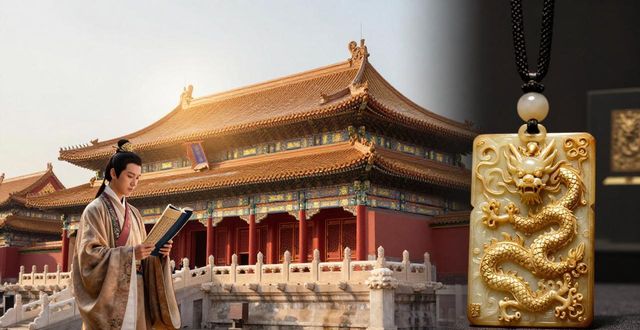
Prioritize the themed exhibitions often held in the eastern and western wing galleries. These curated displays rotate and highlight specific themes, like jade carvings or imperial portraiture, offering a deeper dive into particular art forms. Booking tickets online in advance and considering a guided tour focused on “highlights” can efficiently direct you to the masterpieces,ensuring you experience the essence of the collection without feeling overwhelmed by the scale.
Why are these imperial collections so well-preserved
The exceptional preservation of the Forbidden City’s treasures is the result of a dedicated, centuries-long institutional effort. Following the establishment of the Palace Museum in 1925, systematic cataloguing and conservation began. Modern museum science is now applied in state-of-the-art laboratories within the complex, where experts use non-invasive techniques to analyze and restore paintings, textiles, and metalwork.
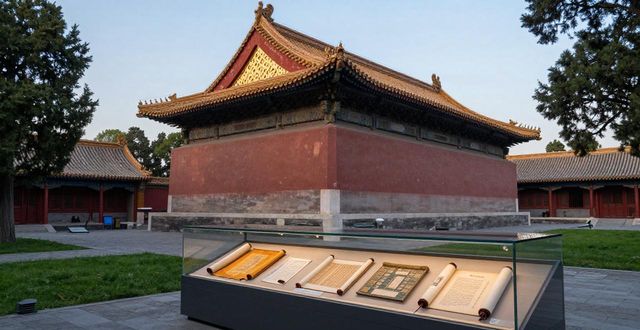
The traditional architecture itself, with its thick walls and controlled environments, provided a stable foundation. Today, climate-controlled display cases and stringent lighting regulations protect sensitive materials like silk and paper from degradation. This ongoing commitment, combining historical stewardship with cutting-edge technology, ensures that these cultural heirlooms remain intact for future generations to study and admire, preserving a direct connection to China’s imperial narrative.
The treasures of the Forbidden City are more than a static display; they are a dynamic narrative of power, art, and history. Each artifact, from a grand throne to a tiny seal, contributes to understanding the complex world of the Chinese court. Visiting the palace is a journey through time, where the silent halls are given voice by the magnificent objects they house, offering every observer a chance to witness the legacy of one of the world’s greatest civilizations.