
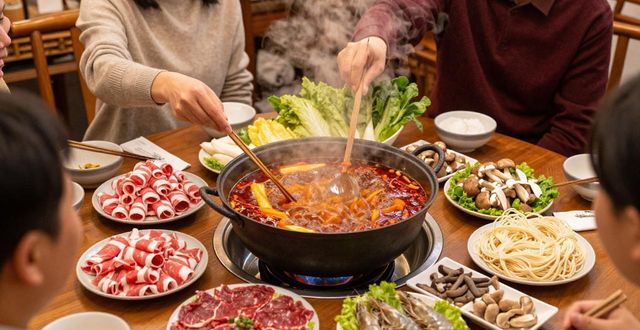
Hot pot, known as “huoguo” in Mandarin, is far more than a meal in China; it is a vibrant social experience, a culinary tradition steeped in history, and a customizable feast for the senses. At its core, it involves a simmering pot of flavorful broth placed at the center of the table, around which diners gather to cook a wide array of fresh ingredients. This interactive dining style embodies the Chinese values of community and sharing, transforming a simple dinner into a memorable event. The magic lies in the combination of the rich, aromatic broth, the quality of the raw ingredients, and the personalized dipping sauces each guest creates.
Why is Chinese hot pot so popular worldwide
The global appeal of Chinese hot pot stems from its unique interactive nature and incredible versatility. Unlike many set-menu cuisines, hot pot puts the power of creation directly into the diner’s hands. This participatory aspect makes every meal a personal adventure. You are not just eating; you are actively cooking, choosing what to dip next and for how long.

The variety is seemingly endless. From thinly sliced meats like lamb and beef to an assortment of seafood, mushrooms, leafy greens, and handmade noodles, there is something for every palate. The communal pot fosters conversation and connection, making it perfect for group gatherings. This blend of customization, social engagement, and diverse flavors has allowed hot pot culture to transcend borders and captivate food lovers internationally.
How to choose the right hot pot broth for you
Selecting your broth is the first and most crucial step in the hot pot experience. The two most iconic types are the spicy Sichuan “mala” broth and the clear, mild “yuan yang” or dual-flavor pot. The Sichuan broth is a fiery red soup, numbing and aromatic from Sichuan peppercorns and dried chilies, offering an intense, addictive heat. It is a must-try for adventurous eaters.
The dual-pot, featuring a dividing wall, is an excellent choice for groups. It typically offers a spicy side and a non-spy side, such as a pork bone, tomato, or mushroom broth. This allows everyone to enjoy their preferred flavor profile. For a lighter, health-conscious option, broths made from pure chicken or herbal soups are also common. Your broth choice sets the foundational flavor for everything you cook.
What are the essential ingredients for a traditional hot pot
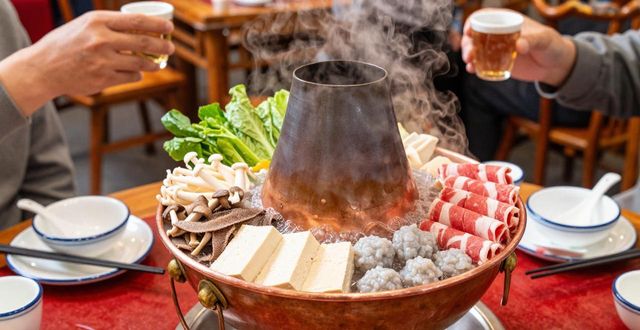
A traditional Chinese hot pot spread is a colorful mosaic of textures and tastes. High-quality, paper-thin slices of meat are fundamental. Lamb and beef are classics, quickly swished in the broth until just cooked through. Seafood like shrimp, fish balls, and squid rings add a delicate sweetness. A bountiful selection of vegetables is equally important.
Napa cabbage, spinach, enoki mushrooms, and lotus root provide freshness and balance. Tofu products, such as firm tofu, tofu skin, and fried tofu puffs, are excellent for absorbing the savory broth. Don’t forget the carbohydrates: hand-pulled noodles, vermicelli, or dumplings to conclude the meal. Each ingredient contributes its unique texture and flavor, creating a harmonious and satisfying feast.
How to make the perfect hot pot dipping sauce
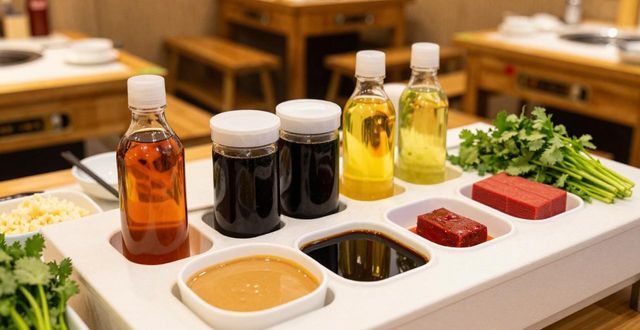
The dipping sauce is where personalization reaches its peak. Most hot pot restaurants provide a “sauce station” with a dozen or more condiments. The base is usually sesame oil or sesame paste,combined with savory elements like soy sauce, oyster sauce, and fermented bean curd. Garlic, cilantro, and chopped scallions add aroma and freshness.
For heat, chili oil or fresh chili peppers can be added. A popular northern Chinese combination is sesame paste, fermented bean curd, cilantro, and chili oil. In the south, a simple mix of soy sauce, sesame oil, and minced garlic is common. Experimentation is key. Start with a small amount of each ingredient, taste, and adjust until you find your signature blend that complements both the broth and the cooked ingredients.
The experience of Chinese hot pot is a delightful journey of discovery, from the initial steam rising from the pot to the final satisfying bite. It engages all the senses and brings people together in a shared celebration of food. Whether you are navigating the fiery depths of a Sichuan broth or savoring the subtlety of a herbal soup, you are participating in a timeless tradition. Each meal is a unique creation, a warm, flavorful memory made with friends and family around a bubbling pot.