
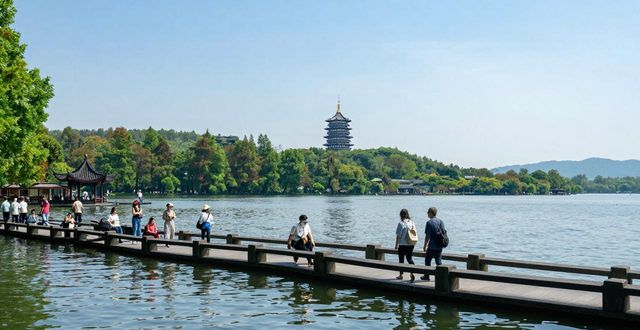
The West Lake in Hangzhou, a UNESCO World Heritage site, is renowned not only for its serene waters and picturesque landscapes but also for its collection of historic and culturally significant bridges. These structures are more than mere crossings; they are integral to the lake’s charm, each telling a story of the city’s past and enhancing the visitor’s experience. For foreign travelers, understanding these bridges offers a deeper appreciation of Chinese garden art, poetry, and history, transforming a simple stroll into a journey through time.
What are the most famous bridges on West Lake
The West Lake features several iconic bridges that are essential stops on any tour. The Su Causeway and Bai Causeway are the most prominent, acting as elegant ribbons that divide the lake into distinct sections. Built by beloved poets Su Dongpo and Bai Juyi, these causeways are lined with willow and peach trees, offering breathtaking views in every season.
Another masterpiece is the Broken Bridge, famous for its role in the classic Chinese legend, The Legend of the White Snake. Despite its name suggesting ruin, the bridge is intact and becomes particularly magical when light snow dusts its surface, creating the illusion of a broken span. The Nine-Turn Bridge at the Mid-Lake Pavilion is celebrated for its intricate zigzag design, which is said to ward off evil spirits according to traditional beliefs.

How to best experience the bridges as a tourist
To fully enjoy the West Lake bridges,planning your visit is key. Early morning or late afternoon walks are ideal to avoid crowds and capture the soft light perfect for photography. Consider these activities for a richer experience:
Rent a bicycle to cycle along the lengthy Su and Bai Causeways.
Take a boat tour that passes under several bridges for a unique water-level perspective.
Visit during different seasons: spring for blooming flowers, autumn for golden leaves, and winter for a chance to see the “Broken Bridge残雪” scene.
Each bridge has its own character. The long, straight causeways are for leisurely walks and panoramic views, while smaller, ornate bridges like the Jade Belt Bridge are perfect for quiet contemplation. Engaging with a local guide can provide fascinating historical context and hidden stories behind each structure.
What cultural stories are connected to these bridges
The bridges of West Lake are deeply embedded in Chinese culture, serving as inspirations for poets, painters, and storytellers for centuries. The Su and Bai Causeways are lasting tributes to the Tang and Song dynasty poets who oversaw their construction as part of water conservation projects, blending practical governance with artistic vision.
The Broken Bridge’s fame stems entirely from folklore. It is the legendary meeting place of the white snake spirit, Bai Suzhen, and the mortal scholar, Xu Xian. This tale of love and sacrifice is a cornerstone of Chinese folklore, making the bridge a powerful symbol of romance and destiny that resonates deeply with visitors.
Other bridges, like the Reflecting Moon Bridge at Three Pools Mirroring the Moon, are tied to philosophical concepts. Their designs and names often reflect ideals of harmony between humanity and nature, a core principle in classic Chinese garden design. Exploring these stories allows visitors to connect with the symbolic heart of Hangzhou’s cultural landscape.
The bridges of West Lake are silent narrators of history, art, and legend. They frame the landscape, guide journeys, and invite reflection. For any traveler to Hangzhou, walking across these bridges is to walk through layers of Chinese heritage, discovering beauty that is both visually stunning and rich with meaning.