
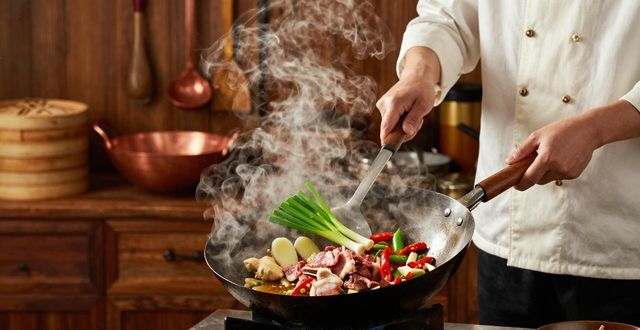
For many living outside of China, the quest for authentic Chinese food can feel like a treasure hunt. The phrase “real Chinese food” often conjures images far removed from the heavily adapted, Westernized dishes found in many generic takeout spots. True Chinese cuisine is a vast and diverse culinary landscape, deeply regional, seasonally driven, and focused on a balance of flavors, textures, and freshness. Finding it near your location requires looking beyond the neon signs and familiar menus,diving into the subtler clues that indicate a kitchen serving food meant for a Chinese palate.
What makes Chinese food real and authentic

Authenticity in Chinese food is less about a strict checklist of ingredients and more about intention and technique. It’s food cooked with a deep understanding of fundamental principles like wok hei (the “breath of the wok”), the harmony of flavors, and the importance of texture. Real Chinese food is often regional, reflecting the distinct styles of provinces like Sichuan, Hunan, Guangdong, or Shanghai. It avoids the common “one-sauce-fits-all” approach, instead offering dishes that might be spicy, numbing, sour, sweet, or savory—sometimes all at once. The menu is a key indicator; lengthy menus with hundreds of items, many featuring familiar American-Chinese staples, are often a red flag. Smaller, more focused menus, perhaps even with sections written primarily in Chinese, suggest specialization and care.
How to identify a genuine Chinese restaurant

Spotting a real Chinese restaurant involves engaging your senses before you even taste the food. Start online: look at reviews on platforms like Google or Yelp, but pay special attention to reviews written in Chinese characters or by reviewers with Chinese names—their critiques often focus on authenticity. Visually, observe the clientele. A dining room filled with Chinese families or students is one of the strongest endorsements possible. Examine the menu for dishes you don’t recognize. The presence of items like century egg, pork intestines, mapo tofu with visible Sichuan peppercorns, or whole steamed fish indicates a kitchen catering to traditional tastes. Don’t be intimidated by these; ask the staff for recommendations.
What to order for an authentic experience
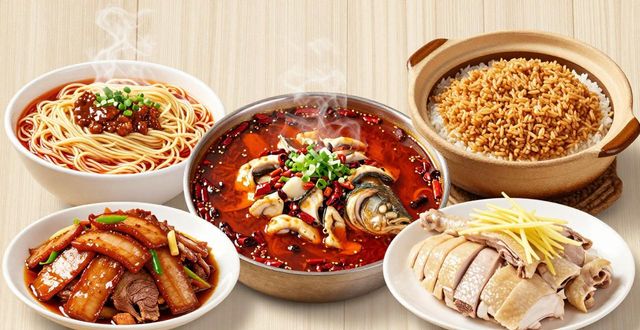
Venturing beyond sweet and sour pork or general Tso’s chicken is essential. Begin with classics from specific regions. For a taste of Sichuan, order dan dan noodles, twice-cooked pork, or boiled fish in fiery broth. From the Canton region (Guangdong), try clay pot rice, white cut chicken with ginger-scallion sauce, or any fresh, steamed seafood. Northern Chinese cuisine offers delights like zhajiangmian (noodles with soybean paste) or baozi (steamed buns). Embrace family-style dining. Order a variety of dishes—a vegetable, a protein, a soup, and rice—to share. This allows you to experience the intended balance of a meal. Be open to new textures and flavors; the experience is part of the journey.
Finding real Chinese food near you is a rewarding pursuit that opens a door to a rich culinary culture. It requires a curious mind and a willingness to explore. Seek out the places where the language on the menu challenges you, where the aromas are complex and intriguing, and where the dining room reflects the culture itself. Start with the strategies outlined here: research, observe, and most importantly, order with an adventurous spirit. The authentic, vibrant world of Chinese cuisine is likely closer than you think, waiting to be discovered one steaming dish at a time.