
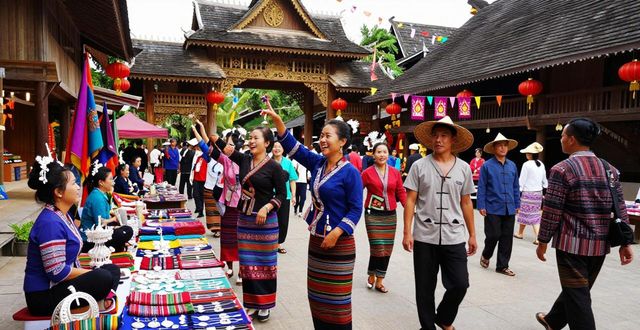
Rural China handicrafts represent a living heritage that combines centuries of skill, natural materials, and cultural identity. From delicate bamboo weaving in Sichuan to vibrant embroidery in Guizhou, these handmade items are not just souvenirs—they are sustainable, ethical alternatives to mass production. Understanding their value, availability, and market potential opens doors for collectors, small business owners,and travelers who care about authentic craftsmanship.
Where to buy authentic rural Chinese crafts

The best sources are often off the beaten path. Local village markets, especially during festivals, offer direct access to makers. In Yunnan, for example, many Dai ethnic villages sell handwoven silk and silver ornaments at a fraction of city prices. Online platforms like Taobao’s “Rural Taobao” initiative and specialized WeChat groups connect artisans directly with buyers. For larger quantities, cooperative stores in county towns—run by local governments to support poverty alleviation—provide verified origins and fair prices. Avoid generic tourist shops in big cities; they usually carry factory imitations.
How to verify quality and avoid fakes
Genuine rural handicrafts have small irregularities that machines cannot replicate. Check the stitching on embroidered cloth: uneven thread tension and slight pattern variations are good signs. Bamboo items should feel warm and show tool marks, not laser cuts. Ask for photos of the maker at work—many sellers on Douyin (TikTok) now livestream from their workshops. Learn a few key phrases in Chinese like “shǒu gōng de ma?” (is it handmade?) and test the seller’s reaction. Also, real indigo-dyed fabrics fade slightly when rubbed with a wet finger; chemical dyes do not.
What are the most profitable handicrafts to resell
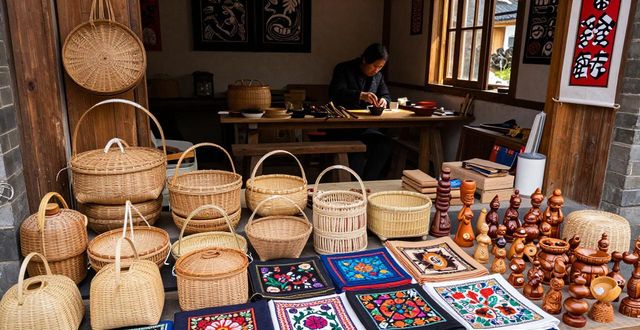
Embroidery from Miao and Dong communities has high demand in Europe and North America, where bohemian home decor is trendy. Small items like pouches, belts, and wall hangings (10–30 USD wholesale) can sell for triple online. Bamboo tea scoops and kitchen tools from Anhui are lightweight and low-cost—ideal for Etsy shops. Paper umbrellas from Hunan, though fragile, become statement pieces in wedding decorations. Avoid heavy pottery or large furniture unless you have a local logistics partner. Always test the market with a small batch; what sells in Tokyo may not work in New York.
How to build a fair trade relationship with artisans
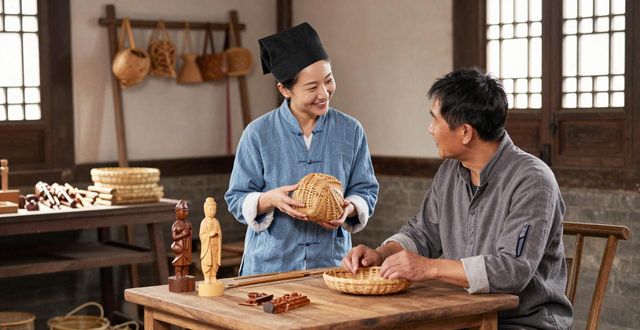
Never haggle aggressively at a village workshop—you risk destroying the trust that leads to long-term supply. Start by buying a few pieces at the asking price, then respectfully ask about wholesale discounts for regular orders. Learn the artisan’s schedule: many work only during dry seasons or after harvest. Offer small deposits (30–50%) to help them buy materials. Share photos of their products selling abroad—this motivates them and reduces the chance they will switch to chemical dyes or shortcuts. Most importantly, respect their designs: do not demand “modern” changes that erase cultural meaning.
What unique rural Chinese handicraft have you discovered, and how did you verify its authenticity? Share your story in the comments—your experience could help others avoid common pitfalls. If you found this guide useful, please like and share it with fellow craft lovers.