
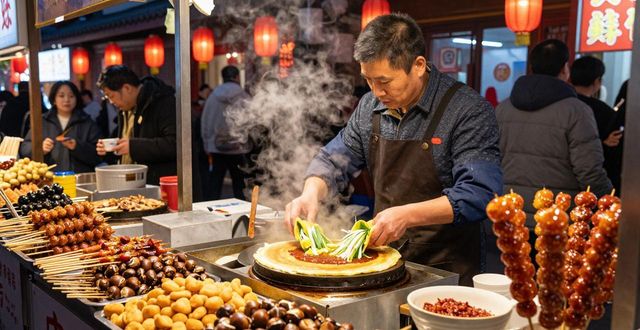
Street food is the vibrant, beating heart of Chinese urban life. It’s far more than a quick, cheap meal; it’s an open-air theater of sights, sounds, and scents, a deep dive into authentic local flavors you simply can’t find in formal restaurants. For any visitor to China, from first-timers eager to explore to seasoned adventurers chasing the next great bite, understanding this sprawling, delicious world is key to unlocking the true soul of its cities. The sheer variety can be overwhelming, but it’s a journey well worth taking.
Where to Find the Best Street Food in Chinese Cities

Forget elegant dining rooms. Here,the kitchen is often a simple cart or a bustling hole-in-the-wall. The hunt is all part of the fun. Most cities have designated “night markets” that come alive after dusk, like Wangfujing in Beijing or the Muslim Quarter in Xi’an, where stalls stretch for blocks. However, some of the most legendary spots are unassuming neighborhood clusters, often near universities, temples, or old residential areas. In Shanghai, the winding alleys off Huanghe Road hide gems, while Guangzhou’s old town is a maze of noodle and dumpling vendors. The best strategy? Follow the locals. A long queue at a simple stall is the most reliable Michelin guide you’ll find.
Is Street Food in China Safe to Eat?
This is the number one query for cautious foreigners, and the answer is a practical “yes, with smart choices.” The key is observation. Look for stalls with high turnover, where food is cooked fresh and hot right in front of you. Boiling soups, sizzling woks, and steaming buns are your friends, as high heat kills germs. Be wary of pre-made, cold salads or items sitting out unrefrigerated. It’s wise to stick to bottled water and, initially, perhaps avoid raw ingredients. Seek out vendors who are busy, maintain a relatively clean workspace, and handle money and food with separate tools. A little vigilance goes a long way toward a safe and satisfying experience.
How Much Does Street Food Cost in China
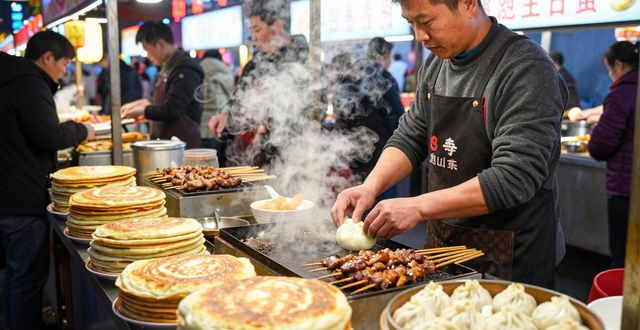
One of the greatest joys is the incredible value. Unlike the West, street food here is genuinely affordable for everyone. You can enjoy a filling and fantastic meal for anywhere between 10 to 50 RMB (approximately $1.5 to $7 USD). A skewer of grilled lamb in Xi’an might cost 10-15 RMB, a scallion pancake in Shanghai 5-8 RMB, and a steaming bowl of Guilin rice noodles around 15-20 RMB. It allows for adventurous “sample hopping” without breaking the bank. Always have small bills and change ready, as digital payments (WeChat Pay/Alipay) are ubiquitous, but some older vendors may prefer cash.
What are the Must-Try Street Foods in China
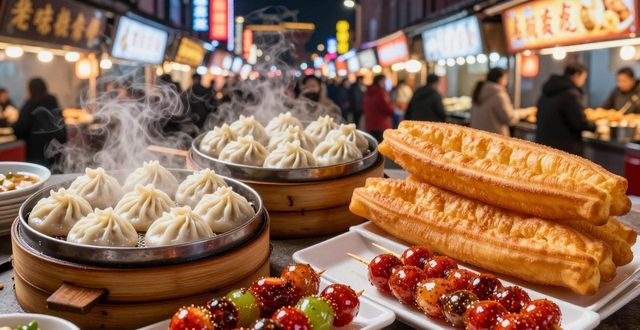
The list is endless and delightfully regional. In the north, don’t miss jianbing ( savory crepes) in Beijing or Tianjin, or the aromatic cumin-spiced chuan’r (lamb skewers). Head to Xi’an for the bold flavors of roujiamo (Chinese burger) and yangrou paomo (lamb and bread stew). Shanghai offers delicate shengjianbao (pan-fried soup dumplings) and sweet congyoubing (scallion oil pancakes). In the south, Guangzhou’s cheung fun (rice noodle rolls) and Chengdu’s spicy chuanchuan (hot pot skewers) are iconic. Be brave and try the local specialty, whatever it may be—it’s often the city’s proudest culinary offering.
Embarking on a street food journey in Chinese cities is an essential rite of passage. It’s an immersive lesson in culture, economics, and community spirit, served on a plate or a stick. From the smoky aroma of a night market grill to the first tentative bite of an unfamiliar delicacy, these experiences forge lasting memories. So, come with an open mind, a smartphone for translation, and an empty stomach. The real taste of China is waiting for you on its lively, crowded, and incredibly delicious streets.