
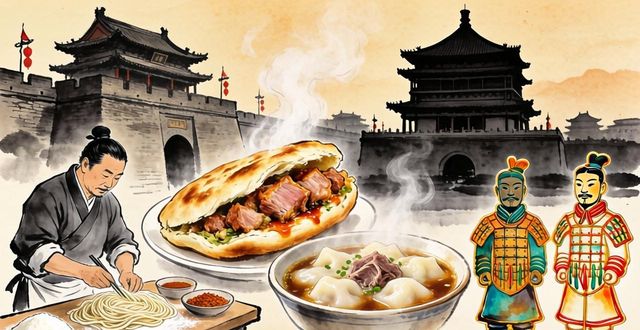
When travelling in XI’an you are stepping into a living time capsule that weaves culinary heritage with tales of the ancient Silk Road. This gastronomical journey offers far more than tasty bites it unfolds the history of 13 imperial dynasties lingering on every plate passing on warm shared customs that still bind local neighborhoods today. Visiting the street stalls local family eateries and century old diners lets you taste how multicultural influences shaped every classic Xian dish generation after generation.
What history shapes Xian street snacks
The story of Xian snacks dates back over 2000 years when Silk Road caravans stopped at the Chang’an city gates bringing spices bread making techniques and nomadic cooking traditions from Central Asia and the Mediterranean. Local chefs merges these foreign elements with native Chinese millet wheat and seasoning methods soon crafting hearty flavorful food that fed palace officials scholars traders and regular townsfolk equally well. Many popular treats like roujiamo mirror ancient food records scribed during the Tang dynasty keeping almost the exact preparation flow intact till modern day stall counters.

Nearly every downtown old alley hosts street vendors who run their small family operated stalls for decades passing down skills from grandparents to grandchildren. Early morning markets fill up with tender crisp guokui crusty flatbread savory soups steamed cold noodles that draw long lines made of office workers school kids elder locals and wide eyed exploring overseas visitors all jostling in casual friendly unhurried queues exchanging warm smiles while waiting their turn at the counters.
How to taste real traditional Xian dishes
You do not need luxury fine dining reservations to unlock authentic Xian food experiences most treasure hidden at neighborhood family restaurants operating since the 1980s. Follow locals in thin aprons leading you to hidden spots tucked inside apartment compounds try the slow stewed beef made with secret spice sips cooked three to four hours over gentle wood fires paired with hand rippled soaked paomo that customers traditionally crumble fine themselves on their plastic dining plate.
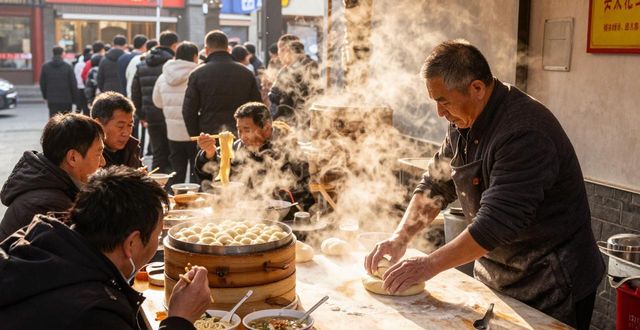
Most paomo restaurants still hand make their flat bread every early morning before sunshine light touches the counter they never swap the ancient crumble-and-soak ritual even as lines spill onto neighboring sidewalk. Local veteran food lovers share unwritten tips over steamy noodle bowls they tell first time travelers always ask shop owners for extra sour garlic slices and drop in a spoonful of spicy vibrant red chili oil locally fermented adding bright lively zesty layers to every warm comforting bite you take slowly at the small worn wooden table.
What local stories live in everyday Xian food families
Walking past Muslim Quarter narrow lanes you meet third generation cooks who inherited specialty rice noodle pulling craftsmanship dating straight to thriving Tang dynasty merchant homes living right above their small shop stoves. Different local dishes hold quiet customs when large extended relatives gather at festival dinner event steaming bowls of Liangpi cold noodles always sit on center of a round shared table standing symbol for family gatherings smooth long connections that bind close kin across passing years far apart.
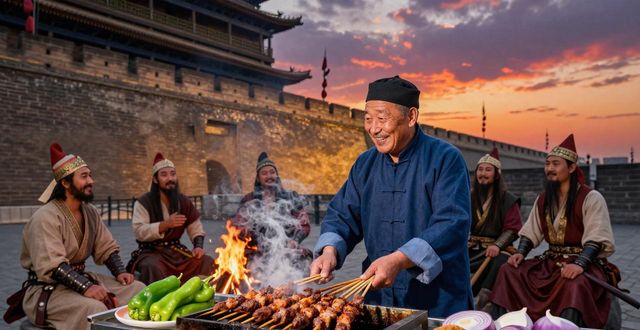
One old Muslim snack shop owner told stories passed from ancestors each time Silk Road riders bit their crispy lamb skewer at twilight resting by old city walls to share a travel tale next to steaming stall firesides same way foreign travelers laugh with guests from far lands lingering beside his smoke thick wooden counter. The eating simple routines you encounter now carry soft living echoes exactly stretching directly from grand metropolis Chang’an days old friendly.
Have you ever stumbled on an unexpected savory bite during personal city cultural journey that completely changed knowledge about a place thought knew from ordinary travel guides long before your unforgettable adventure began?