
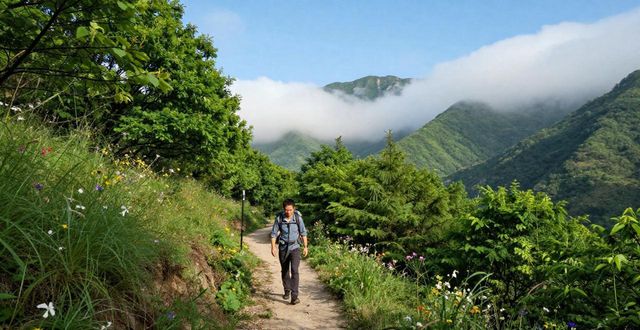
When travelers think of China, bustling cities like Beijing and Shanghai often come to mind. Yet the real soul of the country lies in its vast countryside, where ancient footpaths wind through terraced rice fields, bamboo forests, and traditional villages. Rural China’s hiking trails offer a rare glimpse into a slower pace of life, untouched by modernization. From the misty hills of Guangxi to the ancient tea-horse routes of Yunnan, these paths are not just about physical challenge—they are journeys through history, culture, and stunning natural beauty. In this guide, I’ll share why these trails are worth exploring,what makes each region unique, and how to prepare for an unforgettable adventure off the beaten path.
What makes rural China hiking trails unique

Unlike well-marked national parks in the West, rural trails in China often double as ancient trade routes or village connections used for centuries. You might walk along stone-paved paths from the Tang Dynasty, cross single-plank bridges over clear streams, or pass through villages where farmers still thresh rice by hand. The lack of commercial development means you’ll encounter real life—grandmothers drying chili peppers on rooftops, water buffaloes cooling in ponds, and the occasional friendly dog following you for a mile. Each trail tells a story of resilience and harmony with nature, making every step feel like a discovery rather than a tourist route.
Best rural hiking trails for foreigners
For first-timers, the Longji Rice Terraces in Guangxi are a dream. The “Dragon’s Backbone” loops from Ping’an Village to Dazhai Village, offering jaw-dropping views of cascading paddies. The trail is moderate (4–5 hours) and well-trodden by locals, so you won’t get lost. More adventurous hikers should try the Tiger Leaping Gorge in Yunnan—a two-day trek alongside the roaring Yangtze River, with snow-capped peaks and guesthouses run by Naxi minorities. Meanwhile, Anhui’s Mount Huangshan back trails lead through ancient pine forests and hidden temples, far from the cable car crowds. Each region has its own character: Guangxi for rice terraces, Yunnan for gorges, and Sichuan for bamboo groves and panda habitats.

What to pack and when to go
Pack light but smart: sturdy hiking boots, quick-dry clothes, a rain jacket (mountain weather changes fast), and a reusable water bottle. Don’t forget sunscreen, insect repellent, and basic first aid. Most trails have no shops, so carry high-energy snacks like nuts or granola bars. The best seasons are spring (April–May) and autumn (September–October)—temperatures are mild, skies are clear, and the landscapes burst with blooming flowers or golden harvests. Avoid summer rains and winter ice unless you’re an experienced hiker. Also, download offline maps (Maps.me or AllTrails work well) because cell service is spotty in remote areas. And learn a few Mandarin phrases: “Nǐ hǎo” (hello), “Xièxiè” (thank you), and “Duōshǎo qián?” (how much?)—villagers will appreciate the effort.
Respecting local customs and the environment
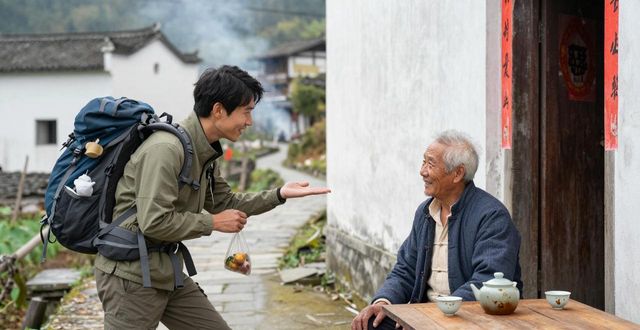
When hiking through villages, remember you’re a guest. Always ask before taking photos of people, especially elderly villagers or religious sites. Many homes have open doors—don’t wander inside unless invited. It’s also common to offer a small gift (like fruit or candy) if a farmer shares tea or lets you rest in their courtyard. Environmentally, pack out every piece of trash—rural areas lack waste management. Stay on marked paths to avoid damaging crops, and never pick wild plants or disturb animals. By leaving no trace and showing respect, you help preserve these trails for future generations and build goodwill between travelers and local communities.
Have you ever walked a rural trail in China or elsewhere? Share your favorite hidden hiking gem in the comments below—and don’t forget to like and pass this on to fellow adventure lovers!