
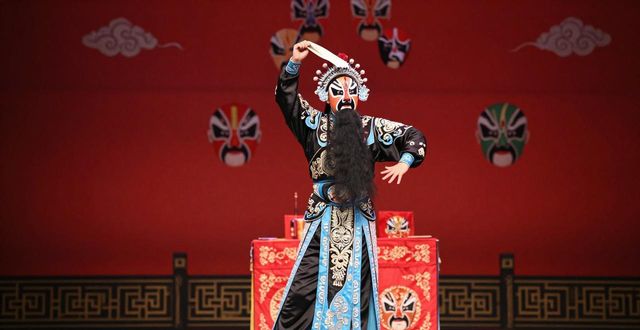
Sichuan Opera face change, or “bian lian,” is one of China’s most mesmerizing performance arts. As a traveler and culture enthusiast who has watched over 20 live performances across Chengdu, I can tell you that this ancient skill transforms actors into living paintings, swapping masks in the blink of an eye. In this article, I’ll share the history, techniques, hidden meanings, and best places to witness this breathtaking art form.
What is the history of face changing
Face changing originated in Sichuan Opera during the Qing Dynasty around 300 years ago. Local performers needed a way to show sudden emotional shifts in characters like demons or heroes without leaving the stage. They borrowed ideas from ancient folk rituals where shamans would paint or cover their faces to represent spirit possession. Over time, this evolved into the polished technique we see today.
By the late 1800s, face change had become a signature element of Sichuan Opera. Masters guarded their methods like state secrets, passing them down only to trusted disciples. The Chinese government declared it an intangible cultural heritage in 2006, which helped preserve and promote the art. Today, you can find face change performances not just in China but also in international tours across Europe and America.
How do performers change masks so fast

The secret lies in specially designed silk masks that are painted and glued in layers. A performer can wear up to ten masks stacked on their face, each glued only at the edges. With a sudden head flick, hand swipe, or sleeve movement, they peel off the top mask to reveal the one underneath. The entire change takes less than half a second, faster than the human eye can follow.
What makes it even more impressive is that performers never use mirrors to check their masks. They rely entirely on muscle memory and years of practice. Some advanced techniques involve changing masks while spinning or even breathing fire. Masters spend at least ten years training before they can perform publicly. The exact methods remain a secret, but watching a skilled artist is like seeing magic happen right before your eyes.
What do the colors and patterns mean
Each mask color tells you something about the character’s personality. Red means loyalty and bravery, often used for heroes like Guan Yu. Black represents honesty and roughness, perfect for fierce warriors. White reveals cunning and betrayal, reserved for villains or traitors. Gold and silver are for gods, ghosts, or supernatural beings who don’t follow human rules.
Beyond colors, specific patterns add deeper meaning. A butterfly shape around the eyes suggests a romantic or dreamy nature. Tiger stripes mean the character is wild or aggressive. Masks with many small dots indicate a pockmarked face, often used for ugly or comic roles. When you watch a performance, pay attention to how the mask changes during the story. A hero’s red mask might suddenly turn white, showing he has been possessed or betrayed.
Where can I watch Sichuan Opera face change
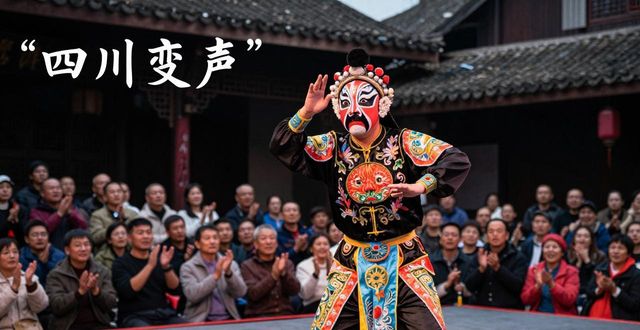
The best place to see authentic face change is in Chengdu, the capital of Sichuan province. Shu Feng Ya Yun Teahouse offers nightly shows with tea service and traditional snacks. Tickets cost around 150 to 300 yuan depending on seating. Another famous venue is Jinjiang Theatre, where professional troupes perform full-length operas that include face change scenes. Both places have English subtitles for the stories.
If you cannot travel to China, look for Chinese cultural festivals in your country. Many Sichuan Opera troupes tour internationally during Chinese New Year or cultural exchange events. Cities like San Francisco, London, and Sydney have regular performances at their Chinatown theaters. You can also find short face change clips on YouTube, but nothing compares to seeing it live. The energy of the drums, the colorful costumes, and the gasps from the crowd make the experience unforgettable.
Can tourists learn face changing techniques
Unfortunately, traditional face change is a closed art form that masters rarely teach to outsiders. The Sichuan Opera Academy has strict rules about sharing techniques even with Chinese students. Most professional training requires a formal apprenticeship starting from childhood. However, some cultural centers offer introductory workshops where you can learn simple mask swaps using pre-made props.
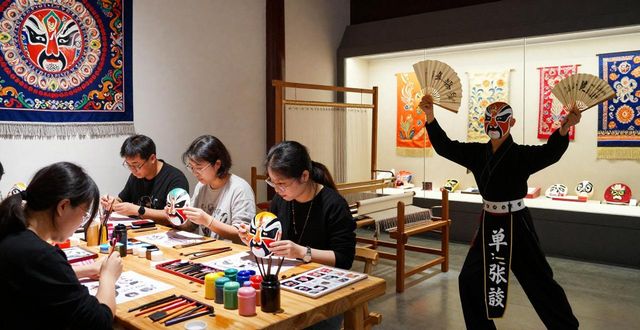
For tourists interested in the artistic side, several studios in Chengdu provide face painting classes. You can learn to paint your own mask with traditional patterns and colors. The Shu Brocade Museum also offers a half-day workshop where you practice a single mask change using a special fan. While you won’t become a master, these hands-on experiences help you appreciate the incredible skill involved. Just remember to respect the tradition and never ask a performer to reveal their real secrets.
Why is face change important to Chinese culture
Face change represents the Chinese value of inner transformation and hidden depth. In Chinese philosophy, what you see on the surface rarely tells the whole truth. The mask changes show that people and situations can shift in an instant. This art also preserves ancient storytelling methods from a time when most people could not read. Performers became living books, teaching morals through visual shock and wonder.
On a practical level, face change keeps traditional theater alive in the modern world. Young people who might never watch regular opera will line up to see mask changes. This interest funds the entire Sichuan Opera ecosystem, including musicians, costume makers, and story writers. As China modernizes rapidly, arts like face change serve as cultural anchors. They remind both locals and visitors that some traditions are worth protecting, even if their methods remain mysterious.
Have you ever seen Sichuan Opera face change live,or would you travel to Chengdu just to watch it? Share your thoughts in the comments below, and don’t forget to like and share this article with fellow culture lovers