
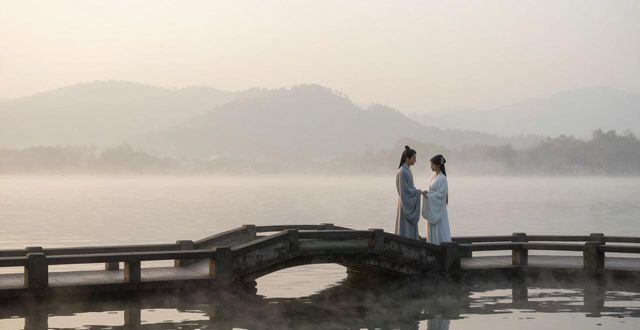
West Lake in Hangzhou is not just a scenic lake – it is a living museum of Chinese bridge culture. For centuries, poets, emperors, and travelers have crossed these stone arches, each bridge holding its own legend and beauty. If you are planning a visit, knowing the stories behind the most famous bridges will turn a simple walk into an unforgettable journey. Let me guide you through five essential bridges that every traveler should explore.
What makes the Broken Bridge so legendary?
The Broken Bridge (Duanqiao) is the most famous bridge in all of West Lake, yet its name confuses many visitors because it is not broken at all. The name comes from a poetic winter sight: when snow covers the bridge, the sunny side melts first while the shaded side remains white, making the bridge look “broken” from a distance.

This bridge is also the romantic heart of the Legend of the White Snake, a beloved folktale where a snake spirit named Bai Suzhen first met her human husband Xu Xian here. Standing on the bridge, you can almost feel their love and tragedy. Early morning is the best time to visit, when mist rises from the lake and few tourists are around.
How many bridges form the Su Causeway?
The Su Causeway (Su Di) stretches nearly three kilometers across West Lake and is lined with six elegant bridges built during the Song Dynasty. From south to north, they are Yingbo,Suolan, Wangshan, Yadi, Dongpu, and Kuahong – each name painting a poetic image: waves reflecting moonlight, mist locking the view, or hills gazing at the lake.
Walking the entire causeway takes about an hour, but the joy is in the details. Notice how each bridge offers a slightly different angle of the lake, with weeping willows and peach trees framing the water in spring. Locals love to jog or cycle here at sunset. Don’t just rush across – pause on each bridge, breathe in the lotus scent, and watch the rowboats glide underneath.
Which bridge offers the best sunset view?
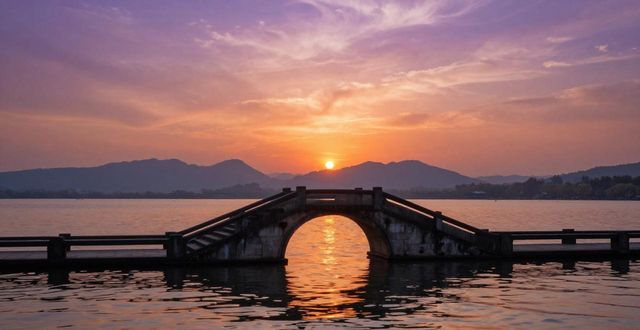
For sunset lovers, the Pressing Seal Bridge (Yadi Qiao) on the Su Causeway is a hidden treasure. Its name means “pressing down the dyke,” but what it really does is press the golden sunset light flat across the water. From this spot, you can see Leifeng Pagoda to the south and the distant hills turning purple as the sun dips down.
Many photographers set up their tripods here about half an hour before sunset. The key is to arrive early enough to claim a spot on the stone railing. As the sky shifts from orange to deep red, the bridge’s reflection creates a perfect circle of light in the water. Bring a light jacket – the evening breeze off the lake can be chilly even in summer.
Why are these bridges more than just stone?
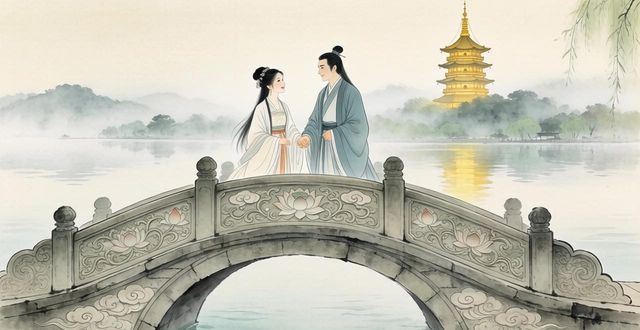
Chinese bridges are never merely functional; they are symbols of connection, transition, and even destiny. In traditional culture, crossing a bridge together as a couple was believed to strengthen their bond, while monks saw bridges as metaphors for crossing from suffering to enlightenment. West Lake’s bridges especially carry this spiritual weight.
Take the Xiling Bridge, for example, which honors a loyal Song Dynasty general’s horse that refused to leave its master’s grave. Or the Kua Hong Bridge, whose name means “stepping over the rainbow” – a wish for good fortune. When you stand on any of these ancient stones, you are not just looking at a lake; you are stepping into a thousand years of poetry, sacrifice, and hope.
Now I’d love to hear from you: Which of these West Lake bridges would you most want to visit first – the romantic Broken Bridge, the six graceful causeway arches, or the sunset spot on Pressing Seal Bridge? Share your thoughts in the comments, and don’t forget to like and pass this guide to fellow travelers planning their Hangzhou adventure!