
Most travelers photograph the same cherry blossoms at Wuhan University every March, or queue for the peach groves in Xining. But China‘s spring is layered with quieter blooms that rarely make international guides. These lesser-known spring blossoms of China reward the traveler who wanders off the main roads and into the valleys where locals have been picking petals for generations.
What spring blossoms in China are lesser known

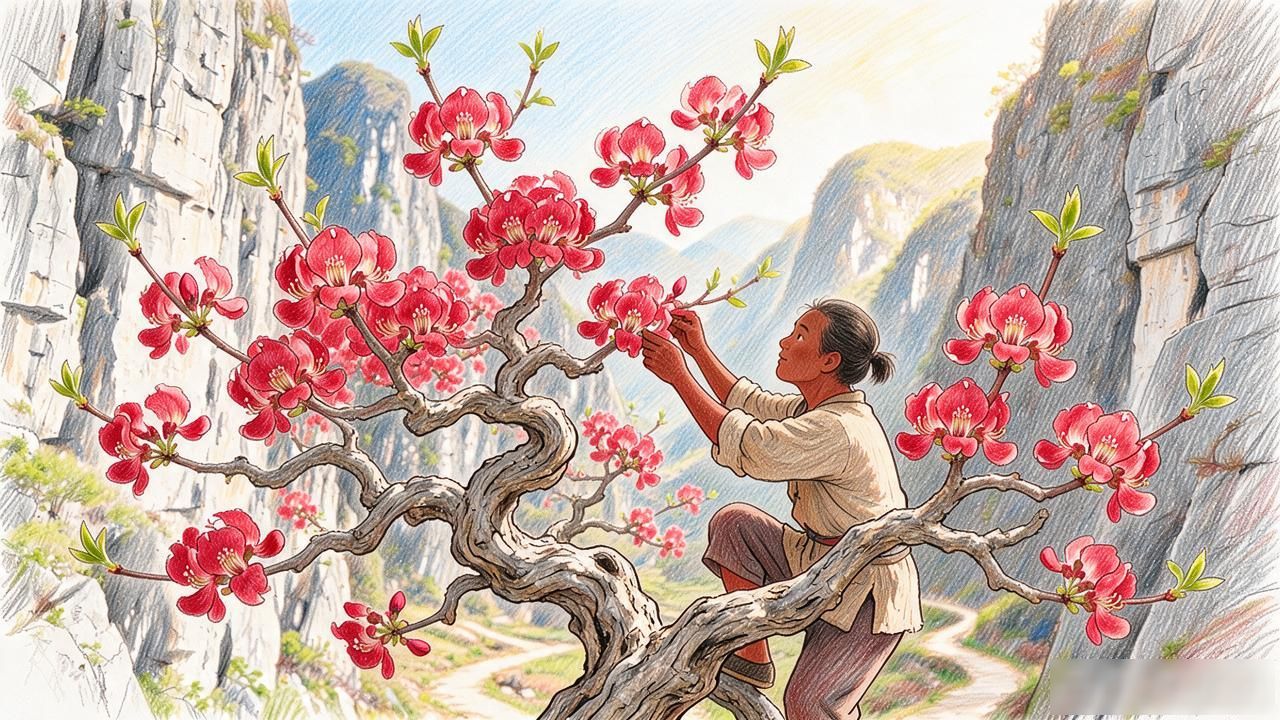
Redbud trees (Cercis chinensis) carpet the limestone valleys of Qiandongnan, Guizhou, in late April with small cup-shaped crimson flowers that hug bare, twisted branches. The bloom is brief—sometimes only ten days—before the green leaves swallow it whole. Local farmers still climb the trees to strip the petals for dried tea, a practice passed down without any tourism office awareness. No foreign tour package stops here. The valley floor looks like scattered confetti over dormant, muddy rice terraces, and the silence is the point.
Another underdog is the forsythia hedge (Forsythia suspensa) lining forgotten country roads in Shaanxi. It erupts into yellow in mid-March, two full weeks before the famous peach blossoms of Xining draw the crowds. The flowers dangle in drooping clusters from arching, cane-like stems, and the effect is startling against the still-grey Loess Plateau landscape. You have to drive a rural road with no signposts to find the best stretches.
Where to see lesser known spring blossoms in China
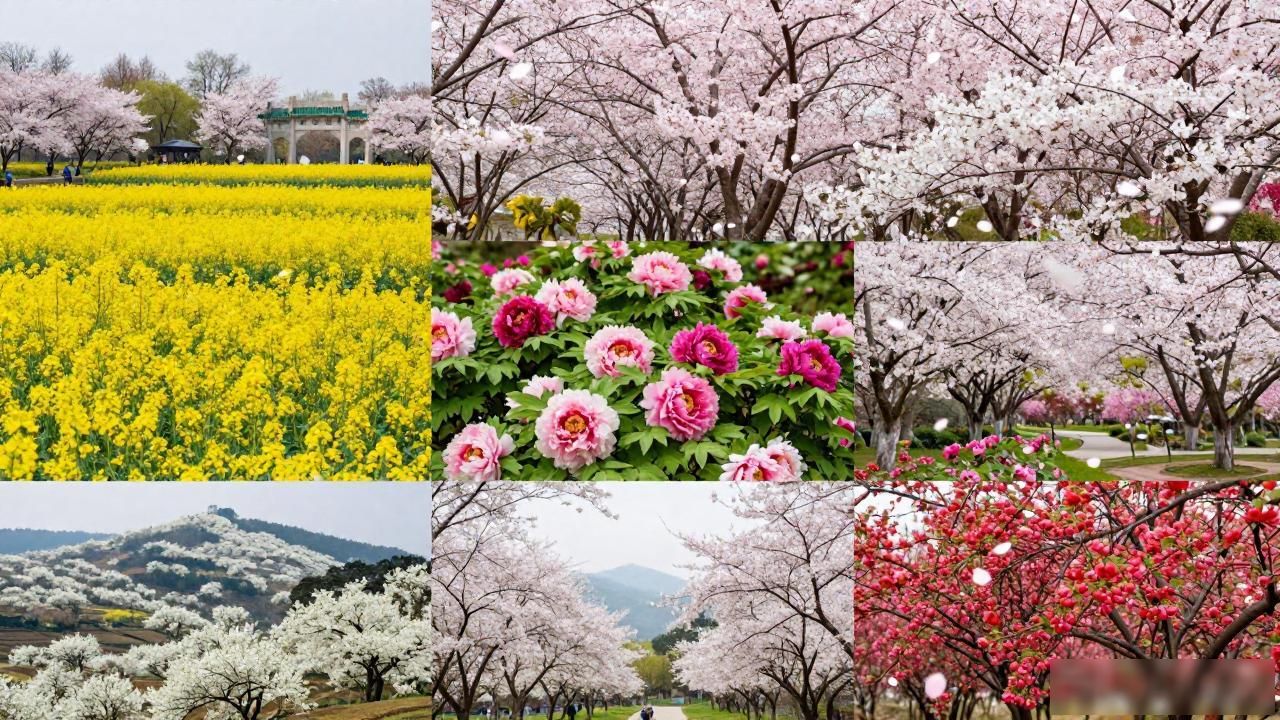
Head to Mang Mountain in southern Anhui, where wild plum trees (Prunus mume) bloom from mid-to-late February. The village of Tangyuan sits at the base, and you can walk uphill on footpaths worn smooth by locals gathering flowers for dried tea. The air carries a faint almond-and-wet-stone smell that sticks to your jacket. There is no ticket booth, no selfie platform, no crowd. Just you, the slope,and a million small white-pink stars on bare wood.
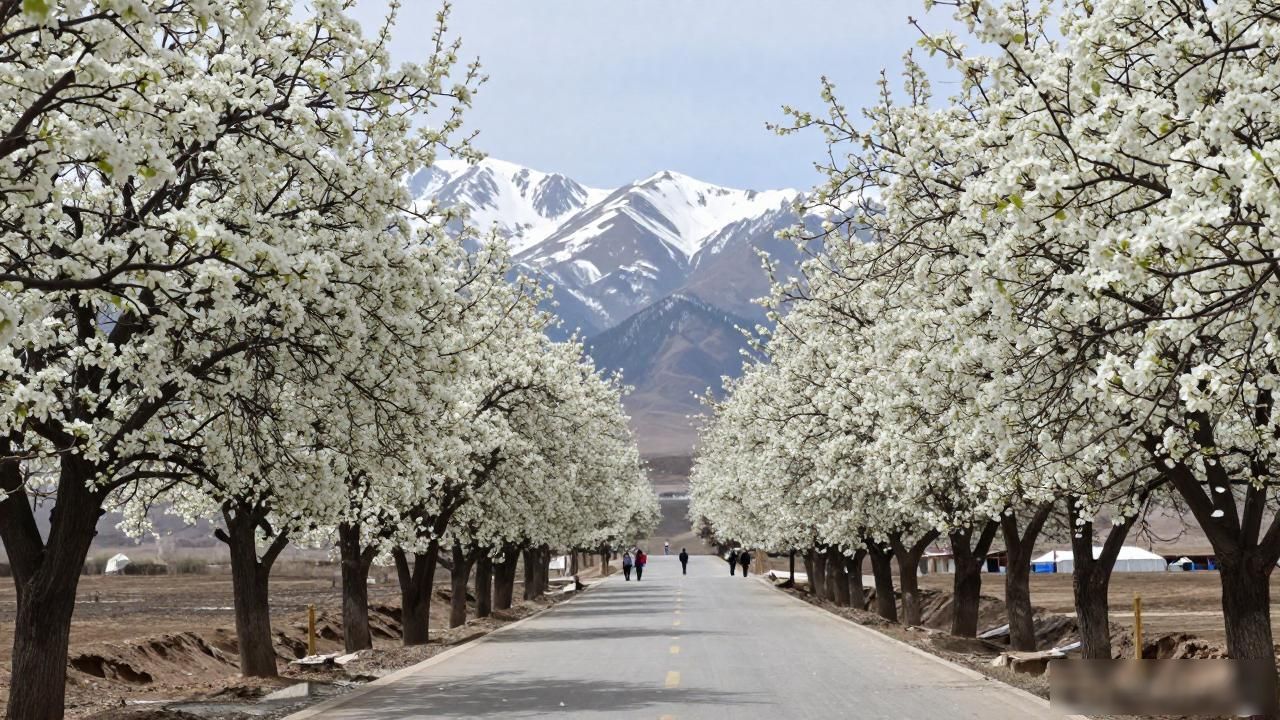
Further west, the pear blossoms of Gansu‘s Jinta County create a white corridor along the route heading toward the Qinghai-Tibet plateau in late April. Few international travelers make the detour, yet the drive through rows of fragrant white canes—snow still capping the distant Qilian peaks—remains one of the quietest spring spectacles on the entire continent. You will share the road with a herdsman and two yaks, not a busload of camera-waving tourists.
None of these blooms carry the hashtag-fame of Yoshino or the Shanghai botanical gardens. They grow where the road ends, for people who aren’t looking. Pack a camera, skip the group tour, and let a muddy Guizhou valley full of redbud surprise you before the green leaves return.