
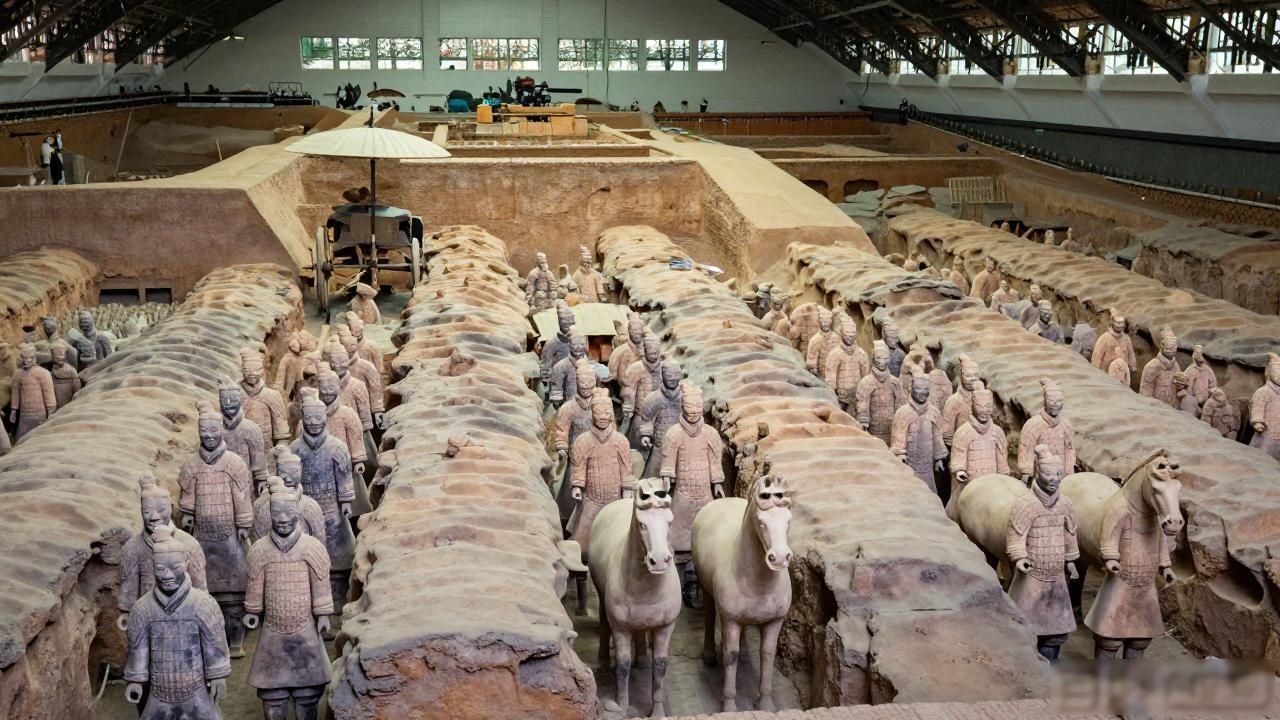
The Terracotta Army in Xi’an is one of the most remarkable archaeological discoveries in human history. Buried for over two thousand years, this vast collection of life-sized warriors was meant to guard Emperor Qin Shi Huang in the afterlife. For anyone fascinated by ancient civilizations, military history, or Chinese culture, this site offers an unforgettable experience that goes far beyond the typical museum visit.
What makes the Terracotta Army so unique

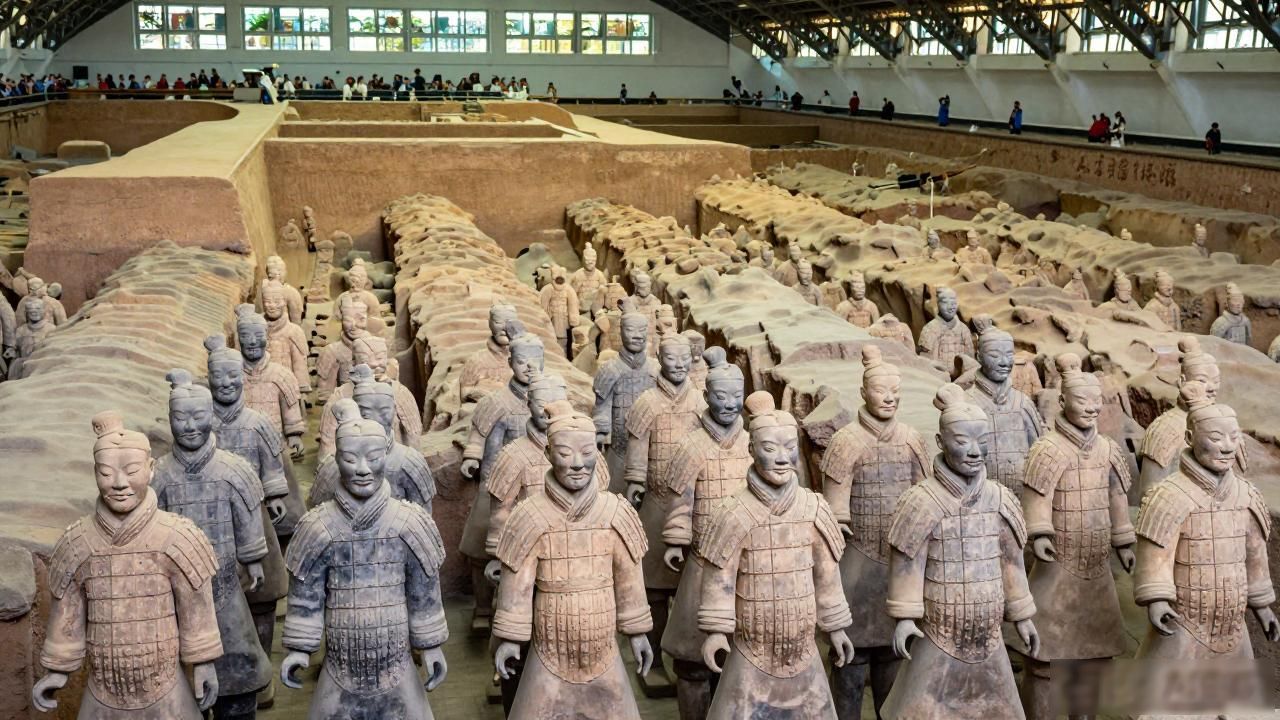
The sheer scale of the Terracotta Army is hard to grasp until you see it in person. More than 8,000 soldiers, 130 chariots, and 670 horses have been uncovered across three massive pits. What surprises most visitors is that no two figures are alike. Each warrior has a distinct face, hairstyle, and expression, suggesting they were modeled after real soldiers from the Qin dynasty.
The craftsmanship is astonishing. The warriors stand in battle formation, with archers, infantry, and cavalry arranged in precise military order. Even the armor and weapons were meticulously carved, and many of the bronze swords and crossbow triggers were found still sharp and functional. This level of detail gives historians valuable insight into ancient Chinese warfare, clothing, and social hierarchy.
How to get the most out of your visit to Xi’an
Most travelers fly into Xi’an and take a one-hour drive to the museum complex. The site is divided into three pits, with Pit 1 being the largest and most impressive. It holds the main army of foot soldiers arranged in rows, and seeing them stretch into the distance is a humbling sight. Pit 2 contains cavalry and chariots, while Pit 3 is believed to be the command center.
Arrive early in the morning to avoid the crowds, especially during Chinese holidays. The museum can get packed by midday, making it harder to get close to the viewing platforms. Hiring a local guide or using an audio guide adds depth to your visit, as they explain the history behind the warriors and the ongoing excavation work. In addition to the pits, the on-site museum houses bronze chariots and other artifacts that are equally impressive.
The Terracotta Army is not just a collection of statues. It is a window into the mind of China’s first emperor, his obsession with immortality, and the incredible organizational power of the Qin state. For anyone visiting Xi’an, this is not just a tourist stop but a journey into the foundations of Chinese civilization.