
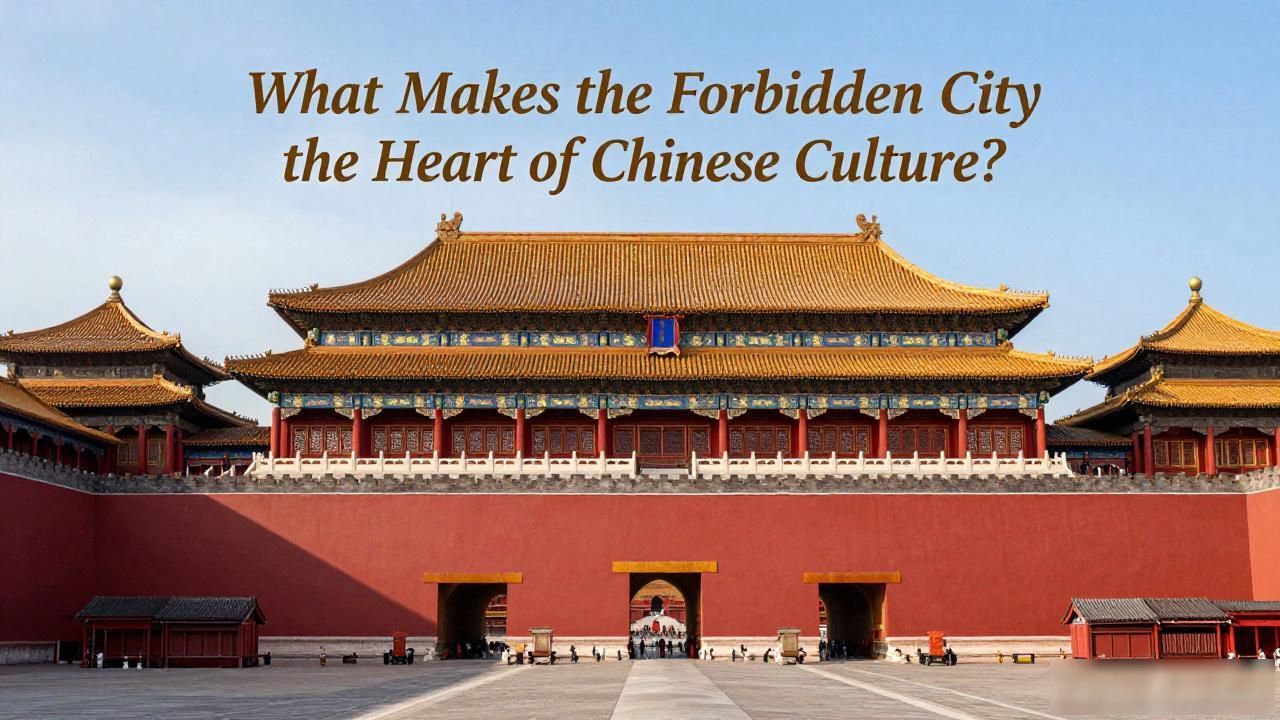
The Forbidden City is not just a museum; it is the physical embodiment of five centuries of imperial power, philosophy, and aesthetic refinement. For visitors from abroad, stepping into its walls offers more than a glimpse of ancient architecture; it provides a direct line to understanding the core values that have shaped Chinese civilization. The layout, colors, and symbols within this vast complex are not arbitrary but deeply rooted in Confucian order, Daoist harmony, and traditional cosmology.
Why is Beijing’s Imperial Palace so significant?

Walking through the Meridian Gate feels like entering another world where symmetry dictates life. The central axis runs north to south, aligning the emperor’s residence with the stars above. This design reflects the belief that the ruler was the Son of Heaven, bridging the earthly and divine realms. Every building placement serves a purpose, reinforcing social hierarchy and political stability. The sheer scale of the complex, comprising nearly a thousand rooms, speaks to the immense resources dedicated to maintaining this cosmic balance.
The vibrant yellow roofs are instantly recognizable, symbolizing imperial authority and earth, the center of the universe in traditional thought. Red walls represent joy and good fortune, while also warding off evil spirits. These color choices were strictly regulated; commoners could not use them. The visual impact of these colors remains striking today, serving as a constant reminder of the absolute power once held within these walls. It is a language of stone and wood that continues to speak loudly across generations.
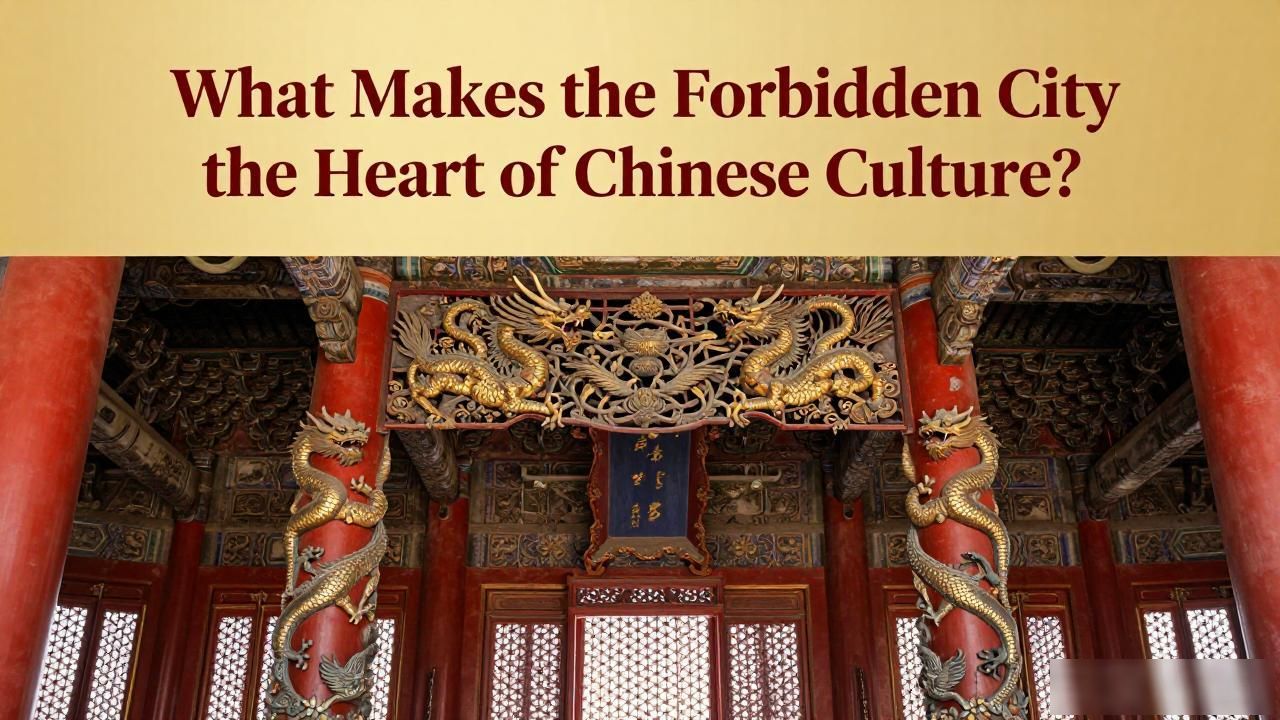
Inside the halls, intricate carvings of dragons and phoenixes adorn every surface. The dragon, a mythical creature with the body of a serpent and the claws of an eagle, represents the emperor’s strength and wisdom. The phoenix symbolizes grace and the empress. These motifs are not mere decorations but profound statements about the moral character expected of the rulers. They illustrate how art and politics were intertwined, creating an environment where beauty served the state.
How does this site reflect traditional Chinese values?
The garden areas within the palace offer a stark contrast to the formal courtyards. Here, nature is sculpted to mimic the idealized landscapes of poetry and painting. Rocks are arranged to suggest mountains, and ponds reflect the sky, creating a microcosm of the natural world. This space allowed the imperial family to escape the rigidity of court life and connect with the Daoist ideal of flowing with the Tao. It shows a side of Chinese culture that values flexibility and spiritual retreat alongside strict duty.
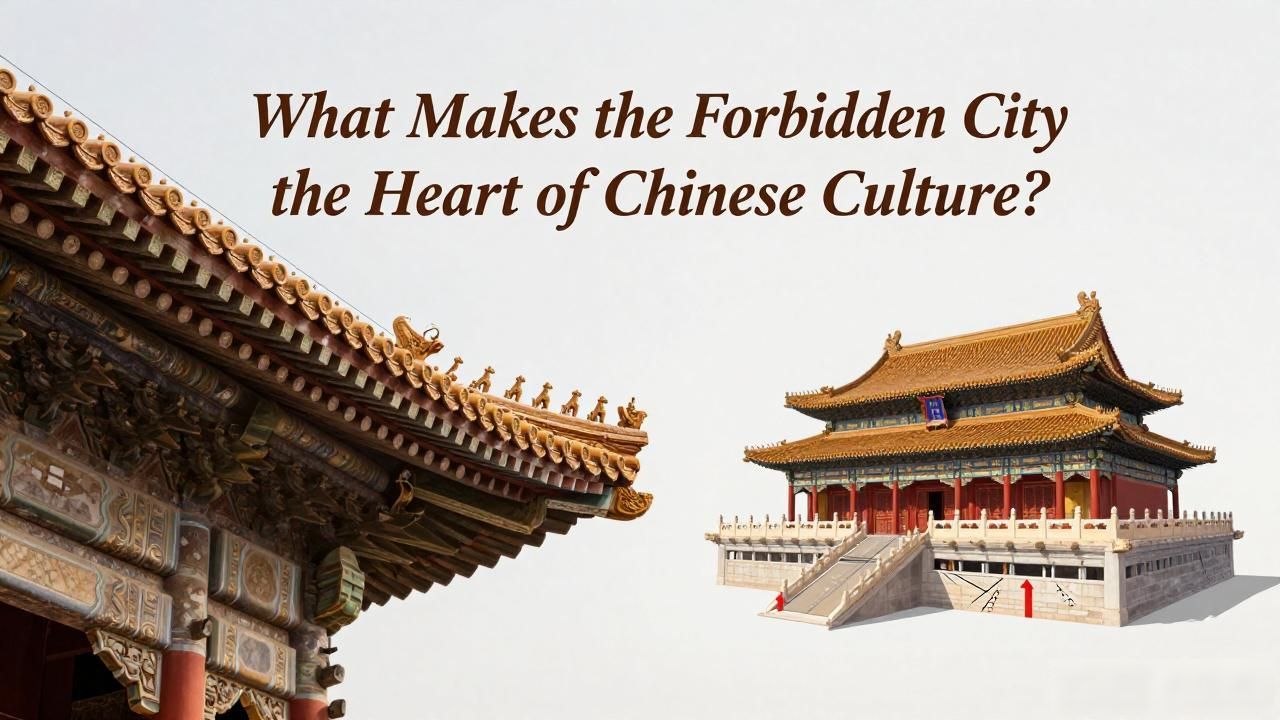
Craftsmanship in the Forbidden City is unparalleled. The joinery techniques used in wooden structures allow buildings to withstand earthquakes without nails. This ingenuity highlights a cultural emphasis on resilience and harmony with natural forces. Traditional Chinese architecture prioritizes longevity and adaptability, ensuring that these structures survive not just wars but time itself. The preservation efforts today mirror this historical respect for enduring quality.
For modern observers, the Forbidden City stands as a testament to China’s rich historical narrative. It challenges viewers to look beyond the surface grandeur and understand the philosophical underpinnings of Chinese society. By exploring its halls and gardens,one gains insight into the mindset of a civilization that valued order, nature, and artistic excellence equally. This deep connection between place and identity makes the site essential for anyone seeking to grasp the essence of Chinese culture.