
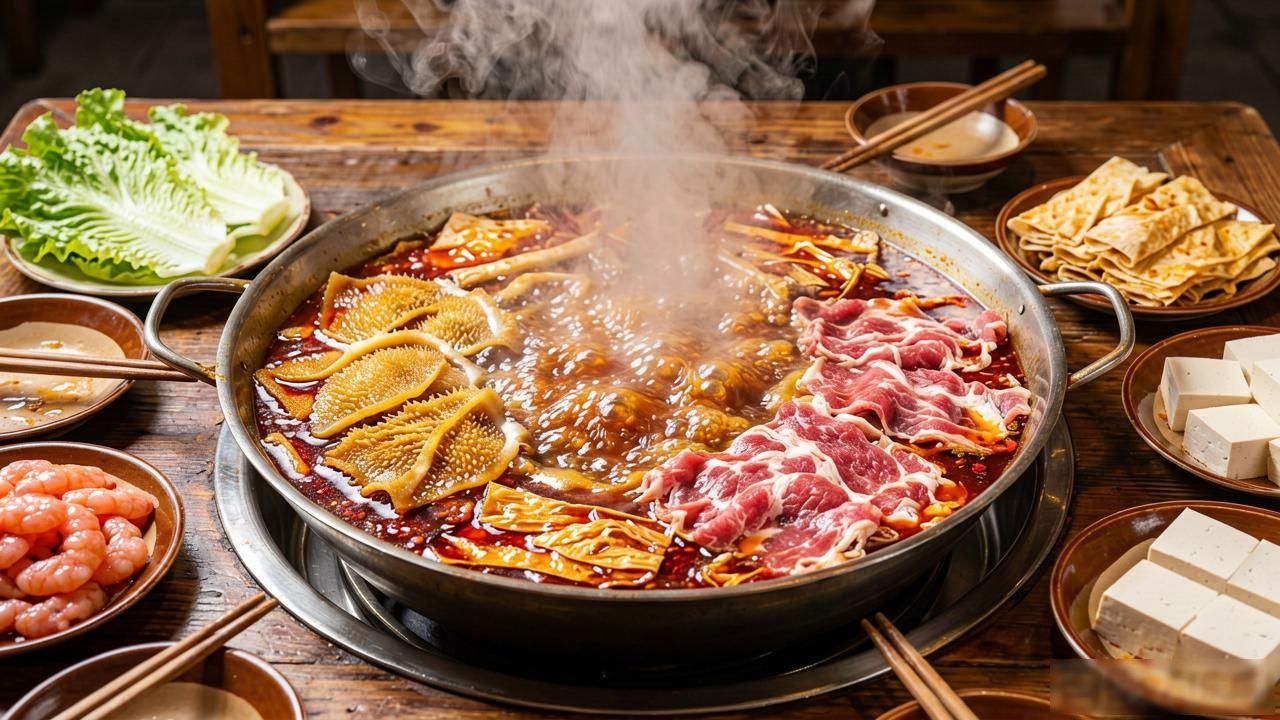
When people think of Chinese hot pot, the first thing that comes to mind is often the bubbling broth and the shared experience of cooking at the table. Traditional hot pot flavors are the soul of this meal. They are not just about heat or spice; they reflect centuries of regional cooking, local ingredients, and cultural habits. The broth is everything. It sets the tone for what you dip, how you dip, and why you keep coming back for more.
What is the most classic Sichuan hot pot flavor
Sichuan hot pot is famous worldwide, and for good reason. The classic flavor is called “mala,” which literally means numbing and spicy. The broth is made with beef tallow, dried chilies, Sichuan peppercorns, and a complex mix of spices like star anise, cardamom, and cinnamon. The beef tallow gives it a rich, heavy texture that coats every piece of meat you cook. The Sichuan peppercorns create a tingling sensation on your tongue that many describe as addictive.

This flavor works best with ingredients like tripe, beef slices, and tofu skin. Locals will tell you that the broth gets better as you cook more ingredients in it. The oil absorbs flavors from the meat and vegetables, making each serving richer than the last. If you are new to this, start with a mild version. You can always add more spice.
How does the mild broth taste different from the spicy one
Not everyone wants heat, and traditional hot pot culture respects that. The mild broth is often called “qingshui” or clear broth. It is usually made with pork bones, chicken, ginger, and goji berries. Sometimes mushrooms or tomatoes are added for extra sweetness. The goal here is not to overwhelm your taste buds but to let the natural flavors of the ingredients shine.
This broth is perfect for seafood, leafy greens, and dumplings. People who prefer this style usually dip their food in light sauces like sesame paste or garlic oil. The mild broth also works well for those who want to enjoy a long meal without burning their mouth. Many hot pot restaurants offer a split pot so you can try both flavors at once.
Why do people dip food in raw egg before cooking
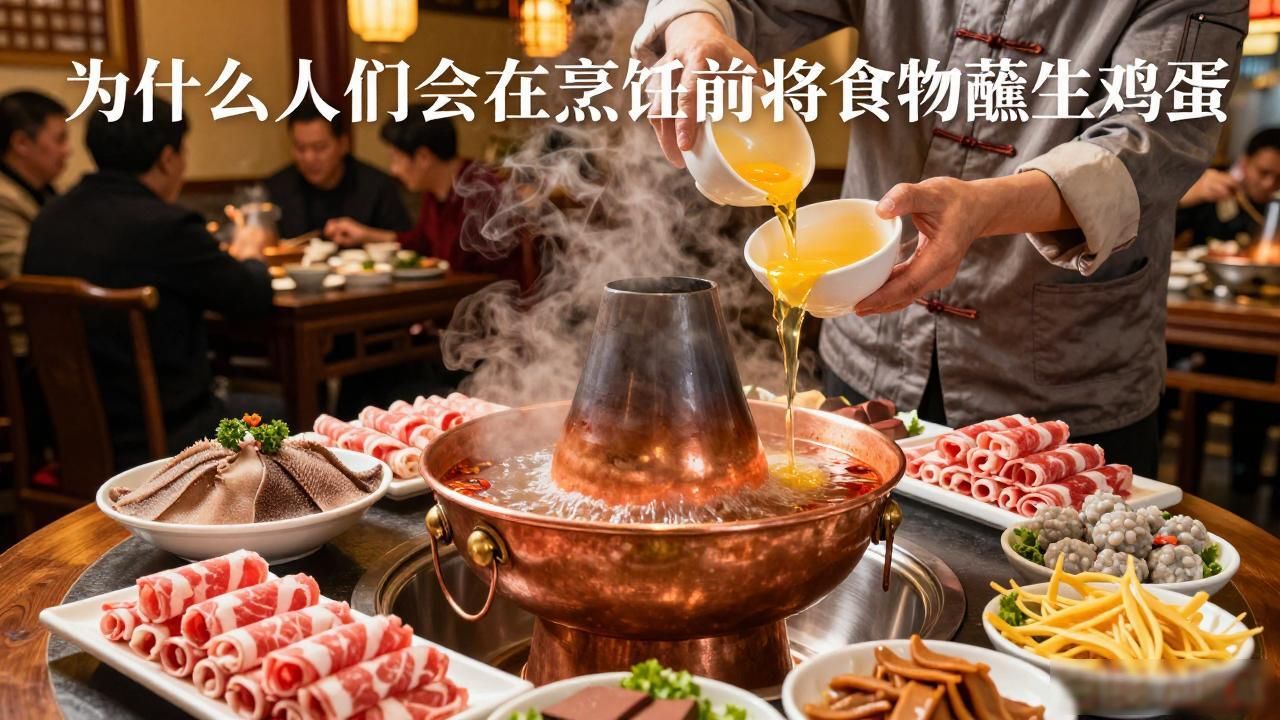
This might sound strange at first, but it is a traditional trick used in some regions. Before putting beef or chicken into the boiling broth, people dip it in a bowl of raw egg. The egg white creates a thin coating that locks in moisture. When the meat cooks, it stays tender and juicy on the inside.
This method is especially popular with thinly sliced beef. The egg also adds a subtle richness that blends well with both spicy and mild broths. Some people even add a little soy sauce or vinegar to the egg for extra flavor. It is a small step that makes a big difference in texture.
What kind of dipping sauce goes with traditional flavors
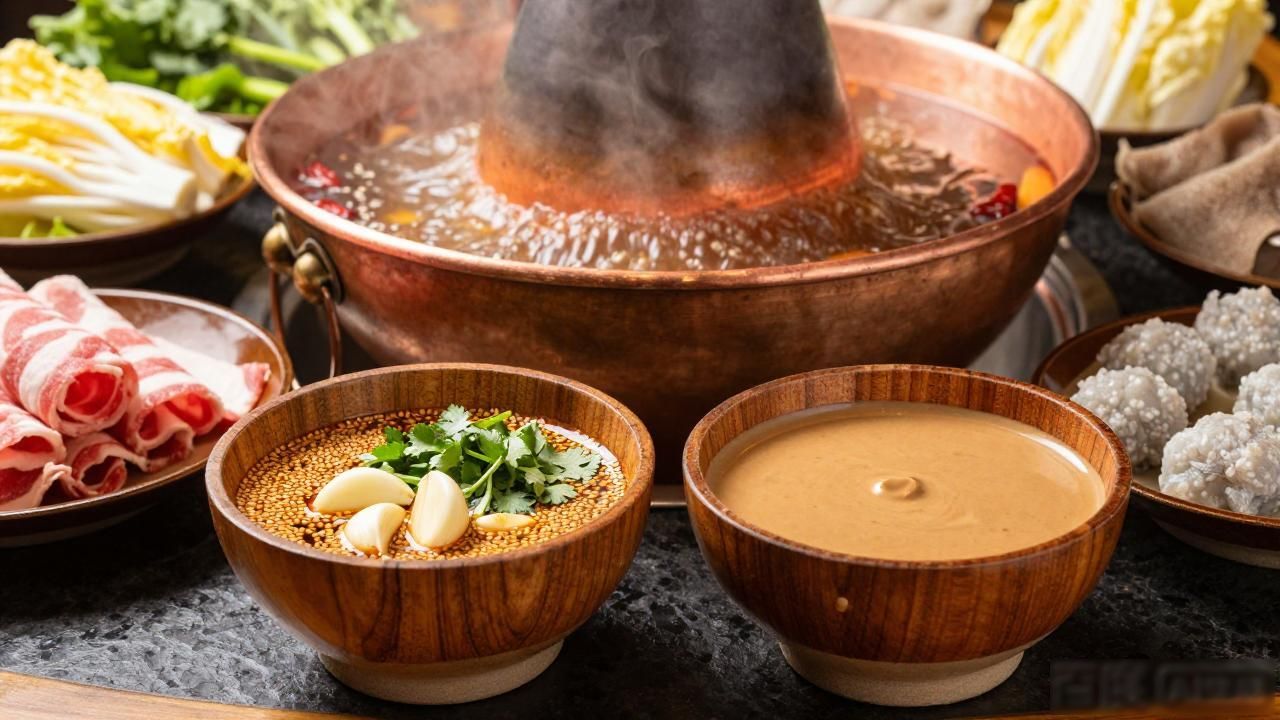
Dipping sauce is not an afterthought in traditional hot pot. It is a crucial part of the experience. For spicy broths, a simple mix of sesame oil, garlic, and cilantro works best. The oil cools down the heat while the garlic adds punch. For mild broths, a thicker sauce made from ground sesame paste, fermented tofu, and chopped scallions is more common.
Some regions also use a vinegar-based sauce with fresh chili and ginger. This cuts through the richness of the broth and refreshes your palate. You can mix your own sauce at the table, and most restaurants provide a sauce bar with plenty of options. The key is to match the sauce to the broth and the ingredients you are cooking.
Traditional hot pot flavors are not complicated once you understand the logic behind them. The broth is the foundation,the ingredients are the building blocks, and the sauce is the finishing touch. Whether you like it spicy or mild, there is a traditional flavor that will make you appreciate this meal on a deeper level. The beauty of hot pot is that it adapts to you, not the other way around.