

When most people think of Chinese cuisine, they picture takeout boxes, fortune cookies, and sweet orange chicken. That version of Chinese food exists, but it barely scratches the surface. Real Chinese cuisine is one of the most complex, regional, and ingredient-driven cooking traditions on the planet. It is not one style but eight major culinary schools, each with its own history, climate, and flavor logic. Understanding that distinction changes how you eat, cook, and appreciate every single dish that comes to your table.
Why Chinese cuisine varies so much by region

Geography drives everything in Chinese cooking. The north relies on wheat because the climate is dry and cold, so noodles, dumplings, and steamed buns dominate. The south, with its humid heat and abundant rainfall, grows rice and produces some of the boldest flavors in the world. Sichuan punches you with numbing Sichuan peppercorns because the region’s humidity historically made people crave heat and spice to stimulate appetite. Cantonese cooking, near the coast, favors freshness and light seasoning because seafood and produce are available year-round.
Take mapo tofu, for example. A Sichuan cook will use fermented broad bean paste,chili oil, and Sichuan peppercorns to create a sauce that is simultaneously spicy, salty, and tingly. The same dish in Shanghai will be sweeter and less aggressive. That is not a mistake. That is regional identity. Every province has its own soy sauce, vinegar, pickled vegetables, and cooking fats, and those small differences add up to completely different meals.

What foreigners get wrong about Chinese food
The biggest misconception is that Chinese cuisine is greasy, heavy, or all about deep-frying. In reality, steaming, blanching, and quick stir-frying over high heat are far more common in everyday home cooking. A proper Cantonese steamed fish is delicate, clean, and barely seasoned, relying on ginger, scallion, and a splash of light soy sauce. A bowl of hand-pulled noodles in Lanzhou is served in a clear beef broth that has simmered for hours, with nothing more than radish, chili flakes, and cilantro. These dishes are light, healthy, and precise.
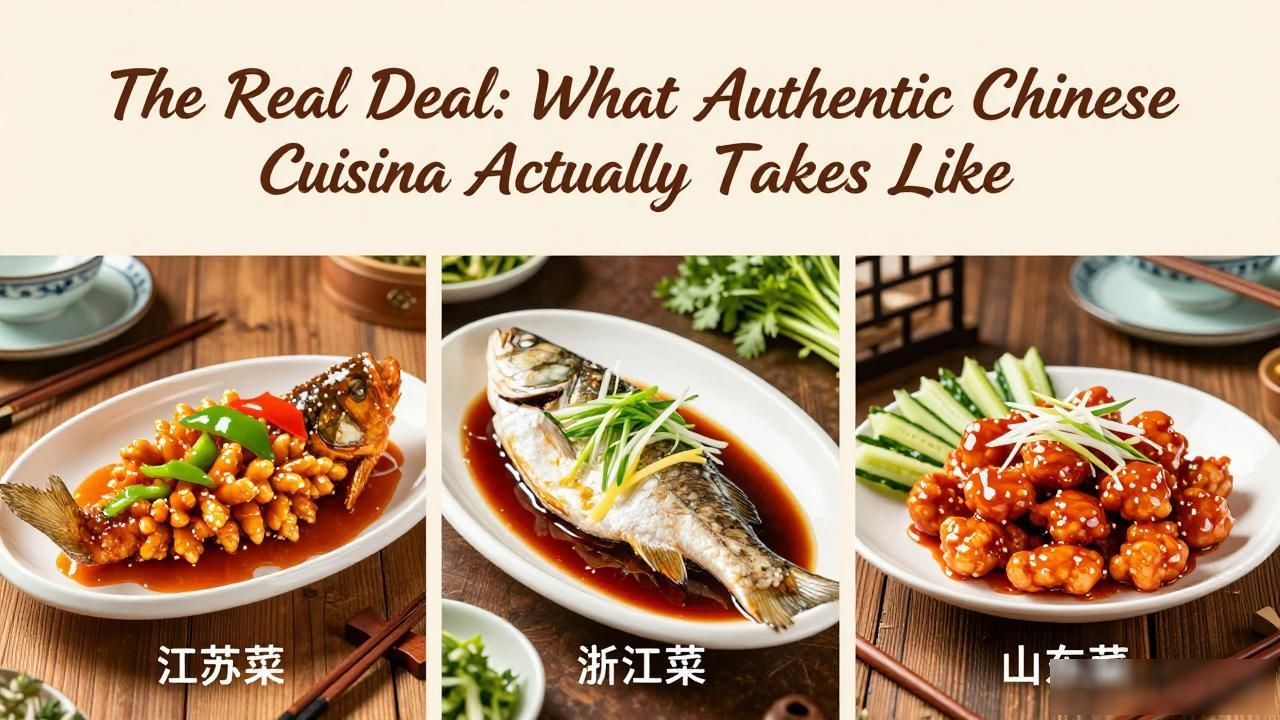
Another myth is that all Chinese food is spicy. That is simply not true. Jiangsu cuisine is known for its refined, slightly sweet flavors and knife work. Zhejiang dishes are fresh and mild. Shandong cuisine, one of the oldest styles, focuses on savory, salty flavors and braising techniques. Spice is a regional preference, not a national one. If you eat at a family-run restaurant in China and let the owner order for you, you will quickly realize that the food is far more varied, subtle, and balanced than anything you have experienced from a delivery menu.
The truth is that Chinese cuisine rewards patience and curiosity. Every dish has a reason for being made the way it is, from the cut of the vegetable to the order in which ingredients hit the wok. Once you start paying attention to those details, you will never look at a takeout container the same way again.